
Seeley International LCQ-Series Evaporative Cooler User Manual
Content
Seeley International LCQ-Series Evaporative Cooler: Product Manual and Buyer Guide
Introduction
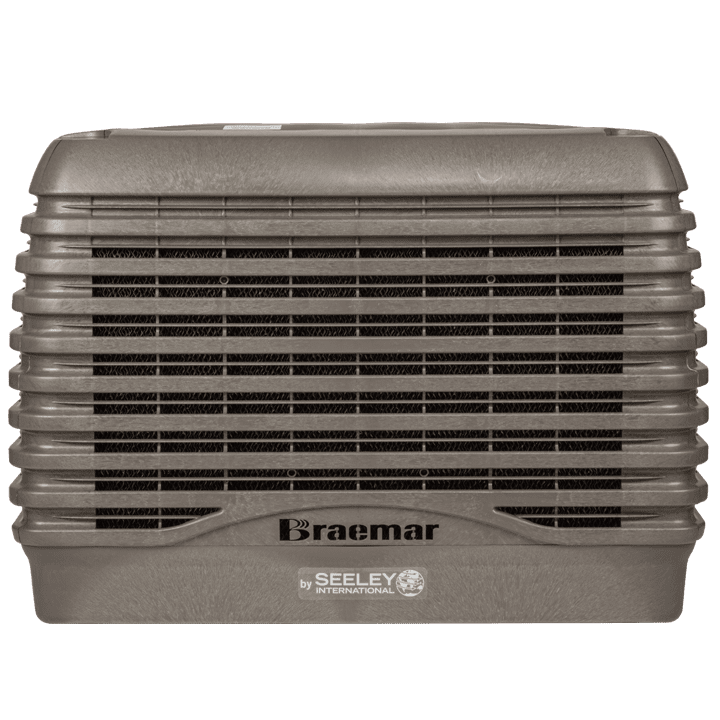
The Seeley International LCQ-Series Evaporative Cooler is a whole-house, ducted evaporative cooling solution designed for dry and hot climates where fresh-air cooling delivers strong comfort at lower running costs than many refrigerated systems. The LCQ range is commonly associated with Braemar Paradigm LCQ models and is built for homeowners who want efficient cooling, simple operation, and a system that pushes large volumes of air through the house while using comparatively low electrical power. The result is a practical option for larger homes, open-plan layouts, and family properties that need broad air distribution rather than room-by-room cooling.
The main appeal of the Seeley International LCQ-Series Evaporative Cooler is its balance of airflow, cooling capacity, and compact rooftop design. With models such as the LCQ350, LCQ450, and LCQ550, buyers can choose a unit sized to their home and climate needs. Typical use cases include suburban houses, new builds, and replacement installations where natural-feeling cooling and ventilation are preferred. Compared with many standard refrigerated systems, evaporative cooling can feel fresher because it continuously introduces outside air into the home.
Estimated pricing for the LCQ range generally starts around AUD $2,200 and can rise to roughly AUD $2,500 or more depending on model, supplier, installation complexity, and accessory packages. Availability is strongest through Australian HVAC retailers, installers, and authorized distributors, with stock varying by region and season. For shoppers comparing evaporative air conditioner options, this series is often positioned as a value-focused choice with solid performance for hot, dry weather.
Specifications for Seeley International LCQ-Series Evaporative Cooler
- Models: LCQ350, LCQ450, LCQ550
- Cooling capacity: 10.2 kW, 13.2 kW, and 14.1 kW respectively
- Airflow: 1,980 L/s, 2,560 L/s, and 2,810 L/s
- Nominal motor power: 430 W, 600 W, and 950 W
- Dimensions: 1,150 mm wide and 1,150 mm deep across the range
- Height: 685 mm on the LCQ350; 835 mm on the LCQ450 and LCQ550
- Operating weight: 80 kg, 89 kg, and 91 kg
- Performance profile: Designed for high-volume air movement and effective cooling in hot, dry conditions
- Best use: Medium to large homes needing ducted whole-home cooling
- Comparison: Compared with smaller evaporative coolers, the LCQ-Series offers stronger airflow and higher cooling capacity; compared with premium inverter-style systems, it is usually simpler and more cost-efficient to run but less suited to humid climates
The LCQ range stands out in the evaporative cooler category because the larger models deliver strong airflow without a dramatic increase in footprint. The LCQ550, for example, is well suited to larger properties needing higher capacity, while the LCQ350 is better for moderate-sized homes. In practical terms, the series competes with other ducted evaporative cooling systems by offering a straightforward design, strong ventilation, and a good balance between capacity and power usage.
Pros and Cons of the Seeley International LCQ-Series Evaporative Cooler
Pros
- High airflow performance: The LCQ-Series moves a large volume of air, helping cool open spaces and multi-room layouts effectively.
- Lower power use than many refrigerated systems: Models such as the LCQ350 and LCQ450 use relatively modest motor power for whole-home cooling.
- Fresh-air comfort: Evaporative cooling continuously brings in outside air, which many users find more natural and breathable.
- Good value for larger homes: For homeowners in dry climates, the running cost savings can make the system attractive over time.
- Practical size: The rooftop unit is compact relative to its output, making it easier to integrate into ducted setups.
Cons
- Climate limitations: Performance drops in humid weather, so it is not ideal for all regions.
- Requires maintenance: Pads, water systems, and general servicing are necessary to keep the cooler performing well.
- Less precise than refrigerated air conditioning: It cools the whole home with fresh air, but does not offer the same temperature control as a reverse-cycle system.
- Installation-dependent results: Performance depends heavily on duct design, home layout, and correct sizing.
- Value for money varies by use case: It is excellent for dry-climate households, but less compelling where humidity is high or year-round cooling flexibility is needed.
For buyers comparing evaporative air conditioner alternatives, the LCQ-Series is strongest when low running cost, fresh airflow, and whole-home coverage matter most. If humidity control and precise temperature management are priorities, a refrigerated ducted system may be the better choice.
Customer Reviews and User Feedback
User feedback for the Seeley International LCQ-Series Evaporative Cooler is generally positive, with many owners praising its strong cooling performance on very hot days and its low operating cost. A common satisfaction point is that the home feels fresher than with closed-loop refrigerated cooling, especially in open-plan spaces.
- Average rating: Around 4 out of 5 stars for popular LCQ models, based on broad customer sentiment
- Praise: “Cools the house well even in extreme heat” and “uses very little power compared with my old system” are common themes
- Complaints: Some users mention limited performance in humid weather and the need for regular maintenance
- Frequently mentioned issue: Water pads, filters, and seasonal servicing can affect long-term performance if neglected
- Purchase recommendation: Best for homeowners in hot, dry climates who want whole-home evaporative cooling at a reasonable price
Overall, the seeley international LCQ-Series Evaporative Cooler earns strong marks for comfort, airflow, and efficiency in the right climate. Buyers who value simple operation and lower running costs typically view it as a smart long-term investment.
Faqs
How do I set up the seeley international LCQ-Series Evaporative Cooler for the first time?
Why is my seeley international LCQ-Series Evaporative Cooler blowing air but not cooling effectively?
What water quality is best for the seeley international LCQ-Series Evaporative Cooler, and how does it affect performance?
How do I troubleshoot weak airflow or uneven cooling in the seeley international LCQ-Series Evaporative Cooler?
What features should I use to get the best performance from the seeley international LCQ-Series Evaporative Cooler?
How often should I clean and maintain the seeley international LCQ-Series Evaporative Cooler?
Can the seeley international LCQ-Series Evaporative Cooler work in humid climates or closed rooms?
What should I check if the seeley international LCQ-Series Evaporative Cooler is making unusual noise or smells?
More seeley international manuals
- Installation: Seeley International MagIQtouch Controller Instruction Manual
- Installation: Seeley International MagIQtouch BMS Industrial Controller M1 User Manual
- Setup: Seeley International Evaporative Cooler LCQ Owner Manual
- Seeley International MDHVD1S Series Multi Bulk-Head Ducted Inverter System User Manual
- Seeley International Evaporative Coolers XTR User Manual
Leave a Comment