
State Water Heaters GPVH-Series Residential Gas Water Heater User Manual
Content
State Water Heaters GPVH-Series Residential Gas Water Heater: Complete Product Manual
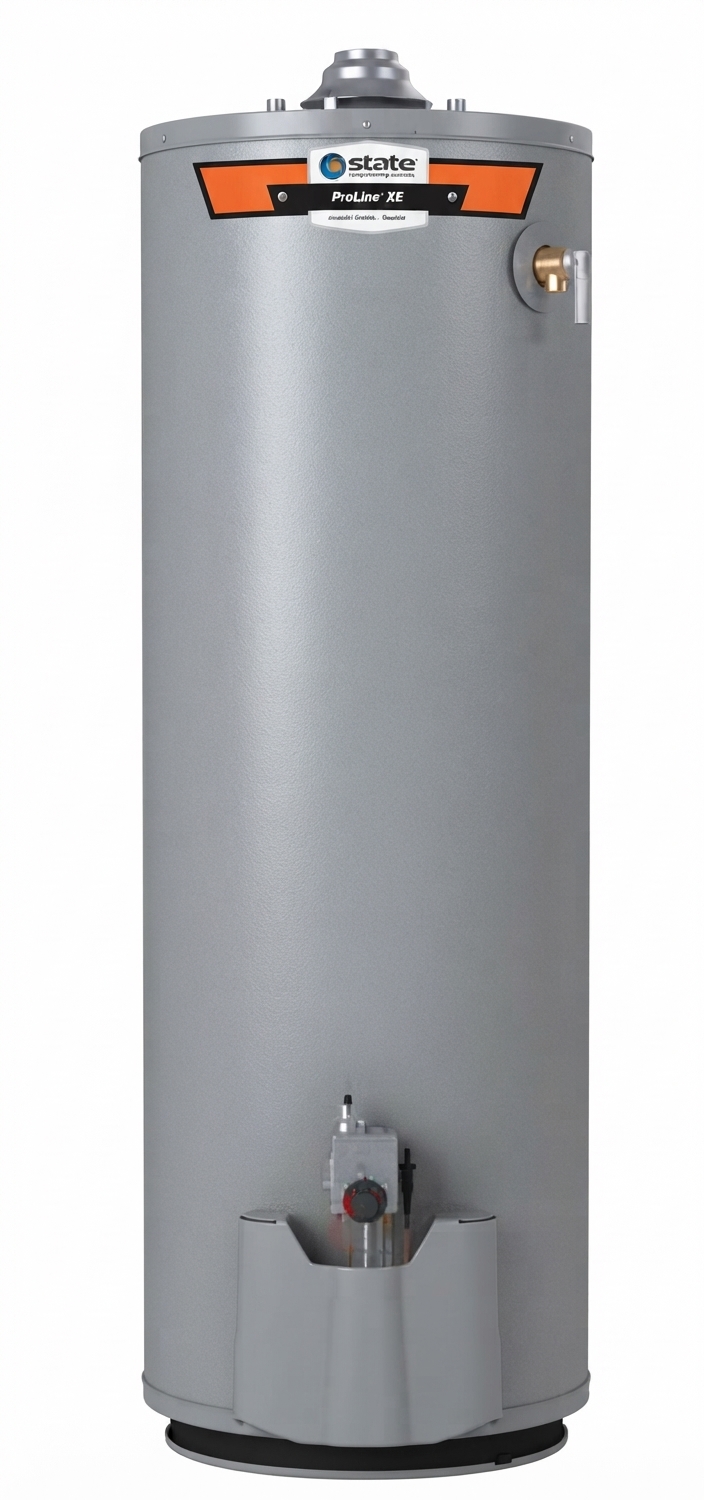
The state water heaters GPVH-Series Residential Gas Water Heater is a dependable high-efficiency gas storage water heater designed for homeowners who want consistent hot water, straightforward installation, and long-term value. Built for residential use, the GPVH-Series is known for its FVIR-style safety design, advanced electronic controls, and compatibility with common venting configurations, making it a practical choice for replacement projects and new installations alike.
This series is especially well suited for single-family homes, rental properties, and households that need reliable hot water for showers, laundry, and dishwashing without moving to a tankless system. Available in common 40-gallon and 50-gallon capacities, the GPVH-Series balances recovery performance with efficient fuel use. It also includes features such as a silicon nitride hot surface ignitor, no standing pilot, and diagnostic-friendly controls that simplify everyday ownership.
For buyers comparing residential gas water heaters, the GPVH-Series stands out for offering strong performance at a midrange price point. Estimated pricing typically falls between $900 and $1,600 depending on tank size, fuel type, and local installation costs. Availability is generally strong through plumbing distributors, professional installers, and online retailers, though exact stock varies by region. For homeowners searching for a reliable gas water heater manual and a product that is easy to service, the state water heaters GPVH-Series Residential Gas Water Heater remains a solid, popular option.
Specifications for the GPVH-Series Residential Gas Water Heater
- Type: Residential gas storage water heater
- Available capacities: Commonly 40-gallon and 50-gallon models
- Fuel options: Natural gas and liquid propane variants
- Input rating: 40,000 BTU on many GPVH models
- Venting: PVC, CPVC, or ABS venting on supported models
- Vent size compatibility: 2-inch, 3-inch, or 4-inch Schedule 40 pipe depending on installation requirements
- Ignition system: Silicon nitride hot surface ignitor with no standing pilot
- Safety system: Flammable vapor ignition-resistant design
- Water connections: 3/4-inch male connections on most models
- Warranty: Commonly 6-year limited tank and parts coverage, depending on model and region
- Performance: Strong first-hour delivery and practical recovery for everyday household demand
- Controls: Electronic diagnostics for easier troubleshooting and temperature management
Compared with standard-efficiency gas tank water heaters, the GPVH-Series offers more advanced safety and control features while remaining simpler and more affordable than many high-end condensing models. It is a strong middle-ground choice for homeowners who want dependable hot water without the higher installation complexity of a tankless system.
How to Set Up the State Water Heaters GPVH-Series Residential Gas Water Heater
Installation should be completed by a licensed professional because gas, venting, and water connections must meet local code requirements. Before setup, verify the model, fuel type, venting path, and required clearance around the unit. Always place the heater on a level surface in a well-ventilated area and keep it away from flammable materials.
- Step 1: Turn off the gas supply, water supply, and power if replacing an old unit.
- Step 2: Position the tank and confirm that drain access and vent routing are clear.
- Step 3: Connect cold-water inlet and hot-water outlet lines using approved fittings.
- Step 4: Install the gas line and pressure test all joints for leaks.
- Step 5: Connect vent piping using the approved pipe type and length limits for the model.
- Step 6: Fill the tank fully before lighting the burner.
- Step 7: Set the temperature control to the desired level, typically around 120°F for residential use.
- Step 8: Follow the manufacturer ignition sequence and verify proper burner operation.
Configuration options may include temperature setting adjustments and vent layout variations depending on the installation site. If the unit does not ignite, confirm that the tank is full, gas supply is open, and the vent is unobstructed. Never operate the water heater with a dry tank, and never attempt gas line repairs without proper qualifications.
Troubleshooting Common GPVH-Series Water Heater Problems
If the water heater is not producing hot water, first confirm that the gas supply is on, the pilotless ignition system has power where required, and the thermostat setting is correct. A lack of hot water can also result from improper venting, a tripped safety device, or sediment buildup in the tank.
- Problem: No hot water. Solution: Check gas supply, ignition status, and thermostat setting.
- Problem: Water is not hot enough. Solution: Increase temperature slightly and inspect for sediment buildup.
- Problem: Burner will not light. Solution: Verify tank filling, gas pressure, and vent clearance.
- Problem: Unusual noise. Solution: Flush the tank to reduce mineral deposits.
- Problem: Smell of gas. Solution: Shut off the gas immediately, ventilate the area, and contact a qualified technician.
Many diagnostic issues on electronic gas water heaters are linked to ignition lockout, airflow restriction, or flame-sensing problems. If an error code appears on the control system, consult the model-specific manual because codes can vary by version. Regular maintenance such as annual flushing, leak inspection, and vent checks helps prevent most service calls. Warranty coverage is commonly available through a limited tank and parts plan, and support is typically handled through the manufacturer’s customer service, local installers, or an authorized dealer.
For assistance, homeowners can use State Water Heaters’ support resources, product literature library, or contact their dealer and installer for model-specific service help.
Pros and Cons of the GPVH-Series Residential Gas Water Heater
Pros
- Reliable hot water output for everyday family use
- Available in practical 40-gallon and 50-gallon sizes
- No standing pilot, which improves convenience and efficiency
- Easy-to-understand diagnostics for service professionals
- Compatible with common venting materials on supported models
- Good value for money compared with premium high-efficiency systems
- Well suited to replacement installations in standard homes
Cons
- Not as compact as a tankless water heater
- Requires professional installation and vent compliance
- Recovery and efficiency may not match the best condensing models
- Some households may want larger capacity for heavy simultaneous demand
- Installation costs can vary depending on venting and gas line work
Compared with tankless alternatives, the state water heaters GPVH-Series Residential Gas Water Heater is easier to understand and often cheaper to install. Compared with basic standard-efficiency tanks, it adds more advanced safety and electronic features, making it a balanced choice for homeowners who want long service life without paying premium pricing.
Customer Reviews and Real-World Feedback on the GPVH-Series
Many owners rate the GPVH-Series highly for dependable daily performance, with an average impression around 4.4 out of 5 stars. Customers frequently praise the consistent hot water supply, straightforward operation, and quiet burner performance. One common testimonial is that it “just works like it should” and provides steady hot water for a medium-sized family.
Common complaints include installation cost, the need for professional servicing, and occasional temperature recovery limits when several fixtures run at once. Some users also mention that venting and replacement setup can be more involved than expected. Even so, the most frequent recommendation is clear: the GPVH-Series is a strong buy for homeowners replacing an older gas tank water heater and wanting a dependable, midrange solution.
If you want a residential gas water heater with practical features, strong brand support, and solid long-term value, the state water heaters GPVH-Series Residential Gas Water Heater is worth considering.
Faqs
How do I set up the state water heaters GPVH-Series Residential Gas Water Heater for the first time?
What venting requirements should I check before installing a state water heaters GPVH-Series Residential Gas Water Heater?
Why is my state water heaters GPVH-Series Residential Gas Water Heater not heating water fast enough?
What should I do if the state water heaters GPVH-Series Residential Gas Water Heater keeps shutting off?
Can the state water heaters GPVH-Series Residential Gas Water Heater run on natural gas or propane?
What water temperature setting is best for a state water heaters GPVH-Series Residential Gas Water Heater?
How often should I maintain a state water heaters GPVH-Series Residential Gas Water Heater?
What are the most common signs that a state water heaters GPVH-Series Residential Gas Water Heater needs repair?
More state water heaters manuals
- State Water Heaters EN6-40-DOMS Electric Water Heater User Manual
- State Water Heaters GS6-50-UODT-L-100 Direct Vent Gas Water Heater User Manual
- State Water Heaters EN6-40-DMHS-100 Electric Water Heater User Manual
- State Water Heaters Ultra Force Gas Water Heater SUF-60-120 User Manual
- State Water Heaters GS6-75-YRVHTL-310 Power Vented Gas Water Heater User Manual
- State Water Heaters Premier Electric Water Heater HP6-80-DHPT User Manual
Leave a Comment