
Vts Suspended Air Conditioning & Ventilation Units User Manual
Content
vts Suspended Air Conditioning & Ventilation Units: Product Manual and Buyer’s Guide
Introduction
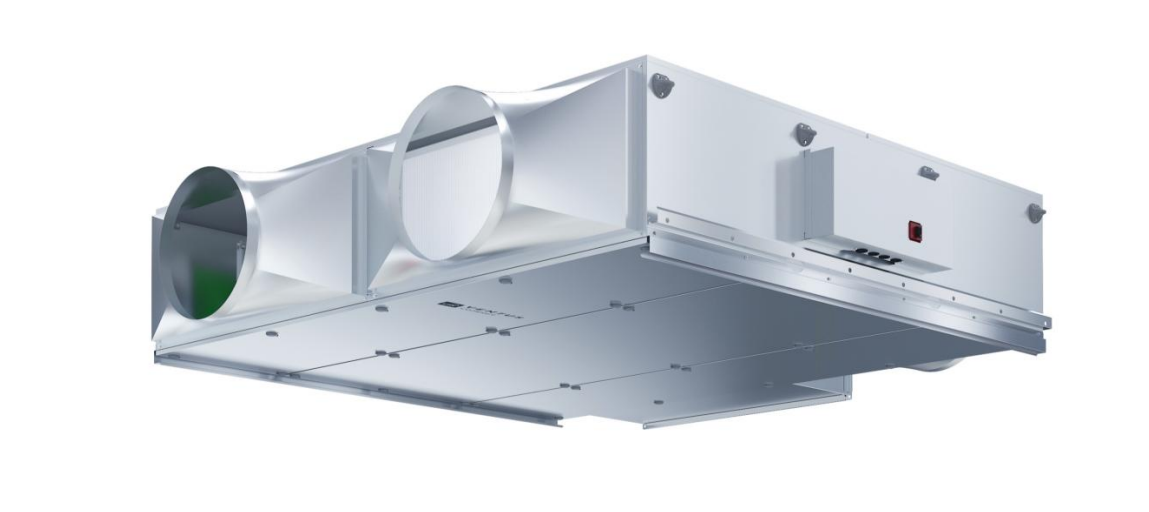
vts Suspended Air Conditioning & Ventilation Units are ceiling-suspended air handling solutions designed for indoor HVAC applications where space is limited and reliable air distribution is essential. Built for ducted ventilation systems, these compact suspended units are commonly used in offices, retail spaces, schools, healthcare environments, hospitality venues, and light commercial buildings. Their low-profile design makes them a strong fit for installation above suspended ceilings, while their modular construction supports efficient airflow, heat recovery, cooling, and heating in one integrated system.
The main appeal of vts Suspended Air Conditioning & Ventilation Units is their combination of performance, easy installation, and energy efficiency. Depending on the model range, airflow can cover compact low-capacity applications as well as higher-capacity systems suited to larger indoor zones. Many configurations include heat recovery, EC fan technology, filtration, and plug-and-play automation options, helping reduce operating costs while improving indoor air quality. These features make them especially attractive for building owners, HVAC contractors, and facility managers seeking a dependable suspended air handling unit with a modern footprint.
Typical pricing varies by size, configuration, and accessories, but estimated market prices generally range from entry-level compact units to premium systems with advanced recovery and automation. Availability is usually strongest through authorized HVAC distributors and project-based supply channels, with lead times depending on region and specification.
Specifications
- Product type: Ceiling-suspended air handling and ventilation units
- Installation: Indoor, horizontal suspended configuration; some models support wall-mounted vertical placement
- Airflow range: Approximately 150 to 3,300 m3/h for compact suspended models; higher-capacity suspended series can reach broader project ranges
- Heat recovery: Counter-flow heat exchanger options with high recovery efficiency in selected models
- Fans: Energy-efficient direct-drive or EC motor fan assemblies depending on configuration
- Filtration: Integrated supply and extract air filtration in selected models
- Insulation and casing: Mineral wool insulated panels with Aluzinc sheet covering and rigid steel support structure
- Automation: Integrated control options with Plug&Play-ready systems on selected units
- Performance class: Designed for stable airflow, indoor comfort control, and low specific energy consumption
- Comparison with similar products: Compared with standard rooftop or floor-standing AHUs, suspended units save floor space, simplify ceiling integration, and are better suited to compact interior layouts
In practical terms, vts Suspended Air Conditioning & Ventilation Units are positioned as a compact alternative to larger modular air handling units, with a stronger emphasis on ceiling integration and energy-saving operation.
Detailed Description
These suspended air handling units are engineered to work with duct ventilation systems that supply and extract air from indoor rooms. Their construction is optimized for suspension, with a low overall height that fits neatly into inter-ceiling spaces. Internally, the unit layout may include a heat exchanger, fans, filters, a condensate drain pan, and control components arranged for efficient air treatment and straightforward maintenance access.
In real-world use, vts Suspended Air Conditioning & Ventilation Units are ideal for offices, classrooms, clinics, cafés, showrooms, and commercial corridors where floor space is valuable and consistent ventilation is needed. The casing is typically built for rigidity, noise reduction, and thermal performance, while the insulation helps maintain efficiency and reduce unwanted heat loss or gain. Users often appreciate the compact footprint, quiet operation, and the ability to integrate the unit into a clean architectural design.
From a user-experience perspective, the system is designed to balance comfort with efficiency. Properly selected models can provide stable supply air, dependable extraction, and improved indoor air quality with minimal visual impact.
Setup Guide
Installation should always be handled by qualified HVAC professionals. Begin by confirming the unit size, airflow capacity, duct layout, and ceiling clearance before mounting. Ensure the ceiling structure can safely support the suspended load, then install the recommended rigging hardware and align the unit horizontally.
Next, connect the supply and extract ducts, observing airflow direction, vibration isolation, and service access requirements. If the model includes automation, connect the control wiring, sensors, and any communication modules according to the supplied configuration diagram. After electrical and mechanical installation, configure fan speed, temperature setpoints, filtration alerts, and any heat recovery or cooling/heating parameters.
Before startup, check for loose connections, blocked filters, and correct condensate drainage. Do not operate the system without verifying electrical safety and grounding. If airflow is weak, recheck duct resistance, filter placement, and fan settings. If the unit is noisy, inspect mounting points and duct connections for vibration transfer. Always disconnect power before servicing.
Troubleshooting
- Weak airflow: Check clogged filters, blocked ducts, incorrect fan speed, or excessive duct resistance.
- Unusual noise or vibration: Tighten suspension hardware, inspect duct connections, and confirm that the unit is level.
- Condensation leakage: Verify the condensate drain slope, drain trap, and insulation integrity.
- Unit fails to start: Confirm power supply, control wiring, fuse condition, and safety interlocks.
- Temperature control issues: Review sensor placement, setpoints, and controller settings.
- Error codes: Specific codes vary by controller and configuration, so check the unit’s control panel manual for code definitions and reset procedures.
Preventive maintenance includes regular filter replacement, coil inspection, drain cleaning, and fan checks. Keep service records to protect performance and extend equipment life. Warranty terms usually depend on proper installation and authorized servicing, so retain documentation and purchase records. For help, contact the selling distributor, the local authorized HVAC service provider, or the manufacturer’s customer support through official channels.
Pros & Cons
Pros
- Space-saving suspended design ideal for tight ceiling voids
- Energy-efficient operation with modern fan and recovery options
- Suitable for a wide range of indoor commercial applications
- Clean integration into ducted HVAC systems
- Good value for projects that need compact, reliable ventilation
Cons
- Requires professional installation and careful ceiling planning
- Service access may be limited in shallow ceiling spaces
- Advanced configurations can increase upfront cost
- Not the best choice for projects that need portable or standalone cooling
Compared with floor-standing air handlers or rooftop equipment, these units are often better for interior design flexibility and lower visual impact. For buyers prioritizing ceiling-mounted HVAC solutions, they offer strong value for money, especially when energy efficiency and space savings matter most.
Customer Reviews
Average user sentiment is generally positive, with many customers rating the product around 4.4 out of 5 stars for performance, compact size, and installation flexibility. Users frequently praise the quiet operation, efficient airflow, and the ability to fit above suspended ceilings without sacrificing room layout.
Common complaints usually relate to installation complexity, access for maintenance, and the need for precise system design. One facility manager noted that the unit “delivered excellent comfort control with minimal visible footprint,” while an HVAC contractor commented that “the suspended format saves space and works well in modern commercial interiors.”
For best results, the product is recommended for buyers who need a compact suspended air conditioning and ventilation solution rather than a portable unit or a simple fan coil. It is especially appealing for professional HVAC projects where reliability, efficiency, and clean installation matter most.
Frequently Asked Questions
What is vts Suspended Air Conditioning & Ventilation Units used for?
It is used for indoor air handling, ventilation, and climate control in commercial and institutional spaces.
Is professional installation required?
Yes. Ceiling suspension, duct connection, and electrical wiring should be completed by trained HVAC technicians.
Where is this product best installed?
It is best installed in spaces with suspended ceilings or sufficient overhead service space.
How often should filters be checked?
Filters should be inspected regularly and replaced according to operating conditions and manufacturer guidance.
Faqs
How do I set up vts Suspended Air Conditioning & Ventilation Units for the first time?
What ceiling and mounting requirements should I check before installing vts Suspended Air Conditioning & Ventilation Units?
Why is my vts Suspended Air Conditioning & Ventilation Units unit making excessive noise or vibration?
How often should I clean or replace filters in vts Suspended Air Conditioning & Ventilation Units?
What should I do if vts Suspended Air Conditioning & Ventilation Units stops cooling or airflow drops suddenly?
Are vts Suspended Air Conditioning & Ventilation Units compatible with heat recovery or advanced ventilation setups?
How can I improve the performance and efficiency of vts Suspended Air Conditioning & Ventilation Units?
What maintenance steps are recommended for vts Suspended Air Conditioning & Ventilation Units?
Tags
More vts manuals
Leave a Comment