
Alliance Dryer User Manual
Content
Alliance Dryer Product Manual
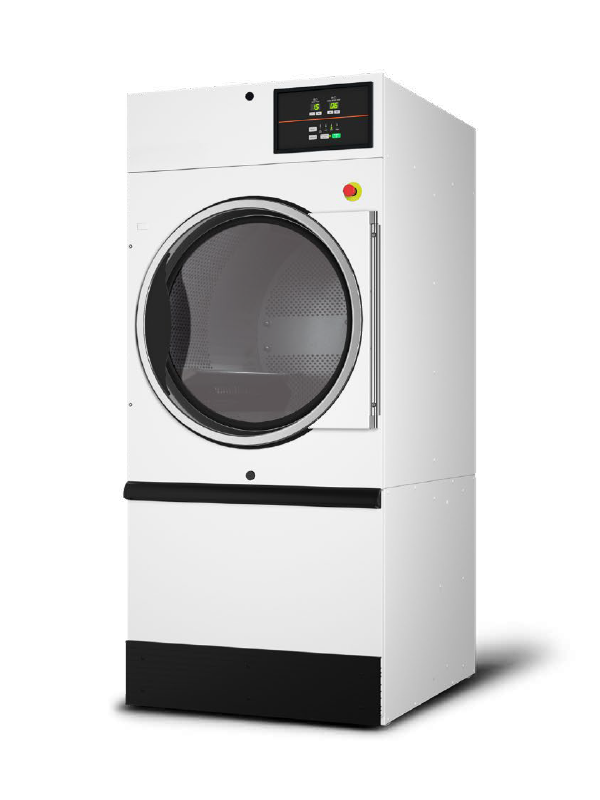
The alliance Dryer is a dependable laundry appliance designed for households and light commercial environments that need consistent drying performance, simple operation, and efficient fabric care. Known for its durable construction and practical feature set, this dryer is a strong choice for users who want reliable results without complicated controls. It is especially well suited for apartments, small businesses, rental properties, and family homes where repeated daily use is expected.
Key benefits include a compact footprint, flexible gas or electric configurations, strong airflow, and a large drum capacity that supports everyday laundry loads. The alliance Dryer is designed to handle mixed fabrics, towels, workwear, and bulkier garments while maintaining even heat distribution. Depending on the model, it offers features such as front-control operation, simple cycle selection, and energy-conscious drying performance. For users comparing dryer models, its combination of practical size and commercial-grade build quality makes it stand out from many standard residential units.
The estimated price range varies by model, configuration, and market, but most alliance Dryer units are typically positioned in the mid-range to upper-mid-range category, with availability through appliance dealers, laundry equipment distributors, and commercial parts suppliers. For buyers searching for a long-lasting clothes dryer with straightforward maintenance and strong everyday performance, the alliance Dryer remains a highly practical option.
Specifications
- Capacity: 18 lb to 20 lb depending on gas or electric model.
- Cylinder volume: Approximately 7.0 cu. ft. for standard home-style models.
- Dimensions: Roughly 26.875 in wide, 28 in deep, and 40.42 in high.
- Power consumption: Motor power around 0.33 hp for common configurations.
- Heat sources: Available in gas and electric versions for flexible installation.
- Electric heating element: Around 5350 W at 240 V on supported models.
- Gas input: Common gas inlet connection size is 3/8 in.
- Gas consumption: Approximately 22,500 BTU/hr on compatible units.
- Airflow: About 220 CFM exhaust airflow for effective moisture removal.
- Electrical requirements: Typical support for 120/240V, 60Hz, single-phase operation.
Compared with basic residential dryers, the alliance Dryer offers stronger build quality and more commercial-style performance. Compared with larger industrial dryers, it is more compact, easier to install, and better suited to standard homes or small laundry rooms.
Detailed Description
The alliance Dryer is built to deliver efficient drying through a combination of controlled heat, steady airflow, and a rotating drum that evenly tumbles fabrics. Warm air passes through the load, pulls moisture from the clothing, and exits through the exhaust system, helping reduce drying time and improve fabric consistency. This straightforward drying process makes the appliance easy to use while still producing dependable results.
In real-world use, the dryer performs well for everyday laundry cycles such as shirts, towels, bedding, jeans, and work uniforms. Its durable exterior and internal components are designed for repeated operation, which is one reason it appeals to both home users and light-duty commercial settings. The cabinet and drum are typically constructed with materials selected for stability, longevity, and resistance to wear from regular loading and unloading.
User experience is generally positive because the appliance prioritizes clear controls and reliable operation over unnecessary complexity. The alliance Dryer is a practical choice for users who want a no-nonsense clothes dryer with consistent performance, manageable maintenance, and a layout that is familiar to most operators.
Setup Guide
Before installation, confirm that the dryer matches your available utility connections, venting setup, and space requirements. Choose a level location with enough clearance around the unit for airflow, maintenance, and door movement. If you are installing a gas model, verify that the gas line, shutoff valve, and venting are suitable for the appliance rating. For electric versions, confirm voltage and circuit amperage before connecting power.
- Place the dryer on a level, stable surface.
- Connect the exhaust duct securely and keep it as straight as possible.
- For gas units, check all fittings for leaks before first use.
- For electric units, ensure the correct outlet and breaker size are installed.
- Set cycle options, load size, and heat level according to fabric type.
- Run an empty test cycle to confirm proper airflow and heat.
Safety precautions are essential during setup. Do not block the exhaust vent, use damaged cords, or operate the dryer without proper grounding. If the model includes any digital controls or connectivity features, follow the on-screen setup prompts and refer to the control panel labels for configuration. If drying performance seems weak during the first run, inspect the vent path, lint filter, and power or gas supply before further use.
Troubleshooting
Common dryer problems usually involve airflow, heat supply, or loading issues. If clothes are taking too long to dry, check the lint filter, exhaust hose, and vent termination for blockages. Weak heat can indicate a gas supply issue, a tripped breaker, a faulty heating element, or incorrect power delivery. Excessive noise may come from an unlevel cabinet, worn drum support parts, or loose items inside the drum.
- Problem: Dryer runs but does not heat. Fix: Check power, gas supply, and heating components.
- Problem: Long drying times. Fix: Clean lint screen and clear the vent system.
- Problem: Drum does not turn. Fix: Inspect the belt, motor, and door switch.
- Problem: Unusual vibration. Fix: Level the machine and redistribute the load.
- Problem: Error code on display. Fix: Check the user guide for the specific code and reset the machine if safe to do so.
Preventive maintenance includes cleaning the lint filter after every load, inspecting venting regularly, and keeping the area around the appliance free of dust buildup. For warranty support, contact the retailer, authorized service provider, or the manufacturer’s parts and service department. If professional help is needed, use the service contact information listed in the owner documentation or on the product label.
Pros & Cons
Pros
- Reliable drying performance for everyday loads.
- Available in gas and electric configurations.
- Compact enough for many home and small business spaces.
- Commercial-style durability improves long-term value.
- Straightforward controls make it easy to use.
Cons
- May cost more than basic entry-level residential dryers.
- Installation requirements can be more demanding for gas models.
- Some users may prefer more advanced smart features.
- Vent maintenance is necessary for peak performance.
For value for money, the alliance Dryer is strongest for buyers who want durability and consistent performance rather than a feature-heavy appliance. Compared with cheaper alternatives, it offers better long-term reliability. Compared with premium smart dryers, it is simpler but often easier to maintain.
Customer Reviews
Average customer sentiment is generally positive, with many users rating the dryer around 4 out of 5 stars for reliability and ease of use. Reviewers commonly praise the strong drying performance, sturdy build, and practical size. A frequent comment is that the machine feels solid and dependable for daily laundry.
Common complaints usually mention venting sensitivity, installation complexity for gas units, and the lack of advanced digital features found in newer premium models. One typical review says, “It dries fast, handles large loads well, and has been dependable from day one.” Another says, “Simple controls and solid performance make it a great purchase for a busy household.”
Purchase recommendation: choose the alliance Dryer if you want a durable, easy-to-operate clothes dryer with dependable results and strong long-term value. It is especially suitable for users who prioritize function, reliability, and low-maintenance operation over high-tech extras.
Faqs
How do I set up an alliance Dryer for the first time after delivery?
What should I check if my alliance Dryer is not starting?
Why is my alliance Dryer taking too long to dry clothes?
Which features should I use on an alliance Dryer to prevent over-drying?
Is my alliance Dryer compatible with a stacked laundry setup or tight laundry space?
How can I improve the performance of my alliance Dryer for faster drying?
How often should I clean and maintain an alliance Dryer?
What are common alliance Dryer problems and how do I troubleshoot them?
More alliance manuals
- Alliance MDC Topload Washer User Manual
- Alliance Non-Vended or Stack Washer & Dryer User Manual
- Alliance WE-6 Control Pocket Hardmount Washer-Extractor User Manual
- Alliance FLW1548C_SVG Frontload Washer User Manual
- Alliance Pocket Hardmount UniLinc Washer Extractor UW35TV User Manual
- Alliance SWD446C Stacked Washer and Dryer User Manual
Leave a Comment