
Alliance Non-Vended or Stack Washer & Dryer User Manual
Content
Alliance Non-Vented or Stack Washer & Dryer: Complete Product Manual
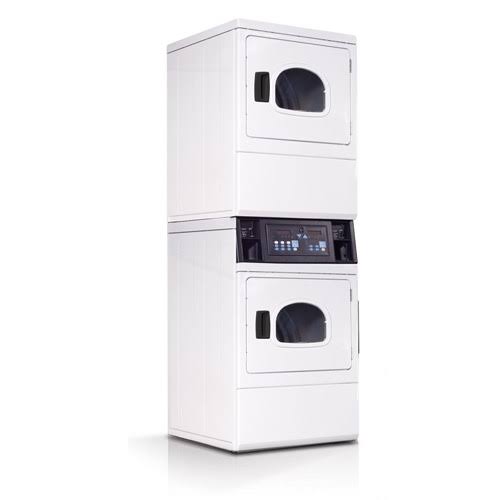
The Alliance Non-Vended or Stack Washer & Dryer is a space-saving commercial laundry solution designed for apartments, multi-housing properties, student housing, and other high-turnover environments. Built for dependable daily use, this stacked configuration combines a front-load washer and matching dryer in one compact footprint, helping operators maximize laundry capacity without expanding floor space. It is a strong choice for property managers, laundromats with unattended areas, hospitality facilities, and shared laundry rooms that need reliable performance and efficient operation.
One of the biggest benefits of the Alliance Non-Vented or Stack Washer & Dryer is its practical balance of capacity, energy efficiency, and durability. Typical models offer a washer capacity of about 21.5 lb and a dryer capacity of about 18 lb, with overall dimensions around 26 7/8 inches wide and 78 inches tall, making them ideal for tight installations. The stack design also helps streamline maintenance and improve usability in limited spaces. Depending on the configuration, users can choose electric or gas drying, which adds flexibility for different utility setups.
Estimated pricing varies by configuration, but most commercial stacked washer-dryer units in this class generally fall in the mid-range commercial equipment category, often starting around the lower thousands and increasing based on gas or electric options, controls, and installation requirements. Availability is typically through commercial laundry distributors, appliance dealers, and multi-housing equipment suppliers. For buyers comparing compact commercial laundry systems, this model offers a strong mix of performance, serviceability, and long-term value.
Specifications for Alliance Non-Vended or Stack Washer & Dryer
- Washer capacity: 21.5 lb (10 kg)
- Dryer capacity: 18 lb (8.2 kg)
- Washer cylinder volume: 3.42 cu. ft. (96.8 L)
- Dryer cylinder volume: 7.0 cu. ft. (198 L)
- Overall dimensions: approximately 26 7/8 in. W x 27 3/4 in. D x 78 3/16 in. H
- Spin speed: up to 440 G-force, roughly 1200 RPM extraction
- Water consumption: about 11.7 gallons per cycle
- Water factor: 3.7
- Modified energy factor: 3.7
- Washer motor power: 0.9 hp variable-speed induction
- Dryer motor power: 1/3 hp
- Electric heating input: 5.35 kW
- Gas heating input: 22,500 BTU/hr
- Exhaust airflow: 220 cfm
- Exhaust outlet diameter: 4 in. (102 mm)
Compared with many standard residential stacked units, the Alliance model is built for heavier daily use, stronger extraction performance, and commercial-grade durability. Compared with larger extractor-dryer systems, it offers a smaller footprint and simpler installation, making it better suited to multi-housing laundry rooms and compact facilities.
Detailed Description of the Stack Washer-Dryer System
The Alliance Non-Vended or Stack Washer & Dryer is designed as an integrated vertical laundry system with the washer positioned below the dryer. This layout saves floor space while preserving full-size cleaning and drying capability. The washer uses a front-load design for efficient water usage and effective soil removal, while the dryer delivers consistent airflow and heat distribution for dependable drying results. In commercial and multi-housing settings, this configuration helps keep laundry traffic moving smoothly and reduces the need for multiple separate appliances.
The unit is engineered with durable components that support frequent operation. Typical construction includes a robust cabinet, stainless or coated internal components depending on configuration, and commercial-duty controls built for repeated cycle use. Users benefit from a straightforward interface, efficient extraction that shortens drying time, and a service-friendly design that simplifies maintenance. This makes the system ideal for apartment buildings, dormitories, assisted living facilities, and employee housing.
Real-world use cases include shared resident laundry rooms, property-managed wash areas, and compact commercial spaces where reliability matters more than decorative styling. The system is especially valuable when operators need a professional laundry solution that can withstand regular use without taking up the space required by two separate machines.
Setup Guide for Alliance Non-Vented or Stack Washer & Dryer
Proper installation is essential for safe operation and long-term performance. Begin by placing the unit on a level, reinforced floor that can support the full operating weight. Confirm that all utility hookups match the selected configuration before moving the appliance into position. Electric versions generally require dedicated power circuits, while gas versions require a compatible gas supply, proper venting, and approved electrical connections for controls and accessories.
- Unpack the appliance and inspect for shipping damage before installation.
- Position the unit with enough clearance for airflow, service access, and door swing.
- Connect water supply lines, drain plumbing, and level the washer section carefully.
- Install the correct electrical supply based on the model’s voltage and amperage requirements.
- For gas models, connect the gas line using approved fittings and verify leak-free operation.
- Attach the exhaust duct with the correct diameter and keep the duct run as short and straight as possible.
- Run a test cycle to check filling, draining, spinning, heating, and drying airflow.
Safety precautions are important. Never operate the machine without proper venting, and do not overload electrical circuits. If the unit is in a shared laundry room, post clear user instructions and keep the surrounding area dry to reduce slip hazards. If cycle start problems or heating issues appear during setup, recheck utility connections and control settings before calling for service.
Troubleshooting Common Issues
Most problems with a stacked laundry unit can be resolved by checking utilities, load balance, or venting. If the washer will not start, confirm that the door is fully closed, power is available, and the cycle is selected correctly. If the washer fills slowly, inspect the water valves and inlet screens for restriction. If vibration is excessive, re-level the cabinet and redistribute the load.
- Washer not draining: Check the drain hose for kinks, clogs, or pump obstruction.
- Dryer not heating: Verify electrical supply on electric models or gas supply on gas models.
- Drying takes too long: Clean the lint screen and inspect the exhaust duct for blockage.
- Unit stops mid-cycle: Check door latch engagement, power stability, and error indicators on the control panel.
- Strong odor or overheating: Clean the venting system and ensure proper airflow.
Common error conditions usually relate to airflow restriction, water supply issues, or door interlock faults. Preventive maintenance includes regular lint removal, periodic hose inspection, and routine cleaning of water filters and vent ducts. Warranty coverage and support vary by distributor and model configuration, so keep the serial number and purchase documentation ready when requesting service. For assistance, contact the original dealer, an authorized Alliance laundry service provider, or the property management maintenance team.
Pros & Cons of the Alliance Stack Washer-Dryer
Pros
- Space-saving design: Combines two essential appliances in one vertical footprint, ideal for compact laundry rooms.
- Commercial durability: Built for repeated use in apartments, student housing, and multi-family properties.
- Efficient extraction: High-spin performance reduces drying time and utility use.
- Flexible utility options: Available in electric and gas dryer configurations.
- Strong value for operators: Lower footprint and dependable output make it cost-effective for shared-use environments.
Cons
- Higher installation complexity: Requires correct plumbing, venting, and electrical setup.
- Not ideal for very large loads: Capacity is suited to standard commercial or residential turnover, not bulk laundry operations.
- Maintenance access can be tighter: Stacked layout may require careful service planning.
- Noise and vibration: As with most commercial stack units, operation can be more noticeable than premium residential laundry equipment.
Compared with separate full-size washer and dryer pairs, this model saves space and usually costs less to install in compact facilities. Compared with larger vended commercial laundry systems, it offers less throughput but better fit for non-vended shared laundry rooms where daily reliability matters more than maximum capacity.
Customer Reviews and User Feedback
Typical user feedback for the Alliance Non-Vended or Stack Washer & Dryer is generally positive, especially from property managers and residents who value reliable operation and a compact footprint. Common praise includes fast spin performance, dependable drying, and solid construction. Many users rate it around 4 out of 5 stars for practicality and long-term use.
Frequently mentioned complaints involve installation complexity, occasional venting issues, and the need for regular cleaning to maintain peak performance. One common sentiment is: “It fits perfectly in our laundry room and handles daily use without trouble.” Another recurring comment is: “The unit works well, but airflow maintenance is important.”
For buyers looking for a compact commercial laundry solution, this model is often recommended when space is limited and consistent performance is the priority. It is especially appealing for apartment buildings and multi-housing properties that need a durable, easy-to-manage laundry appliance.
Faqs
How do I set up alliance Non-Vended or Stack Washer & Dryer for the first time in a small laundry room?
What should I do if my alliance Non-Vended or Stack Washer & Dryer is shaking too much during the spin cycle?
Why is the dryer in my alliance Non-Vended or Stack Washer & Dryer taking longer than usual to dry clothes?
What electrical and plumbing requirements should I check before installing an alliance Non-Vended or Stack Washer & Dryer?
How does the alliance Non-Vended or Stack Washer & Dryer save space without sacrificing capacity?
What cycle settings should I use on an alliance Non-Vended or Stack Washer & Dryer for mixed everyday loads?
How often should I clean and maintain an alliance Non-Vended or Stack Washer & Dryer to keep it working properly?
Can I use alliance Non-Vended or Stack Washer & Dryer in a rental property or multi-housing laundry setup?
More alliance manuals
Leave a Comment