
Alliance MDC Topload Washer User Manual
Content
Alliance MDC Topload Washer: Complete Product Manual and Buyer’s Guide
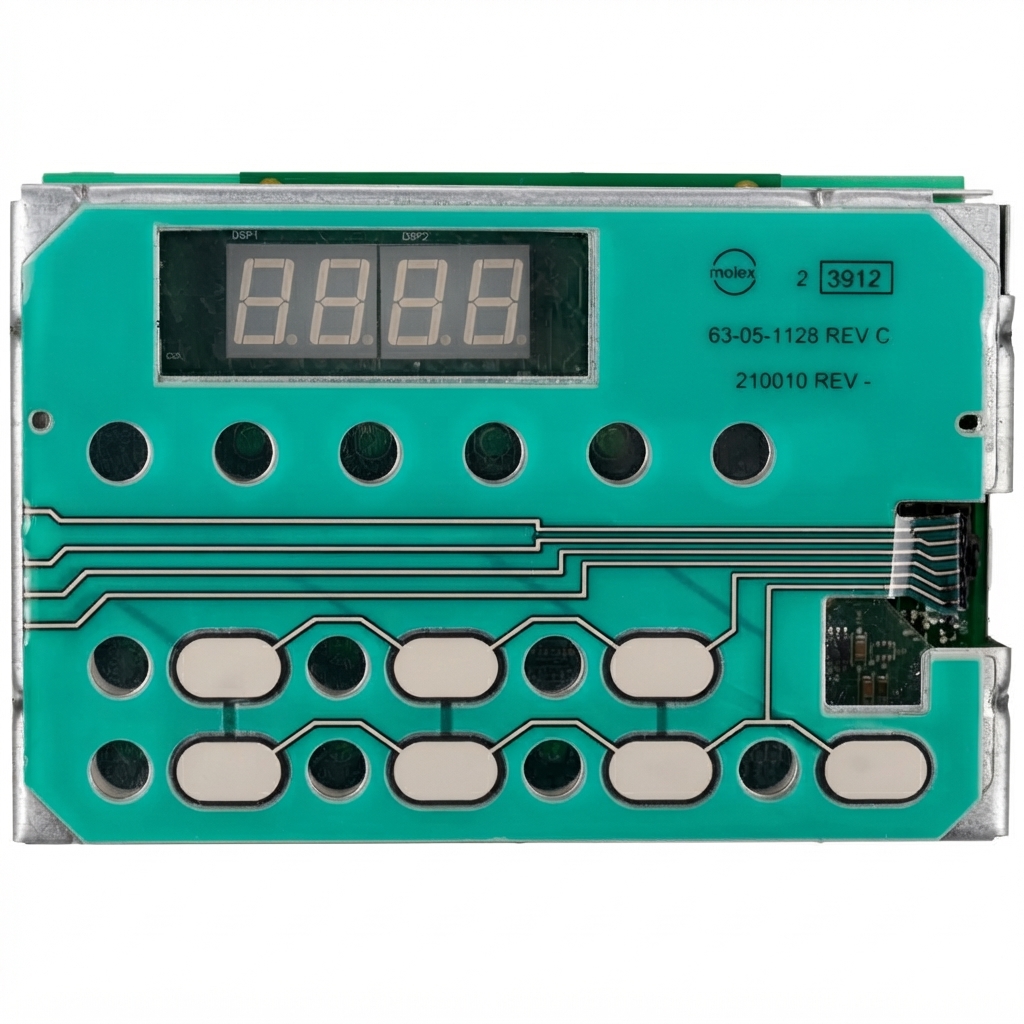
The Alliance MDC Topload Washer is a commercial-grade top-load washing machine designed for dependable performance, simple operation, and low-maintenance use in multi-housing, laundromat, and hospitality settings. Built for frequent daily cycles, it combines durable construction with straightforward programming, making it a strong choice for operators who need consistent wash results without complex training. The MDC control platform is especially useful for properties that want flexible cycle settings, vend-ready operation, and easy serviceability.
One of the biggest advantages of the Alliance MDC Topload Washer is its balance of efficiency and ruggedness. It typically features a large-capacity basket, high spin speeds for better extraction, and owner-adjustable cycle options that help match the machine to different fabrics and load types. This makes it suitable for apartment buildings, student housing, shared laundry rooms, and light commercial environments where reliability matters more than flashy features. Users often value its simple interface, steady cleaning performance, and commercial build quality.
Estimated pricing can vary significantly based on configuration, vendor, and installation requirements, but the Alliance MDC Topload Washer commonly falls in the mid-range commercial washer category. Availability is generally strongest through authorized laundry equipment dealers, parts distributors, and commercial appliance suppliers. Buyers looking for a durable top load washer for business use will find it a practical long-term investment, especially when ease of use and service support are top priorities.
Alliance MDC Topload Washer Specifications, Features, and Performance
The Alliance MDC Topload Washer is designed for commercial laundry environments that need dependable throughput and straightforward controls. Below are the core specifications and capabilities commonly associated with this platform.
- Type: Commercial top-load washer with MDC programmable control
- Capacity: Approximately 2.8 to 3.2 cu. ft., depending on model variant
- Spin speed: Up to 710 RPM on supported configurations
- Cycle time: Owner-adjustable on many MDC setups for flexible wash management
- Electrical: Commonly 120V, 60Hz, 15 amp commercial connection
- Water pressure range: Typically 20 to 120 psi for proper operation
- Width: About 26 7/8 inches for compact installation planning
- Depth: About 28 inches for standard utility-room layouts
- Height: Roughly 43 inches for most top-load cabinet versions
- Motor: Commercial-duty reversing motor on many related platform models
- Control system: MDC programming supports cycle customization and vend settings
Compared with basic residential top-load washers, the Alliance MDC Topload Washer offers stronger duty cycles, more durable components, and better service access. Compared with some premium high-efficiency residential models, it prioritizes reliability and utility over advanced smart features, which can be an advantage in shared laundry settings.
How to Set Up the Alliance MDC Topload Washer
Proper setup is essential for safe operation and long service life. Start by placing the washer on a level, stable floor that can support the machine’s weight and vibration. Leave enough clearance behind and around the unit for hoses, ventilation, and service access. Connect the water supply lines to the correct hot and cold inlets, then verify that supply pressure is within the recommended range.
Next, install the drain hose securely and make sure the standpipe or drain system can handle full discharge flow. Connect the washer to a grounded electrical circuit that matches the machine’s voltage and amperage requirements. After installation, run a test cycle with no laundry to check for leaks, drainage problems, unusual noise, or vibration. If the washer has programmable MDC settings, configure cycle length, vend price, water level, and temperature options before putting it into service.
Safety precautions are critical during setup. Never operate the washer with damaged cords, loose fittings, or unstable leveling. Do not overload the drum during testing, and keep hands away from moving parts and open cabinet areas. If the unit does not start, confirm the power supply, door or lid closure, and water connections before requesting service.
Alliance MDC Topload Washer Troubleshooting Guide
Common issues with the Alliance MDC Topload Washer usually involve water supply, drainage, balancing, or control settings. If the machine will not fill, check that both water valves are open, inlet hoses are not kinked, and supply pressure is adequate. If the washer drains poorly, inspect the drain hose for clogs or improper placement.
If the washer vibrates excessively, the load may be uneven or the machine may not be level. Redistribute the laundry and confirm all four feet are firmly planted on the floor. If spin performance seems weak, verify that the lid closes properly and that the cycle is not interrupted by a power issue. For control-related problems, reset the machine by turning it off briefly and reviewing the programmed settings.
Typical service-style issues can include coin or vend configuration errors, cycle timing problems, or temperature-mix concerns on programmable models. Many of these can be resolved by checking configuration menus or replacing worn hoses, valves, or belts. Preventive maintenance should include cleaning the lint and debris areas, inspecting hoses regularly, and avoiding overloading. Warranty coverage and support typically depend on the seller and installation channel, so contact your authorized commercial laundry dealer or distributor for parts, service, and technical assistance.
Alliance MDC Topload Washer Pros and Cons
Pros
- Commercial-grade build quality for heavy daily use
- Simple top-load design that is easy for most users to understand
- Programmable MDC controls for flexible cycle management
- Strong extraction performance with high spin speed on supported models
- Well suited for multi-housing, hospitality, and laundry-room revenue use
- Good value for money when long-term durability matters more than smart features
Cons
- Fewer modern convenience features than consumer smart washers
- Professional installation may be required for best results
- Programming and service adjustments may be confusing for first-time owners
- Noise and vibration can be noticeable in small laundry spaces
- Replacement parts and support may depend on authorized distributors
Compared with entry-level residential top-load washers, the Alliance MDC Topload Washer is more durable and better suited to frequent use. Compared with premium commercial alternatives, it may feel less advanced, but it often delivers stronger value for operators who want dependable washing without unnecessary complexity.
Customer Reviews of the Alliance MDC Topload Washer
Customer feedback on the Alliance MDC Topload Washer is generally positive, especially among property managers and laundry operators who value reliability. Many users praise its sturdy construction, easy-to-learn controls, and consistent cleaning performance. A common rating pattern is around 4 out of 5 stars, with buyers highlighting its long-term value and commercial durability.
Typical testimonials mention that the washer handles repeated daily cycles well and is simple for tenants or guests to use. Common complaints usually involve setup difficulty, occasional vibration, or the learning curve for programming settings. Overall, it is often recommended for buyers who need a practical commercial top-load washer rather than a feature-heavy household model.
If you want a dependable top load washer for shared laundry spaces, the Alliance MDC Topload Washer is a solid choice. It is especially attractive for buyers who prioritize serviceability, rugged performance, and predictable operation.
Faqs
How do I set up alliance MDC Topload Washer for the first time?
What should I do if my alliance MDC Topload Washer is not starting?
How do I program cycle settings on an alliance MDC Topload Washer?
Why is my alliance MDC Topload Washer not filling with enough water?
What are the main features of alliance MDC Topload Washer that improve cleaning results?
Is alliance MDC Topload Washer compatible with coin, card, or other payment systems?
How can I optimize wash performance on alliance MDC Topload Washer?
How often should I maintain alliance MDC Topload Washer to prevent problems?
More alliance manuals
- Alliance WE-6 Control Pocket Hardmount Washer-Extractor User Manual
- Alliance Dryer User Manual
- Alliance Pocket Hardmount UniLinc Washer Extractor UW35TV User Manual
- Alliance Non-Vended or Stack Washer & Dryer User Manual
- Alliance Frontload Washer BFNBCFSG111TN01 User Manual
- Alliance FLW1548C_SVG Frontload Washer User Manual
Leave a Comment