
Alliance Electric and Gas Clothes Dryer User Manual
Content
Alliance Electric and Gas Clothes Dryer: Complete Product Manual and Buyer Guide
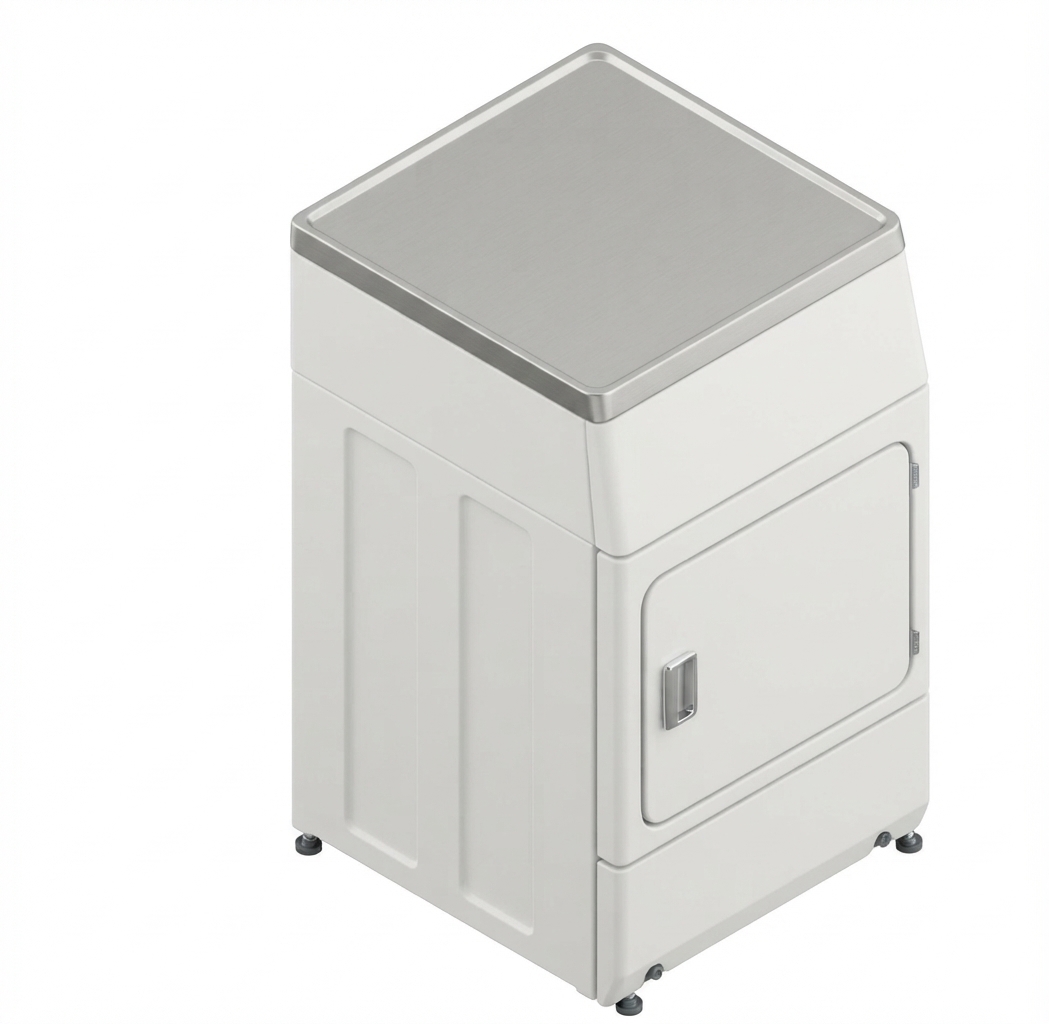
The Alliance Electric and Gas Clothes Dryer is built for dependable drying performance in homes, apartments, laundromats, and other high-use laundry environments. Designed to support both electric and gas configurations, it gives buyers flexibility based on utility access, operating cost, and installation setup. This makes the Alliance Electric and Gas Clothes Dryer a practical choice for users who want efficient drying, durable construction, and service-friendly design in one appliance.
One of the biggest advantages of an Alliance dryer is its commercial-grade approach to laundry care. Depending on the model, it may include a large-capacity drum, strong airflow, flexible venting, and high-output heating for faster cycle completion. Gas models are often favored for lower long-term operating costs, while electric versions are attractive in locations without gas service or where installation simplicity matters. For property managers, multi-family housing owners, and busy households, this product category offers reliable everyday use with straightforward controls and consistent results.
Estimated pricing varies widely by configuration and capacity. Entry-level home-style units can start around the low to mid hundreds, while heavy-duty commercial or stacked models may reach into the mid-to-high thousands. Availability is generally strongest through appliance dealers, laundry-equipment distributors, and authorized parts and service channels. If the goal is a durable dryer that can handle frequent loads, the Alliance Electric and Gas Clothes Dryer is a strong option worth comparing with comparable Speed Queen and other commercial-style laundry machines.
Specifications
Specifications vary by exact model, but common Alliance dryer platforms typically focus on airflow, heating power, and service accessibility. The following points summarize typical technical characteristics:
- Fuel types: electric and natural gas configurations
- Gas connection: commonly 3/8-inch NPT gas connection on many models
- Electrical supply: model-dependent, with common requirements such as 120V/60Hz for controls or higher-voltage service for electric heating models
- Heating performance: gas heating can reach very high BTU output, while electric models may use high-wattage elements for steady drying
- Airflow: commercial-style units often use strong exhaust airflow for faster moisture removal
- Capacity: available in compact residential sizes and larger high-volume drum designs
- Controls: mechanical timer, push-to-start, or electronic cycle options depending on model
- Ventilation: rear or side exhaust configurations are common on many installations
- Build type: steel cabinet construction with durable drum materials for repeated use
Compared with standard consumer dryers, an Alliance dryer is generally built for longer duty cycles, stronger airflow, and easier maintenance access. Compared with premium residential competitors, it often emphasizes durability and serviceability over decorative features.
Detailed Description
The Alliance Electric and Gas Clothes Dryer is designed to remove moisture from laundry quickly and consistently through heated air, rotating drum motion, and exhaust ventilation. In gas models, the burner system heats incoming air before it passes through the tumbling clothes. In electric models, heating elements perform the same job without requiring gas service. Both versions rely on airflow management to move damp air out of the drum and through the vent system.
In real-world use, this makes the appliance suitable for towels, work uniforms, bedding, school clothes, and frequent household loads. Commercial and multi-family setups benefit from the machine’s durability and repeatability, while homeowners appreciate the familiar operation and dependable cycle results. The cabinet and drum are typically built from sturdy metal components to withstand frequent use and reduce wear over time. Many models are designed for easier servicing, which is especially valuable in rental properties and laundry rooms with high turnover.
User experience is usually straightforward: load clothes, select the cycle, start the machine, and let the dryer manage heat and airflow automatically. The best results come from matching load size to drum capacity and keeping the lint filter clean.
Setup Guide
Before installation, confirm the exact model’s fuel type, voltage rating, venting layout, and clearance requirements. A safe setup is essential for drying performance and fire prevention.
- Unpack the dryer and inspect it for shipping damage.
- Place the unit on a level, stable floor with enough clearance around the sides and rear.
- Connect the exhaust vent securely using approved dryer venting materials.
- For gas models, connect the gas supply using the correct fittings and verify that the appliance is configured for the correct gas type.
- For electric models, confirm the outlet and breaker match the rated electrical specification.
- Plug in the dryer or complete hardwired electrical connections only if required by the model.
- Run a short test cycle with no laundry to confirm heat, drum rotation, and airflow.
Configuration options may include cycle length, temperature settings, wrinkle control, and buzzer or end-of-cycle signal settings. Always keep the lint screen clean, avoid crushed exhaust ducting, and never operate a dryer without proper venting. If the dryer does not heat, check gas supply, electrical power, and door closure before calling for service.
Troubleshooting
Common problems with an Alliance dryer often relate to airflow, power supply, ignition, or user settings. If clothes are taking too long to dry, inspect the lint filter, vent hose, and exterior exhaust hood for blockage. Poor airflow is one of the most common causes of weak drying performance.
- No heat: check power supply, gas valve position, and cycle temperature selection
- Drum not turning: inspect the door switch, belt, and motor operation
- Dryer stops too soon: verify load size, timer settings, and moisture-sensing conditions if equipped
- Gas model fails to ignite: confirm gas supply and reset the unit after checking for blockages
- Excess noise: look for loose items in the drum, worn rollers, or an unlevel cabinet
Some models may display service-related indicators rather than detailed consumer error codes. In those cases, check the owner’s manual for the exact code meaning. Preventive care includes cleaning the lint screen after every load, inspecting venting regularly, and scheduling periodic maintenance. Warranty coverage and support depend on the model and seller, so keep your proof of purchase and serial number ready when requesting help. For assistance, contact the authorized dealer, distributor, or Alliance service channel listed in the product documentation.
Pros & Cons
Pros
- Flexible electric and gas options for different installation needs
- Strong drying performance for frequent laundry loads
- Commercial-style durability and serviceable design
- Good choice for homes, rentals, and laundry rooms with heavy use
- Often more practical than feature-heavy consumer models when reliability matters most
Cons
- Exact features vary greatly by model, which can make comparison difficult
- Some versions may have fewer smart features than modern consumer dryers
- Gas installation may require professional setup and vent verification
- Higher-capacity units can cost more than basic residential alternatives
- Noise and footprint may be greater than compact home appliances
For value for money, the Alliance Electric and Gas Clothes Dryer is strongest when durability, turnaround speed, and service life matter more than premium display features. Compared with standard household dryers, it often offers better long-term utility in high-use settings.
Customer Reviews
Customer feedback for the Alliance Electric and Gas Clothes Dryer is generally positive among users who prioritize reliability. Typical ratings often land around 4 out of 5 stars for performance and build quality.
Common praise includes fast drying times, sturdy construction, and simple controls. One customer noted that the dryer “handles back-to-back loads without feeling overworked,” while another said it “feels like a machine built for years of service.” Common complaints usually mention installation complexity, venting requirements, or the lack of advanced digital features.
Buyers looking for a dependable laundry solution usually recommend this product to landlords, small businesses, and households with frequent laundry needs. If smart connectivity and premium display options are top priorities, a different modern residential dryer may be a better fit.
Frequently Asked Questions
- What is the Alliance Electric and Gas Clothes Dryer used for? It is used to dry household or commercial laundry with either electric or gas heating.
- Is gas or electric better? Gas often offers lower operating cost, while electric may be easier to install where gas service is unavailable.
- How often should the lint filter be cleaned? After every load for best airflow and safety.
- Can it be used in apartments or rentals? Yes, many models are suitable for multi-family laundry rooms if installation requirements are met.
Faqs
How do I set up an alliance Electric and Gas Clothes Dryer for the first time?
What power and venting requirements does an alliance Electric and Gas Clothes Dryer need?
Why is my alliance Electric and Gas Clothes Dryer taking too long to dry clothes?
What should I do if my alliance Electric and Gas Clothes Dryer is not heating?
How can I prevent excessive lint buildup in an alliance Electric and Gas Clothes Dryer?
Which laundry loads work best in an alliance Electric and Gas Clothes Dryer?
How do I optimize energy efficiency on an alliance Electric and Gas Clothes Dryer?
What routine maintenance does an alliance Electric and Gas Clothes Dryer need?
More alliance manuals
- Alliance LTS87A*H Electric and Gas Stacked Washers and Dryers User Manual
- Alliance HCA080QN Washer-Extractor User Manual
- Alliance Pocket Hardmount Washer Extractors UW35B2 User Manual
- Alliance UD20F075 Roll Heated Flatwork Finisher User Manual
- Alliance TLW12C-SVG Topload Washer User Manual
- Alliance DRY725C Dryer User Manual
Leave a Comment