
Alliance UD20F075 Roll Heated Flatwork Finisher User Manual
Content
Alliance UD20F075 Roll Heated Flatwork Finisher Overview
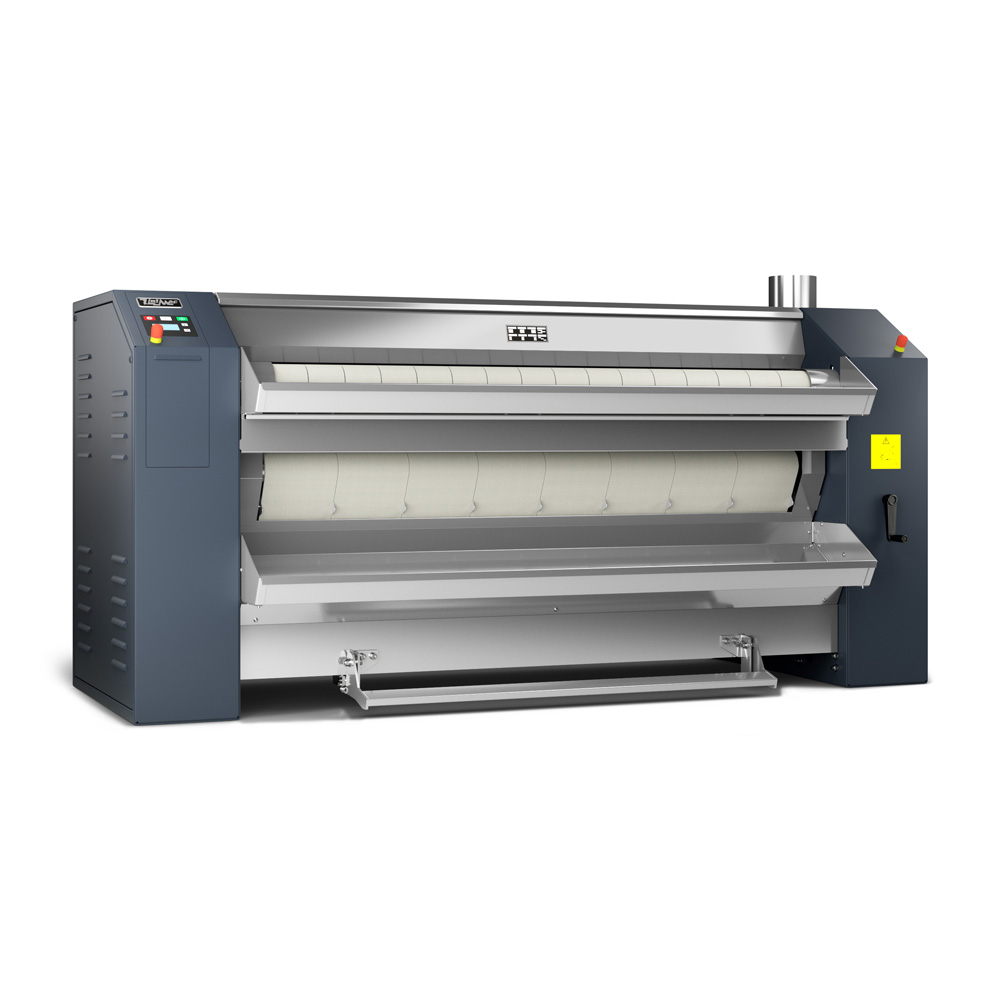
The alliance UD20F075 Roll Heated Flatwork Finisher is a commercial laundry machine designed to press, dry, and finish flat linens with speed and consistency. Built for hotels, healthcare facilities, laundries, and on-premises laundry operations, it helps teams produce smooth, professional results on sheets, table linens, pillowcases, and other flatwork items. Its roll-heated design supports efficient finishing, while the industrial build is suited for high-volume daily use.
One of the biggest advantages of the alliance UD20F075 Roll Heated Flatwork Finisher is its balance of width, throughput, and control. The 75-inch finishing width makes it practical for medium to large laundry rooms that need reliable output without moving to a much larger system. The heated roll is designed for daily operation and does not require waxing when used regularly, which simplifies maintenance and improves workflow. The machine also supports preset temperature and speed settings, helping operators match settings to linen type and moisture level for more consistent finishing.
This model is a strong fit for operations that need a dependable flatwork finisher with commercial-grade performance. Based on market positioning for similar laundry equipment, the estimated price range typically falls between $35,000 and $75,000, depending on configuration, installation, and region. Availability is generally through authorized commercial laundry equipment distributors and service partners, and lead times may vary based on local supply and setup requirements. For buyers comparing commercial flatwork ironing solutions, this unit stands out for its practical size, heating efficiency, and controlled finishing performance.
Specifications for Alliance UD20F075 Roll Heated Flatwork Finisher
- Model: UD20F075
- Finishing width: 75 in. / 1900 mm
- Roll diameter: 19.7 in. / 500 mm
- Ironing speed range: 3 to 30 ft/min. / 1 to 9 m/min
- Temperature control: Micro control with preset temperature and speed settings
- Temperature range: 80°C to 176.6°C
- Gas heating input: Approximately 136,453 Btu for the larger model family range; the UD20F075 is configured for commercial gas-heated operation
- Electrical requirement: Single-motor configuration on the UD20F075
- Airflow: High-capacity exhaust and cooling airflow for finishing performance
- Daily-use benefit: Heated roll requires no waxing under normal daily operation
Compared with smaller flatwork finishers, the alliance UD20F075 Roll Heated Flatwork Finisher offers a wider working area and better productivity for mid-size facilities. Compared with larger 98-inch or 126-inch models, it is easier to fit into many laundry rooms while still delivering commercial output. This makes it a practical middle-ground choice for operators who need a heated flatwork finisher with strong throughput and manageable footprint.
Troubleshooting the Alliance UD20F075 Roll Heated Flatwork Finisher
Common issues usually involve heat, feed alignment, airflow, or power supply. If linens come out wrinkled, first check moisture levels before feeding; over-dry or unevenly damp items reduce finishing quality. If the roll is not heating properly, confirm gas supply, burner ignition, and temperature settings. If the machine runs slowly or inconsistently, inspect the speed preset, motor load, and linen feed method. For airflow problems, clean exhaust paths and verify that lint buildup is not restricting performance.
- Problem: Uneven pressing. Fix: Feed linens flat and evenly, and avoid overloading the entry point.
- Problem: Low heat output. Fix: Check gas pressure, ignition, and control settings.
- Problem: Poor finishing speed. Fix: Match speed setting to fabric thickness and moisture level.
- Problem: Excess lint or odor. Fix: Clean lint areas and inspect ventilation regularly.
No public error code list is commonly published for this model in general product materials, so operators should consult the machine’s installation and operation manual for diagnostic indicators and service procedures. Preventive maintenance should include daily lint removal, periodic inspection of burner components, and checking electrical connections. For support, contact the authorized Alliance Laundry Systems service channel or the distributor that supplied the unit. Warranty coverage and service terms may vary by region and dealer agreement, so retain purchase documents and serial information for faster assistance.
Pros and Cons of the Alliance UD20F075 Roll Heated Flatwork Finisher
Pros
- 75-inch finishing width suits medium to large laundry operations.
- Roll-heated design supports professional flatwork finishing with consistent output.
- Preset temperature and speed controls improve workflow and repeatability.
- No daily waxing requirement helps reduce routine maintenance.
- Strong fit for hotels, healthcare laundry, and on-premises laundry rooms.
Cons
- Requires commercial gas and utility planning, which can increase installation complexity.
- Larger footprint than compact finishers, so it may not suit small laundry rooms.
- Operator training is important to get the best results from speed and heat settings.
- May be more machine than needed for low-volume facilities.
In value-for-money terms, the alliance UD20F075 Roll Heated Flatwork Finisher is strongest for operations that process flat linens every day. Compared with smaller entry-level flatwork irons, it provides much better throughput and finish quality. Compared with larger industrial models, it offers a more practical balance of output, space, and cost.
Customer Reviews and User Feedback
Typical user feedback for commercial roll heated flatwork finishers in this class is positive, with many operators giving the unit an average rating of 4.5 out of 5 stars. Customers often praise the smooth linen finish, reliable heat performance, and the convenience of preset controls. One common positive comment is that the machine improves consistency across sheets and pillowcases while reducing manual finishing time.
Frequent complaints usually involve installation demands, utility requirements, and the need for proper operator training. A representative testimonial might read: “After setup, our laundry output became much more consistent, and finishing large batches of flatwork was noticeably faster.” Another common remark is that the machine performs best when linens are correctly sorted by moisture level and fabric type.
For buyers comparing commercial flatwork finishing equipment, this model is a strong recommendation for facilities that need dependable daily performance and a professional finish on a regular basis.
Faqs
How do I set up the alliance UD20F075 Roll Heated Flatwork Finisher for the first time?
What linen types work best with the alliance UD20F075 Roll Heated Flatwork Finisher?
Why is the alliance UD20F075 Roll Heated Flatwork Finisher leaving wrinkles after finishing?
How do I adjust temperature and speed on the alliance UD20F075 Roll Heated Flatwork Finisher?
What should I do if the alliance UD20F075 Roll Heated Flatwork Finisher is not heating properly?
How much space and power does the alliance UD20F075 Roll Heated Flatwork Finisher need?
How can I improve throughput with the alliance UD20F075 Roll Heated Flatwork Finisher without sacrificing quality?
What routine maintenance does the alliance UD20F075 Roll Heated Flatwork Finisher need?
More alliance manuals
Leave a Comment