
Bryant 395CAV induced-Combustion Furnace User Manual
Content
Bryant 395CAV Induced-Combustion Furnace: Complete Product Manual and Buying Guide
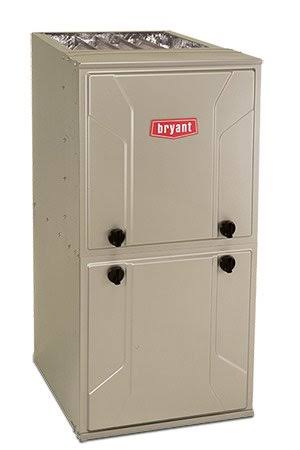
The Bryant 395CAV induced-combustion furnace is a single-stage, gas-fired upflow furnace designed for dependable home heating, efficient airflow, and compact installation. Built for use in closets, basements, attics, utility rooms, and other tight spaces, it has long been valued for its 40-inch cabinet height, inshot burner system, and durable 4-pass heat exchanger. For homeowners looking for a Bryant 395CAV induced-Combustion Furnace replacement or a reliable legacy furnace reference, this model remains known for steady performance, straightforward servicing, and broad application in residential HVAC systems.
This furnace is a practical choice for homeowners needing consistent forced-air heat in smaller or standard-size homes, especially where vertical upflow installation is preferred. It is also useful for HVAC technicians and property managers who maintain older Bryant, Carrier, and related furnace platforms. Key benefits include compact dimensions, simple single-stage operation, and compatibility with standard residential ductwork and venting setups. The Bryant 395CAV induced-Combustion Furnace was originally positioned as a deluxe efficiency model, and its design reflects that focus with a sealed combustion-style draft system and safety-oriented controls.
Estimated pricing for used, refurbished, or replacement units typically ranges from about $400 to $1,500 depending on condition, size, and included components. New-in-box availability is limited because this is a legacy model, so most buyers find it through HVAC parts suppliers, used equipment marketplaces, or installer inventories. For users searching for a Bryant 395CAV induced-Combustion Furnace manual, installation guidance, or troubleshooting help, this product remains a familiar and serviceable option in the classic Bryant furnace lineup.
Specifications for Bryant 395CAV Induced-Combustion Furnace
- Furnace type: single-stage induced-combustion gas furnace
- Installation style: upflow only
- Input capacity range: approximately 44,000 to 154,000 Btuh depending on size
- Cabinet height: 40 inches for easier installation in compact spaces
- Heat exchanger: 4-pass design for improved heat transfer
- Burner system: inshot burners for stable ignition and combustion
- Fuel type: natural gas configuration with altitude derating requirements in higher elevations
- Return-air temperature range: designed for continuous operation with typical residential conditions
- Venting: compatible with approved venting methods and required clearances to combustibles
- Application: residential forced-air heating with standard ducted distribution
In practical terms, the Bryant 395CAV induced-Combustion Furnace offers solid heating performance for homeowners who need a straightforward gas furnace rather than a multi-stage or modulating system. Compared with newer high-efficiency furnaces, it is less advanced in energy-saving technology, but it remains easier to understand and service. Against similar legacy models such as other Bryant 90-plus-style upflow furnaces, the 395CAV is especially recognized for compact installation and dependable single-stage operation. Its best use case is a home that needs reliable heat without the complexity of premium variable-speed equipment.
Troubleshooting Bryant 395CAV Induced-Combustion Furnace Problems
Common issues with the Bryant 395CAV induced-Combustion Furnace often involve ignition, airflow, venting, or control-board faults. If the furnace does not light, check the thermostat setting, power supply, gas supply, and igniter operation. A common diagnostic issue is Code 14, which indicates multiple failed ignition attempts. In that case, inspect the gas valve, flame sensor, burner alignment, wiring connections, and vent system.
- No heat: confirm thermostat demand, breaker position, and furnace switch status
- Ignition failure: clean the flame sensor, check the hot surface igniter, and verify gas flow
- Short cycling: inspect the air filter, blower airflow, and limit switch operation
- Loud operation: look for loose panels, dirty burners, or restricted ducts
- Intermittent shutdown: check intake and exhaust piping for obstructions such as debris or nests
- Fault code 14: four failed ignition attempts; cycle power, verify gas supply, and test ignition components
- Fault code 34: venting or pressure-switch related problems; inspect vent pipe, inducer, and pressure tubing
Preventive maintenance includes replacing filters regularly, keeping vents clear, cleaning burners, and scheduling annual HVAC inspections. If the furnace continues to fail after basic checks, contact a licensed HVAC technician. Warranty coverage depends on unit age and installation history, so legacy equipment may be out of standard warranty. For service support, use a qualified Bryant dealer, an authorized HVAC contractor, or the home’s original installation records to identify compatible replacement parts and control boards.
Pros and Cons of the Bryant 395CAV Induced-Combustion Furnace
Pros
- Compact 40-inch cabinet fits closets, basements, and utility rooms well
- Reliable single-stage operation keeps controls simple and service costs manageable
- 4-pass heat exchanger helps deliver steady heating performance
- Inshot burner design supports consistent combustion
- Good option for homeowners needing a proven legacy Bryant furnace
Cons
- Legacy model with limited new-unit availability
- Lower efficiency than newer condensing furnaces
- Upflow-only configuration reduces installation flexibility
- Replacement parts may require cross-referencing and HVAC supplier support
- Not ideal for buyers wanting variable-speed comfort or advanced smart controls
For value for money, the Bryant 395CAV induced-Combustion Furnace makes sense mainly as a replacement or serviceable legacy unit, not as a first-choice purchase for a full modern HVAC upgrade. Compared with newer high-efficiency furnaces, it is simpler but less economical in long-term fuel use. Compared with other older Bryant gas furnaces, it stands out for compact design and dependable everyday heating.
Customer Reviews of Bryant 395CAV Induced-Combustion Furnace
Average user sentiment for the Bryant 395CAV induced-Combustion Furnace is generally positive among owners who value reliability and straightforward operation, often landing around 4.0 out of 5 stars for long-term dependability. Many users praise the furnace for steady heat delivery, easy service access, and compact installation in tight spaces. A typical testimonial is: “It has heated our home reliably for years, and the compact cabinet made replacement easier than expected.”
Common complaints focus on older parts, ignition faults, and limited efficiency compared with modern systems. Another frequent comment is: “It works well, but when a control board or igniter fails, finding the right replacement takes time.” Buyers looking for a replacement furnace often recommend the model for older homes that already have compatible ductwork and venting. For shoppers comparing alternatives, the Bryant 395CAV induced-Combustion Furnace is best suited to those prioritizing familiar operation and proven performance over premium efficiency features.
Faqs
How do I set up bryant 395CAV induced-Combustion Furnace for the first time after installation?
Why is my bryant 395CAV induced-Combustion Furnace not igniting, and what troubleshooting steps should I try first?
What thermostat and wiring requirements should I follow with bryant 395CAV induced-Combustion Furnace?
How can I improve heating performance and airflow on bryant 395CAV induced-Combustion Furnace?
What are the key features of bryant 395CAV induced-Combustion Furnace that homeowners should know about?
How often should I maintain bryant 395CAV induced-Combustion Furnace to avoid breakdowns?
Can bryant 395CAV induced-Combustion Furnace be used in a replacement project with existing ductwork?
What should I do if bryant 395CAV induced-Combustion Furnace keeps cycling on and off too frequently?
More bryant manuals
- Bryant HUMXXSFP1012 Small Fan Powered Humidifier User Manual
- Bryant 926TC Condensing Gas Furnace User Manual
- Bryant 288BNV Puron Refrigerant Heat Pump User Manual
- Bryant 935SA Condensing Gas Furnace User Manual
- Bryant 619P-B High Wall Unit Ductless System User Manual
- Bryant R-454B Variable Speed Air Conditioner User Manual
Leave a Comment