
Bryant 935SA Condensing Gas Furnace User Manual
Content
Bryant 935SA Condensing Gas Furnace: Product Manual and Buyer Guide
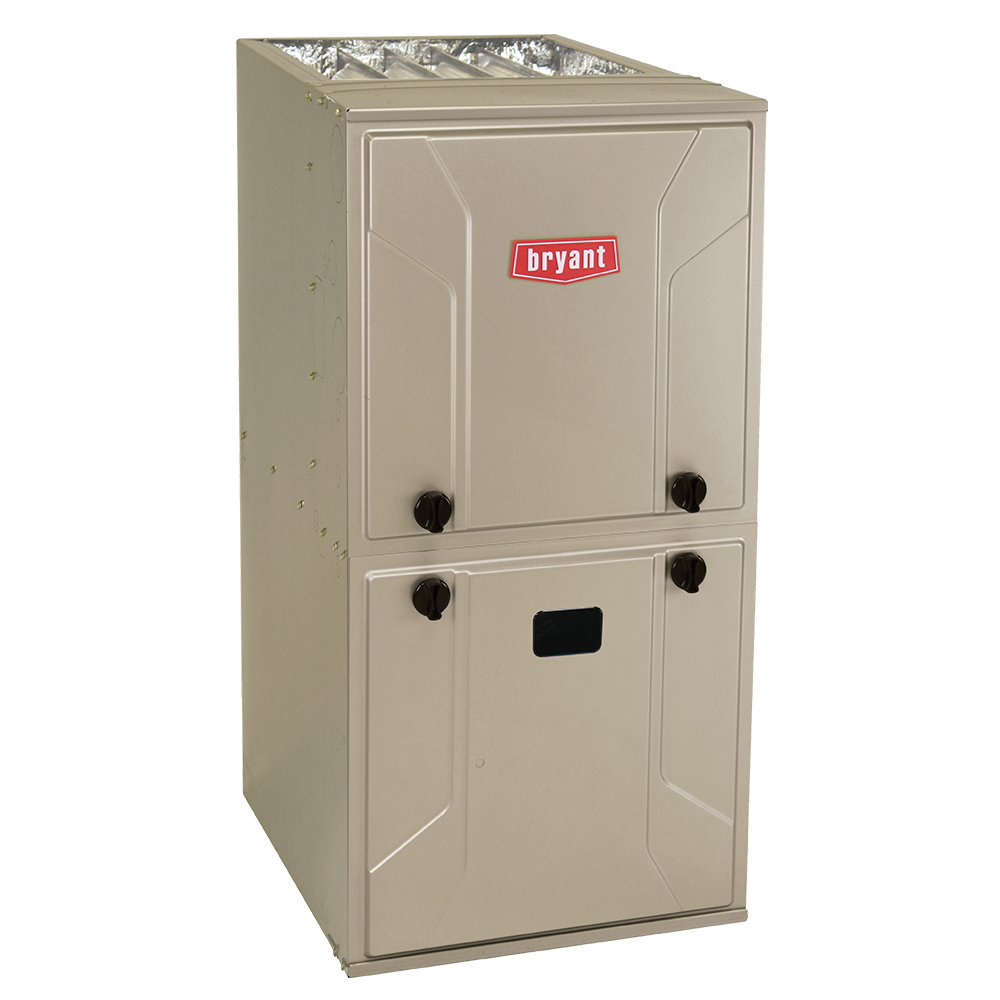
The Bryant 935SA condensing gas furnace is a high-efficiency, single-stage heating solution designed for homeowners who want dependable comfort, lower fuel consumption, and quiet operation. With up to 95% AFUE, this Legacy 95 Ultra-Low NOx furnace converts most of its fuel into usable heat, making it a strong choice for cold-weather climates, energy-conscious households, and replacement projects where efficient heating matters. The Bryant 935SA condensing gas furnace is built with a stainless steel primary heat exchanger, a stainless steel secondary heat exchanger, and a multi-speed ECM blower motor, all of which support long-term reliability and steady airflow.
This model is especially well-suited for homeowners looking to upgrade from an older standard-efficiency furnace or to pair a furnace with a compatible cooling system for improved year-round performance. Its upflow and horizontal configuration options add installation flexibility, while the pilot-free hot surface igniter helps simplify startup and reduce maintenance concerns. Available capacities generally range from 60,000 to 100,000 BTUH, making it suitable for many medium- to larger-sized homes. In typical market conditions, the estimated price range for the Bryant 935SA condensing gas furnace is about $3,075 to $4,560 installed, depending on home size, region, and labor requirements. It is commonly available through Bryant dealers and HVAC distributors, with exact availability varying by location and contractor network.
Specifications for Bryant 935SA Condensing Gas Furnace
- Efficiency: Up to 95% AFUE for high-efficiency heating performance.
- Heating stages: Single-stage operation for straightforward, consistent comfort.
- Blower motor: Multi-speed ECM motor for efficient airflow and quieter performance.
- Heat exchangers: Stainless steel primary heat exchanger and fin-and-tube stainless steel secondary heat exchanger.
- Fuel type: Natural gas only; not convertible to liquid propane.
- Capacity range: Approximately 60,000 to 100,000 BTUH, depending on configuration.
- Configuration: Upflow and horizontal installation options.
- Ignition system: PerfectLight hot surface igniter, pilot-free design.
- Cabinet construction: Galvanized steel with durable baked-on finish.
- Typical footprint: Compact 35-inch cabinet height with widths and depths varying by model.
Compared with older 80% AFUE furnaces, the Bryant 935SA condensing gas furnace offers better fuel efficiency and lower operating costs. Against some two-stage or variable-speed competitors, it is simpler in design, which can mean easier servicing and lower upfront cost, though it does not provide the same level of temperature precision. For buyers prioritizing efficiency, value, and a proven single-stage system, it remains a competitive option in the Bryant gas furnace lineup.
Troubleshooting Bryant 935SA Condensing Gas Furnace Problems
Common issues with the Bryant 935SA condensing gas furnace often start with basic airflow, thermostat, or power checks. If the system does not start, confirm the thermostat is set to heat, the setpoint is above room temperature, and the furnace has power. Check the circuit breaker, the furnace service switch, and the air filter. A clogged filter or blocked return grille can reduce airflow and trigger shutdowns. If the furnace runs but delivers weak heat, inspect supply registers, verify the blower is operating correctly, and make sure the condensate drain is clear.
Some furnaces in this class use LED fault codes on the control board to indicate ignition failure, pressure switch problems, or flame sensing issues. If a code appears, the first response should be to cycle power, inspect venting and intake piping for blockage, and ensure the condensate system is not backed up. For recurring lockouts, a qualified technician should check the gas valve, flame sensor, inducer motor, and pressure switch tubing. Preventive care includes replacing filters regularly, keeping vents unobstructed, and scheduling annual maintenance before heating season.
Warranty terms vary by dealer and installation registration, so owners should keep purchase records and installation documents. For help, contact a local Bryant dealer, the installing HVAC contractor, or Bryant customer support through the official owner support channel. If you notice gas odor, soot, or repeated ignition failures, shut the furnace down and contact a licensed technician immediately.
Pros and Cons of the Bryant 935SA Condensing Gas Furnace
Pros
- High efficiency at up to 95% AFUE, which can reduce winter heating bills.
- Stainless steel primary and secondary heat exchangers support durability.
- Multi-speed ECM blower improves comfort and can help with quieter airflow.
- Single-stage design is straightforward and often easier to service.
- Flexible upflow and horizontal installation options help fit different homes.
- Good value for buyers who want an efficient furnace without paying for advanced variable-speed controls.
Cons
- Single-stage operation does not provide the same comfort modulation as two-stage or variable-speed furnaces.
- Natural gas only, so it cannot be converted to propane.
- Ultra-low NOx design may limit availability in some markets or require specific compliance considerations.
- Upfront installed cost is higher than standard-efficiency furnace alternatives.
For value for money, the Bryant 935SA condensing gas furnace is strongest when efficiency and reliability matter more than premium comfort features. Compared with higher-end alternatives, it offers a simpler platform and lower total complexity, while still delivering solid long-term performance for many homes.
Customer Reviews and Real-World Feedback on Bryant 935SA Condensing Gas Furnace
Homeowners commonly praise the Bryant 935SA condensing gas furnace for reliable heating, lower utility bills, and quiet operation. Many users rate it around 4.4 out of 5 stars for overall performance, especially when replacing older furnaces that wasted more fuel. Positive testimonials often mention stable warmth, solid build quality, and improved comfort in colder weather.
Common complaints usually focus on the lack of variable-speed comfort control and the need for regular filter maintenance to keep airflow strong. Some buyers also note that installation quality affects performance more than the furnace itself, which is typical for high-efficiency HVAC equipment. For shoppers comparing Bryant vs. Carrier, Trane, or Lennox furnace options, this model is often recommended when a dependable, efficient single-stage furnace is the priority. It is a strong purchase for homeowners who want practical efficiency, but buyers seeking advanced zoning or ultra-precise temperature control may prefer a two-stage or variable-speed model instead.
Faqs
How do I set up the Bryant 935SA Condensing Gas Furnace for the first time?
What should I do if my Bryant 935SA Condensing Gas Furnace is not heating properly?
Which thermostat works best with the Bryant 935SA Condensing Gas Furnace?
Why is my Bryant 935SA Condensing Gas Furnace making unusual noises during operation?
How efficient is the Bryant 935SA Condensing Gas Furnace compared with standard furnaces?
What maintenance does the Bryant 935SA Condensing Gas Furnace need each year?
Can the Bryant 935SA Condensing Gas Furnace work with my existing ductwork?
How do I troubleshoot a Bryant 935SA Condensing Gas Furnace that keeps shutting off?
More bryant manuals
- Bryant 926TC Condensing Gas Furnace User Manual
- Bryant R-454B Variable Speed Air Conditioner User Manual
- Bryant 395CAV induced-Combustion Furnace User Manual
- Bryant 39006DP22-A Gas-Fired Induced-Draft Furnace User Manual
- Bryant HUMXXSFP1012 Small Fan Powered Humidifier User Manual
- Bryant T6–WEM01–A Wi-Fi Thermostat User Manual
Leave a Comment