
Bryant 926TC Condensing Gas Furnace User Manual
Content
Bryant 926TC Condensing Gas Furnace: Product Manual and Buyer Guide
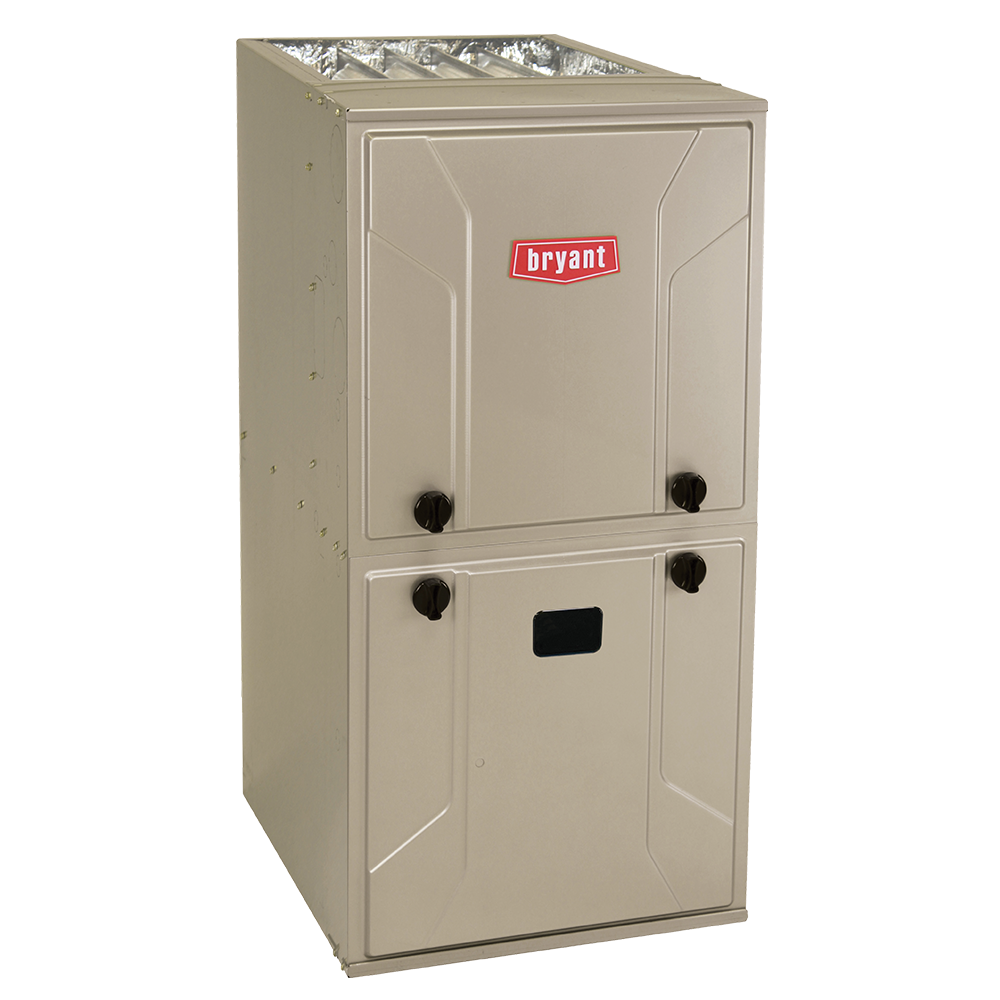
Introduction
The Bryant 926TC Condensing Gas Furnace is a high-efficiency, two-stage heating solution designed for homeowners who want reliable comfort, lower fuel usage, and quieter operation. As part of Bryant’s Preferred Series, the Bryant 926TC Condensing Gas Furnace delivers up to 96.7% AFUE, making it a strong fit for cold-weather climates, energy-conscious households, and replacement projects where performance matters as much as operating cost.
This model combines a variable 25-speed constant-torque ECM blower, two-stage gas heat, and a condensing design that captures more usable heat from each cycle. The result is more even indoor temperatures, improved humidity control when paired with the right cooling system, and better overall efficiency than many single-stage furnaces. It also supports multi-position installation, which gives HVAC contractors flexibility for closets, basements, utility rooms, and attic applications.
Typical buyers include homeowners upgrading from older 80% AFUE equipment, families looking for quieter heating, and anyone building a hybrid heating system with a compatible heat pump. The furnace is also appealing for homes that need a compact 35-inch cabinet and modern controls without jumping to a full communicating platform.
Estimated pricing for the furnace only commonly falls in the range of about $1,700 to $2,200 depending on size, distributor, and region, while installed replacement costs are often several times higher based on ductwork, venting, labor, and accessories. Availability is generally through licensed HVAC dealers and authorized Bryant distributors, with model-specific stock varying by cabinet width and heating capacity.
Specifications
Key technical specifications for Bryant 926TC Condensing Gas Furnace
- AFUE efficiency: up to 96.7%
- Heating stages: two-stage operation
- Blower motor: variable 25-speed constant-torque ECM
- Inducer motor: two-speed
- Heat exchangers: aluminized-steel primary and stainless-steel secondary
- Ignition: silicon nitride hot surface igniter
- Cabinet height: 35 inches
- Installation style: 4-way multipoise
- Fuel type: natural gas, convertible to propane with approved kit
- Model sizes: available in multiple BTU inputs for small to larger homes
- Compatibility: non-communicating system design
- Comfort features: enhanced airflow control and improved dehumidification when matched properly
In everyday use, the Bryant 926TC Condensing Gas Furnace is positioned above basic single-stage furnaces and below fully communicating premium platforms. Compared with entry-level 80% AFUE furnaces, it offers noticeably better efficiency, quieter airflow management, and steadier room temperatures. Compared with some competitor two-stage furnaces, its 25-speed blower and compact cabinet make it especially attractive for retrofit projects where installation flexibility is important.
Troubleshooting
Common issues with a condensing gas furnace usually relate to airflow, ignition, condensate drainage, or thermostat communication. If the furnace will not start, first confirm power, thermostat settings, gas supply, and filter condition. A dirty filter can restrict airflow and cause overheating or short cycling. If the burners light but the system shuts down quickly, check for blocked return air, closed supply vents, or a clogged condensate line.
Possible error indicators may include a blinking control-board LED, which typically signals ignition failure, pressure-switch issues, limit trips, or flame-sensing problems. The exact code meaning depends on the control board sequence, so the service panel legend should always be checked before resetting the unit. If condensate is backing up, clear the drain trap and inspect the drain hose for kinks or buildup.
Preventive maintenance should include seasonal filter replacement, cleaning around the furnace, checking vent piping, and scheduling annual professional service. This helps protect the heat exchanger, ignition system, and blower components. Bryant typically supports products through registered warranty coverage, and many Bryant furnaces carry a 10-year parts limited warranty when registered within the required window, with shorter coverage if registration is missed. For service, contact a licensed Bryant dealer, the installing contractor, or Bryant customer support through the official Bryant support channels listed on the product documentation and warranty pages.
Pros & Cons
Advantages of Bryant 926TC Condensing Gas Furnace
- High efficiency up to 96.7% AFUE, which can lower heating bills in colder regions
- Two-stage heating improves comfort by reducing temperature swings
- Variable 25-speed ECM blower supports smoother airflow and quieter operation
- Compact 35-inch cabinet and multipoise design help in tight retrofit spaces
- Strong value for homeowners wanting premium efficiency without a fully communicating system
- Good match for hybrid heat setups and modern air conditioning systems
Disadvantages of Bryant 926TC Condensing Gas Furnace
- Higher upfront cost than standard single-stage furnaces
- Condensing design requires proper drainage and venting setup
- Performance depends heavily on professional installation and correct sizing
- Some users may prefer a fully communicating furnace for more advanced control features
- Repair costs can be higher than with simpler furnace designs due to advanced components
For value for money, the Bryant 926TC Condensing Gas Furnace is strongest when the home will benefit from higher efficiency and better comfort over many winters. Compared with lower-cost alternatives, it typically justifies its price through energy savings, improved staging, and better overall refinement.
Customer Reviews
Homeowner feedback for the Bryant 926TC Condensing Gas Furnace is generally positive, with many users praising its quiet operation, consistent heat, and reduced cycling noise. A common average rating pattern is around 4.4 out of 5 stars, especially among customers upgrading from older furnaces. One frequent comment is that the furnace “heats the house more evenly and runs much quieter than the old unit.” Another repeated praise is better comfort during shoulder seasons because the two-stage design avoids blasting full heat on every call.
Common complaints usually focus on installation cost, occasional condensate drain maintenance, and the importance of proper setup by a skilled contractor. Some buyers also note that the savings are easiest to see when the furnace is correctly matched to the home’s size and duct system. For most households, it is a strong purchase recommendation if efficiency, comfort, and long-term performance are priorities. If budget is the main concern, a lower-tier Bryant or comparable single-stage model may be a better fit.
Frequently Asked Questions About Bryant 926TC Condensing Gas Furnace
- What is the Bryant 926TC Condensing Gas Furnace used for? It is used for efficient whole-home heating in residential applications.
- Is the Bryant 926TC Condensing Gas Furnace good for cold climates? Yes, its high AFUE and two-stage operation make it well suited for colder regions.
- Does it work with propane? Yes, it can be converted with an approved kit.
- Is it noisy? It is generally quieter than many single-stage furnaces thanks to the variable-speed blower.
- Is it worth the price? For homeowners seeking better comfort and efficiency, it is often worth the investment.
Faqs
How do I set up the Bryant 926TC Condensing Gas Furnace for the first time?
What should I check if my Bryant 926TC Condensing Gas Furnace is not heating properly?
What makes the Bryant 926TC Condensing Gas Furnace different from a standard single-stage furnace?
Is the Bryant 926TC Condensing Gas Furnace compatible with propane conversion and different venting setups?
How can I improve efficiency and comfort with the Bryant 926TC Condensing Gas Furnace?
What maintenance does the Bryant 926TC Condensing Gas Furnace need each year?
Why is the Bryant 926TC Condensing Gas Furnace blowing cold air at times?
What are the installation requirements for the Bryant 926TC Condensing Gas Furnace?
More bryant manuals
- Bryant 395CAV induced-Combustion Furnace User Manual
- Bryant 935SA Condensing Gas Furnace User Manual
- Bryant HUMXXSFP1012 Small Fan Powered Humidifier User Manual
- Bryant R-454B Variable Speed Air Conditioner User Manual
- Bryant 288BNV Puron Refrigerant Heat Pump User Manual
- Bryant 39006DP22-A Gas-Fired Induced-Draft Furnace User Manual
Leave a Comment