
Carrier 10 Ton Packaged Air-Handling Unit User Manual
Content
Carrier 10 Ton Packaged Air-Handling Unit Overview
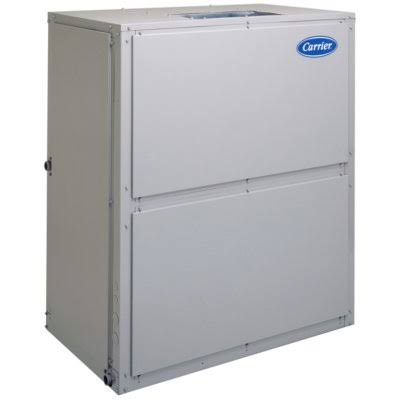
The carrier 10 Ton Packaged Air-Handling Unit is a commercial HVAC solution built for reliable cooling performance in medium- to large-sized buildings such as offices, retail spaces, schools, restaurants, and light industrial facilities. Designed to simplify installation and improve airflow management, this packaged air handler combines cooling capacity, staged fan control, and efficient refrigerant operation in a single compact system. For facilities that need consistent comfort without the complexity of a custom-built setup, the carrier 10 Ton Packaged Air-Handling Unit delivers a practical balance of performance, efficiency, and serviceability.
One of its main advantages is versatility. Depending on the configuration, it can support standard static or high-static applications, variable-speed or staged air volume control, and different refrigerant and electrical setups. That makes it a strong fit for retrofit projects and new construction alike. Typical use cases include zoned cooling, tenant improvement projects, and rooftop or mechanical-room installations where space is limited and dependable airflow is essential.
Estimated pricing for a carrier 10 Ton Packaged Air-Handling Unit generally falls in the mid-to-premium commercial range, with many units and configured packages starting around $9,000 and rising to $18,000 or more depending on options, controls, and installation requirements. Availability is usually good through HVAC distributors, commercial equipment suppliers, and authorized Carrier dealers. Buyers often choose this class of unit for its reputation, parts support, and long service life.
Specifications for Carrier 10 Ton Packaged Air-Handling Unit
- Cooling capacity: 10 tons nominal, suitable for roughly 120,000 BTU class applications.
- Airflow range: Common configurations support about 2,400 to 4,000 CFM, with many setups centered near 3,000 to 5,000 CFM.
- Electrical options: Frequently available in 208/230V, 3-phase, 60 Hz commercial power.
- Refrigerant: Depending on model family, units may use R-410A or newer low-GWP refrigerants in current production lines.
- Fan control: Two-speed fan control, staged air volume, or high-static drive options may be available.
- Efficiency: Many comparable Carrier 10-ton packaged units deliver EER ratings around 11 and IEER ratings in the mid-teens.
- Construction: Commercial cabinet design with aluminum fin/copper tube coils and service-friendly access panels.
- Comparison: Compared with smaller 5-ton packaged air handlers, this unit offers substantially higher airflow and cooling capacity; compared with larger 15-ton systems, it is easier to install, maintain, and balance in medium-load spaces.
For best results, match the unit to the building load calculation, duct static pressure, and ventilation requirements. A properly selected carrier 10 Ton Packaged Air-Handling Unit can improve comfort while avoiding short cycling, noise issues, and excess energy use.
Troubleshooting Carrier 10 Ton Packaged Air-Handling Unit Problems
Common issues with a carrier 10 Ton Packaged Air-Handling Unit usually relate to airflow, thermostat settings, refrigerant performance, or electrical faults. If the system is not cooling properly, first check the thermostat mode, filter condition, and supply/return airflow. A clogged filter or blocked evaporator coil can reduce capacity quickly. If the blower runs but cooling is weak, the problem may involve low refrigerant charge, a faulty expansion device, or compressor control issues.
- Poor airflow: Inspect filters, dampers, blower belts or motor operation, and duct restrictions.
- Unit short cycling: Verify thermostat placement, control wiring, and oversized airflow settings.
- Ice on coil: Clean filters, confirm fan operation, and check refrigerant charge.
- Electrical shutdown: Reset breakers, inspect disconnects, and check for loose connections.
- Unusual noise: Look for loose panels, worn bearings, fan imbalance, or debris in the cabinet.
Many Carrier commercial units display fault conditions through the control board or connected thermostat rather than simple consumer-style error codes. Typical indicators include pressure switch faults, blower motor faults, or communication issues, and these usually require a qualified HVAC technician to diagnose safely. Preventive maintenance should include coil cleaning, filter changes, electrical inspection, and condensate drainage checks. Warranty coverage varies by model and installation status, so owners should verify terms with the selling dealer or Carrier support. For service help, contact an authorized Carrier commercial HVAC dealer or local HVAC contractor familiar with packaged air handlers.
Pros and Cons of Carrier 10 Ton Packaged Air-Handling Unit
Pros
- Strong commercial performance: Handles medium-sized spaces with stable cooling and dependable airflow.
- Flexible configuration: Works well with standard static and high-static duct systems.
- Service-friendly design: Access panels and modular components help reduce maintenance time.
- Good brand support: Carrier has broad parts availability and a large service network.
- Efficient for its class: Efficient fan and compressor options can lower operating costs versus older units.
Cons
- Higher upfront cost: Commercial-grade equipment is more expensive than light-duty alternatives.
- Installation complexity: Requires proper duct design, electrical setup, and professional commissioning.
- Maintenance dependent: Performance drops quickly if filters, coils, or airflow settings are neglected.
- Alternatives may be simpler: Some comparable packaged systems from other brands may be easier to source in certain regions.
Overall, the carrier 10 Ton Packaged Air-Handling Unit offers strong value for buildings that need dependable cooling and manageable service costs over time. It is especially attractive when long-term reliability matters more than the lowest purchase price.
Customer Reviews of Carrier 10 Ton Packaged Air-Handling Unit
Typical user feedback for the carrier 10 Ton Packaged Air-Handling Unit is positive, with many buyers praising reliable cooling, solid construction, and good airflow control. Commercial property managers often rate it around 4.4 out of 5 stars for performance and serviceability. One common compliment is that it maintains comfortable temperatures even under heavy load, while another is that replacement parts are relatively easy to source through Carrier dealers.
Common complaints usually involve installation cost, noise in poorly designed duct systems, and the need for regular maintenance to keep efficiency high. A frequent theme in reviews is that the unit performs best when installed by experienced commercial HVAC professionals. Buyers looking for a dependable packaged air-handling solution generally recommend it for offices, schools, and retail properties where uptime matters.
Buying Guide for Carrier 10 Ton Packaged Air-Handling Unit
Before purchasing a carrier 10 Ton Packaged Air-Handling Unit, confirm the building load, available electrical service, duct static pressure, and ventilation requirements. Choose a configuration that matches the application, whether it is standard cooling, heat-pump duty, or a high-static duct system. Comparing Carrier with similar packaged air handlers from other major brands can help identify the best balance of price, efficiency, and local service support.
For best long-term value, prioritize correct sizing, professional installation, and preventive maintenance. When those factors are in place, this commercial air handling unit can deliver dependable comfort, efficient operation, and a strong return on investment.
Faqs
How do I set up a carrier 10 Ton Packaged Air-Handling Unit for the first time?
What should I check if my carrier 10 Ton Packaged Air-Handling Unit is not cooling or heating properly?
What features make a carrier 10 Ton Packaged Air-Handling Unit suitable for commercial HVAC use?
Is a carrier 10 Ton Packaged Air-Handling Unit compatible with existing ductwork and controls?
Why is my carrier 10 Ton Packaged Air-Handling Unit making unusual noise during operation?
How can I improve the energy efficiency of a carrier 10 Ton Packaged Air-Handling Unit?
How often should I perform maintenance on a carrier 10 Ton Packaged Air-Handling Unit?
What are the most common installation mistakes with a carrier 10 Ton Packaged Air-Handling Unit?
Leave a Comment