
Carrier 59TN7A Condensing Gas Furnace User Manual
Content
Carrier 59TN7A Condensing Gas Furnace Overview
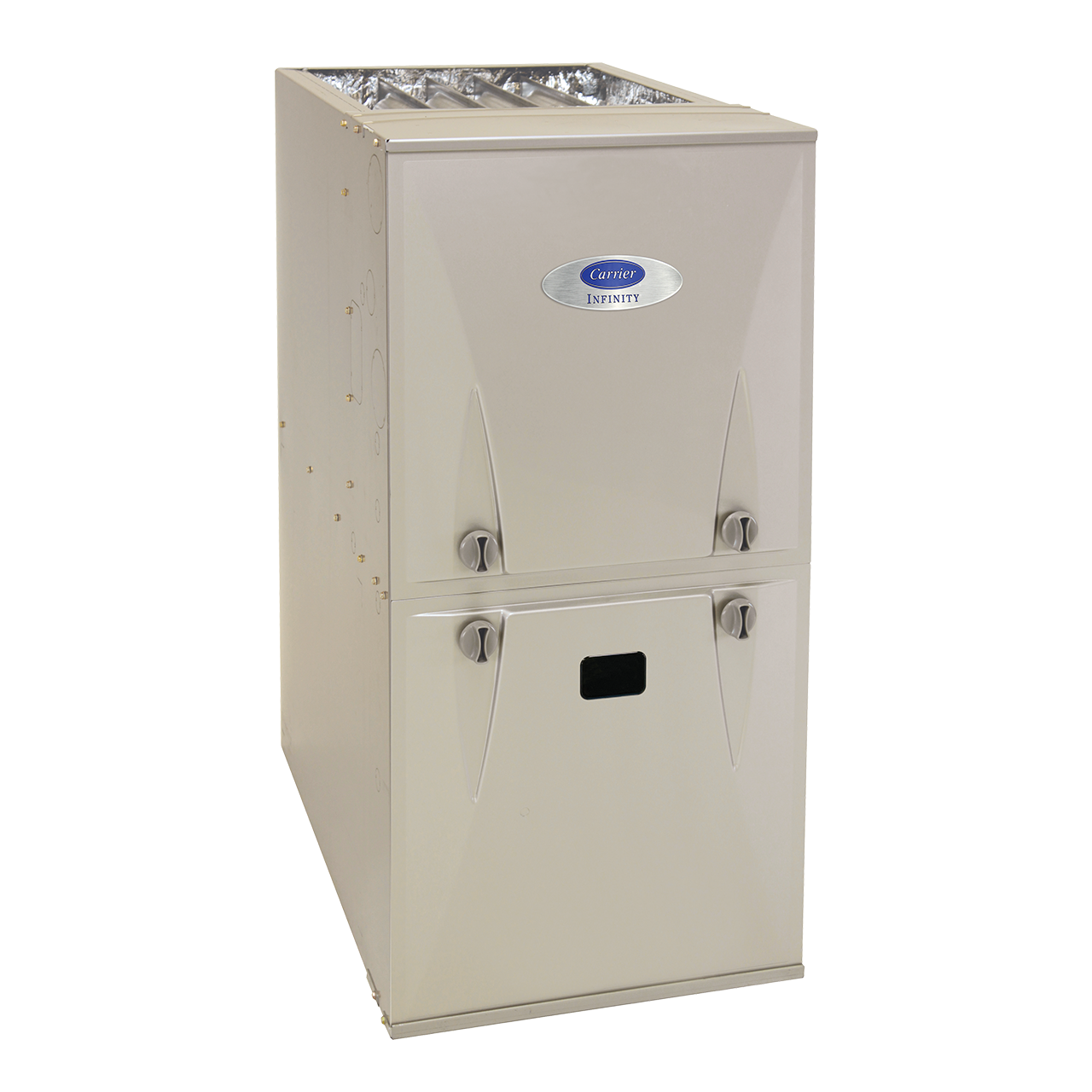
The Carrier 59TN7A condensing gas furnace is a high-efficiency Infinity-series heating system built for homeowners who want strong winter comfort, lower energy use, and quiet operation. With up to 97% AFUE, this furnace converts nearly all of its fuel into usable heat, making it a smart upgrade for energy-conscious households, larger homes, and families that want steadier indoor temperatures. It uses a two-stage gas valve and variable-speed ECM blower technology to deliver more even heating, better airflow control, and improved humidity management compared with basic single-stage furnaces.
The Carrier 59TN7A Condensing Gas Furnace is especially well suited for homes that need precise comfort control, frequent heating cycles, or compatibility with advanced thermostats and communicating HVAC systems. Its compact 35-inch cabinet height helps with installations in tight mechanical spaces, while the condensing design supports higher efficiency and quieter performance. Depending on configuration, it is commonly available in 60,000 to 120,000 BTU input models, with pricing typically varying by size, installation complexity, and regional dealer availability. In many markets, the furnace itself is often found in an estimated range of about $2,500 to $4,500 before installation, with total installed costs usually higher. Availability is generally through Carrier dealers, HVAC distributors, and online equipment suppliers.
For buyers comparing premium gas furnaces, this model stands out for its blend of efficiency, comfort staging, and system intelligence. It is a strong fit for new installations, replacement projects, and homeowners upgrading from older 80% AFUE units.
Detailed Specifications for the Carrier 59TN7A Condensing Gas Furnace
- AFUE efficiency: up to 97% for high-efficiency heating.
- Heating stages: 2-stage gas operation for improved comfort and reduced temperature swings.
- Blower motor: variable-speed ECM motor for smoother airflow and better humidity control.
- Fuel type: natural gas, with propane conversion available on compatible setups.
- Heating input range: approximately 60,000 to 120,000 BTU/h depending on model.
- Cabinet widths: available in multiple sizes for different installation spaces, including narrower and wider chassis options.
- Electrical requirement: 115V operation for standard residential use.
- Design: multipoise condensing gas furnace for flexible installation orientation.
- Heat exchanger system: primary and secondary condensing heat exchanger design for higher thermal efficiency.
- Airflow capability: up to roughly 1,600 to 2,200 CFM depending on configuration.
Compared with mid-range furnaces such as 96% AFUE two-stage models, the Carrier 59TN7A Condensing Gas Furnace typically offers slightly higher efficiency, quieter variable-speed comfort, and better integration with premium thermostat ecosystems. Compared with entry-level single-stage furnaces, it delivers noticeably better comfort consistency and reduced fuel waste.
Troubleshooting the Carrier 59TN7A Condensing Gas Furnace
Common problems often involve airflow, ignition, drainage, or thermostat communication. If the furnace is not heating, check the thermostat setting, filter condition, gas supply, and breaker first. A dirty air filter can restrict airflow and cause shutdowns, while blocked condensate lines may trigger safety lockouts in a condensing furnace.
- No heat: Verify thermostat mode, gas supply, and electrical power.
- Short cycling: Replace clogged filters and confirm the blower and venting are unobstructed.
- Ignition failure: Inspect the hot surface igniter area, gas valve function, and vent pressure.
- Water around the unit: Clear the condensate drain and trap.
- Blower runs continuously: Check thermostat fan settings and control board signals.
On many Carrier communicating furnaces, diagnostic LED flashes or control-board status codes help narrow down the fault, and the exact code meanings should be matched to the unit’s service literature. Preventive maintenance should include annual professional inspection, filter replacement every 1 to 3 months, condensate line cleaning, and regular venting checks.
Warranty coverage and support vary by model and registration status, but Carrier typically supports owners through dealer networks and factory service channels. For help, contact a licensed Carrier dealer, the original installer, or Carrier customer support through the official Carrier service and residential support channels.
Pros and Cons of the Carrier 59TN7A Condensing Gas Furnace
Pros
- Up to 97% AFUE helps reduce gas usage and utility bills.
- Two-stage heating improves comfort during mild and extreme weather.
- Variable-speed ECM blower supports quieter operation and better airflow control.
- Compact cabinet sizing makes installation easier in many homes.
- Strong match for smart thermostats and whole-home comfort systems.
- Excellent value for buyers seeking premium performance over basic furnaces.
Cons
- Higher upfront price than standard single-stage furnaces.
- More complex installation may increase labor costs.
- Condensing design requires drainage and proper venting.
- Advanced controls may be more expensive to repair outside warranty.
- May be more furnace than needed for small homes with limited heating demand.
For value for money, the Carrier 59TN7A Condensing Gas Furnace is strongest in homes that prioritize comfort, efficiency, and long-term operating savings. Compared with lower-cost alternatives, it costs more initially but typically delivers better efficiency and more refined temperature control.
Customer Reviews and Owner Feedback on the Carrier 59TN7A Condensing Gas Furnace
Owner feedback is generally positive, with many users praising the quiet performance, steady heat output, and improved comfort compared with older furnaces. A common rating pattern for premium Carrier Infinity furnaces is around 4.5 out of 5 stars, especially among homeowners who value low noise and even heating.
- Typical praise: “The house feels warmer with fewer temperature swings, and the blower is much quieter than our old unit.”
- Typical praise: “Our energy bills dropped after the upgrade, and the system works well with our smart thermostat.”
- Common complaint: “Installation was expensive because the system needed venting and condensate changes.”
- Common complaint: “Service parts and control issues can be costly if the system is not maintained regularly.”
Most buyers recommend the unit for medium to large homes, especially when replacing a low-efficiency furnace. Homeowners looking for a basic budget model may prefer a simpler alternative, but those wanting a premium condensing gas furnace often view this model as a strong long-term investment.
Final Buying Advice for the Carrier 59TN7A Condensing Gas Furnace
If you want a high-efficiency furnace with advanced comfort control, the Carrier 59TN7A Condensing Gas Furnace is a strong contender. It is best suited to homeowners who want lower energy use, quieter heating, and better temperature consistency, and it becomes even more attractive when paired with professional installation and routine maintenance.
Faqs
How do I set up the Carrier 59TN7A Condensing Gas Furnace for the first time in a new installation?
Why is my Carrier 59TN7A Condensing Gas Furnace not heating the house evenly?
What do I do if the Carrier 59TN7A Condensing Gas Furnace keeps turning on and off too often?
What features of the Carrier 59TN7A Condensing Gas Furnace improve energy efficiency?
Which thermostat works best with the Carrier 59TN7A Condensing Gas Furnace?
How often should I replace the filter on the Carrier 59TN7A Condensing Gas Furnace?
What maintenance does the Carrier 59TN7A Condensing Gas Furnace need each year?
Can the Carrier 59TN7A Condensing Gas Furnace be used in colder climates without losing performance?
More carrier manuals
- Carrier UVCAPXXC2015 Carbon Air Purifier User Manual
- Carrier RAV-AC-1 Electric Cooling/Heat Pump User Manual
- Setup: Carrier SYSTXCCITC01-C Smart Touch Thermostat User Manual
- Carrier 38MURA Single Zone Heat Pump System User Manual
- Carrier EHK3 Electric Heater User Manual
- Carrier 58SB0A Non–Condensing Gas Furnace User Manual
Leave a Comment