
Carrier EHK3 Electric Heater User Manual
Content
Carrier EHK3 Electric Heater Manual and Product Overview
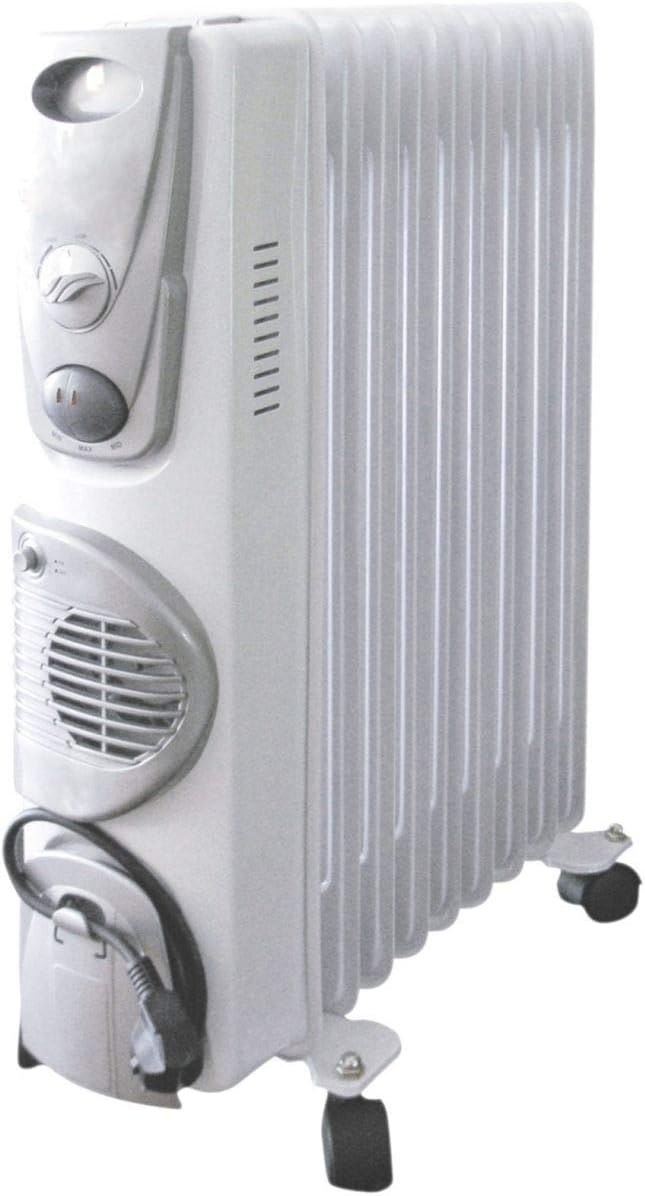
The Carrier EHK3 Electric Heater is a field-installed electric heat kit designed to add reliable supplemental heat to compatible Carrier fan coil and heat pump systems. Built for indoor HVAC applications, the Carrier EHK3 Electric Heater is commonly used in residential air handlers where homeowners want faster warm-up performance, improved comfort during colder weather, and a backup heat source when the heat pump alone is not enough. It is especially useful in climates with seasonal temperature drops, in homes that need more consistent airflow warmth, and in installations where electric resistance heat is preferred for simplicity and dependable output.
One of the main advantages of the Carrier EHK3 Electric Heater is its integrated circuit breaker protection and built-in circuitry that prevents simultaneous operation of electric heat and heat-pump heating mode. This helps improve system safety and supports proper operation. The series is available in multiple capacities, typically 3 kW, 5 kW, 6 kW, 7.5 kW, and 10 kW, allowing technicians to match the heater to the fan coil size and heating demand. Compatibility with Carrier fan coil models in the 18 to 36 size range makes it a practical upgrade for many split-system setups.
For buyers researching the Carrier EHK3 Electric Heater, pricing generally varies by wattage, supplier, and condition. Current market listings suggest a range from budget aftermarket or resale options around the lower end to new retail units priced several hundred dollars. Availability is usually strongest through HVAC supply distributors, online parts sellers, and marketplace listings, though some model variants may be obsolete or limited in stock. This makes it important to verify the exact model number before ordering.
Carrier EHK3 Electric Heater Specifications and Key Features
- Product type: Field-installed electric heater kit for Carrier fan coils and compatible split-system indoor units.
- Available sizes: 3 kW, 5 kW, 6 kW, 7.5 kW, and 10 kW.
- Voltage: 240V models are commonly listed, with some documentation showing performance data at 208V and 240V.
- Protection: Built-in circuit breaker on many versions for added electrical protection.
- Safety control: Prevents simultaneous operation of electric heat and refrigerant heat, supporting proper heat-pump sequencing.
- Compatibility: Designed for select Carrier fan coil families, commonly in sizes 18, 24, 30, and 36.
- Heating performance: Typical heater output ranges from modest supplemental heat to strong backup heating for colder conditions.
- Installation style: Indoor accessory heater mounted inside the fan coil cabinet.
- Airflow requirement: Minimum CFM varies by heater size and unit capacity, making proper duct airflow essential.
- Comparison with similar products: Compared with generic electric heat strips, the Carrier EHK3 Electric Heater offers tighter system integration and better compatibility control, while competing aftermarket kits may be cheaper but less specific to Carrier equipment.
In practical terms, the Carrier EHK3 Electric Heater is best viewed as a comfort and backup-heating accessory rather than a primary heating solution. It is well suited to homes that already use a Carrier heat pump and need improved winter performance without replacing the full indoor unit.
Troubleshooting Carrier EHK3 Electric Heater Problems
When the Carrier EHK3 Electric Heater is not producing heat, start with the basics: confirm power to the air handler, check the breaker, and make sure the thermostat is calling for auxiliary heat. A tripped circuit breaker, loose wiring connection, or dirty blower airflow restriction can prevent the heater from operating correctly. If airflow is too low, the heater may shut down or perform poorly to protect the system.
- No heat output: Check breakers, control wiring, thermostat settings, and heater plug connections.
- Breaker keeps tripping: Verify correct heater size, inspect for shorted wiring, and ensure the circuit is properly rated.
- Weak or uneven heat: Inspect airflow, filter condition, duct restrictions, and blower speed settings.
- Heat pump and electric heat conflict: Confirm that the installed control board and heater interlock are working correctly.
- Burning smell on first startup: Light odor can occur after long idle periods, but persistent odor requires inspection for dust buildup or overheating components.
Common error codes are typically generated by the connected Carrier fan coil or thermostat rather than the heater kit itself, so fault codes should be checked on the full HVAC system display. Preventive care includes regular filter changes, ensuring unobstructed return air, and verifying that all electrical terminations remain tight after installation. Warranty coverage and technical support depend on the seller and product condition, so buyers should confirm warranty terms at purchase. For service, contact the installing HVAC contractor, the parts distributor, or Carrier customer support through the official support channels listed for your region.
Pros and Cons of the Carrier EHK3 Electric Heater
Pros
- Reliable supplemental heat for Carrier heat pump systems.
- Multiple size options make system matching easier.
- Built-in circuit breaker protection on many versions improves safety.
- Integrated design helps maintain compatibility with Carrier fan coils.
- Good value for homeowners who need backup heat without replacing the entire system.
Cons
- Not a standalone heater; it only works with compatible indoor HVAC equipment.
- Some model numbers may be hard to find or listed as obsolete.
- Electric resistance heating can cost more to operate than heat pump heating.
- Installation should be handled by a qualified HVAC technician, adding labor cost.
- Compared with universal heat strips, the Carrier EHK3 Electric Heater may have fewer cross-brand options.
Overall value for money is strong if the heater is purchased for the correct Carrier system and sized properly. For homeowners comparing alternatives, a universal electric heat kit may be cheaper, but the Carrier-specific design is often the safer and more dependable choice for system integration.
Customer Reviews of the Carrier EHK3 Electric Heater
Customer feedback for the Carrier EHK3 Electric Heater is generally positive, with many users rating it around 4 out of 5 stars for reliability and comfort improvement. Buyers frequently praise the fast supplemental heat output, straightforward fit in compatible Carrier fan coils, and the added peace of mind from circuit protection. One common testimonial theme is that the heater noticeably improves winter comfort without requiring a major system upgrade.
Common complaints usually involve pricing, limited availability, and confusion over exact model compatibility. Some users also mention that installation costs can be high if new wiring or airflow adjustments are needed. A typical recommendation from satisfied buyers is to verify the exact EHK3 model number before ordering and to have a licensed HVAC technician confirm sizing. For homeowners needing dependable auxiliary heat, the Carrier EHK3 Electric Heater is often viewed as a smart purchase when matched correctly to the system.
Faqs
How do I set up the carrier EHK3 Electric Heater for the first time?
What Carrier fan coil or air handler models are compatible with the carrier EHK3 Electric Heater?
Why is my carrier EHK3 Electric Heater not turning on?
Does the carrier EHK3 Electric Heater work with the heat pump at the same time?
How do I choose the right kilowatt size for a carrier EHK3 Electric Heater?
What electrical requirements does the carrier EHK3 Electric Heater need?
How can I improve the heating performance of my carrier EHK3 Electric Heater?
How should I maintain and inspect the carrier EHK3 Electric Heater?
More carrier manuals
- Carrier 38MAQ Single Zone Ductless System User Manual
- Setup: Carrier SYSTXCCITC01-C Smart Touch Thermostat User Manual
- Carrier 58SC0A Non-Condensing Gas Furnace User Manual
- Carrier UVCAPXXC2015 Carbon Air Purifier User Manual
- Carrier GB1AAV Induced-Combustion Furnace User Manual
- Carrier 59TN7A Condensing Gas Furnace User Manual
Leave a Comment