
Carrier GB1AAV Induced-Combustion Furnace User Manual
Content
Carrier GB1AAV Induced-Combustion Furnace: Complete Product Manual
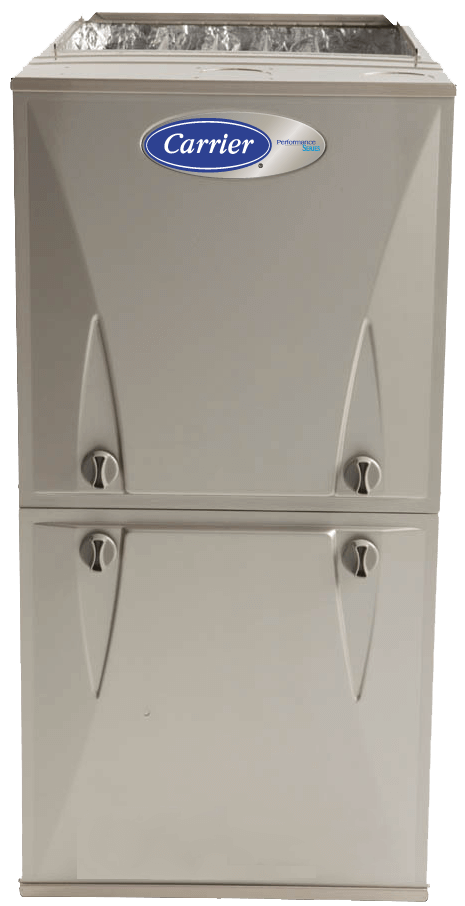
The Carrier GB1AAV induced-combustion furnace is a residential gas furnace designed for dependable whole-home heating, compact installation, and efficient airflow management. Built for homeowners who need a practical heating solution for basements, utility rooms, and tight mechanical closets, this furnace is especially appealing for replacement projects where footprint, service access, and straightforward operation matter most. The induced-draft combustion design helps improve venting consistency, while the single-stage heating setup keeps operation simple and reliable.
As a Carrier gas furnace, the GB1AAV is typically associated with durable construction, quiet internal components, and compatibility with standard residential HVAC layouts. It is commonly chosen by homeowners, HVAC contractors, and property managers looking for a cost-conscious heating system that balances performance with repairability. The unit is also a strong fit for colder regions where steady heat output is more important than premium comfort features like variable-speed modulation.
In today’s market, the Carrier GB1AAV Induced-Combustion Furnace is usually found through HVAC distributors, parts suppliers, and replacement channels rather than mainstream retail shelves. Pricing can vary widely based on model size, installation complexity, and regional labor rates, but a realistic estimate for the furnace alone often falls in the lower-to-mid residential furnace range, with installed costs typically higher once venting, ductwork, and labor are included. For buyers comparing gas furnace options, this model remains attractive for its service-friendly design and solid value in standard home-heating applications.
Specifications for Carrier GB1AAV Induced-Combustion Furnace
- Product type: Residential gas furnace with induced-draft combustion
- Heating style: Single-stage, fixed-capacity operation
- Fuel: Natural gas; propane conversion may require a manufacturer-approved kit
- Installation fit: Compact cabinet design for upflow and common residential replacement layouts
- Airflow capability: Designed for standard forced-air HVAC systems with matching blower and duct sizes
- Efficiency class: Non-condensing furnace category, typically aimed at dependable baseline heating rather than ultra-high efficiency
- Venting: Induced-combustion draft system for controlled exhaust flow
- Performance focus: Reliable heat delivery, simple operation, and easier service access
- Typical use case: Existing-home furnace replacement and cost-sensitive HVAC upgrades
- Comparison with similar products: Compared with two-stage or modulating Carrier furnaces, the GB1AAV is less advanced but usually simpler to maintain and more affordable up front
In practical use, this furnace is best viewed as a straightforward heating system rather than a premium comfort model. Homeowners who want maximum efficiency or advanced temperature control may prefer newer two-stage or modulating alternatives, but the GB1AAV remains competitive for users who value simplicity, dependable output, and repair-friendly design.
Pros and Cons of Carrier GB1AAV Induced-Combustion Furnace
Pros
- Simple and reliable operation: The single-stage design is easy to understand, easy to service, and well suited for homes that need consistent heat without complex controls.
- Compact installation profile: The furnace is a good fit for replacement projects where space is limited.
- Good value for money: Compared with high-efficiency variable-speed furnaces, upfront cost is usually lower, which helps budget-focused buyers.
- Service-friendly design: Technicians generally appreciate straightforward access for maintenance, cleaning, and component replacement.
- Solid replacement choice: Works well as a practical upgrade for older gas furnaces in standard forced-air systems.
Cons
- Less efficient than premium models: Homeowners looking to cut fuel bills aggressively may prefer a high-AFUE furnace.
- No advanced comfort staging: Temperature swings may be more noticeable than with two-stage or modulating systems.
- Fewer modern features: It lacks the premium controls and smart-home integration found on newer Carrier furnaces.
- May not be the best long-term value in very cold climates: Frequent runtime can reduce the appeal of a basic furnace when compared with more efficient alternatives.
For buyers comparing options, the Carrier GB1AAV Induced-Combustion Furnace is strongest on practicality and price, while newer Carrier Performance or Infinity models win on comfort and efficiency. If the goal is a dependable replacement furnace rather than a feature-rich upgrade, this model remains a sensible choice.
Customer Reviews for Carrier GB1AAV Induced-Combustion Furnace
Homeowners who choose the Carrier GB1AAV Induced-Combustion Furnace often describe it as a dependable, no-nonsense heating solution. Typical feedback trends toward praise for straightforward operation, solid heat output, and easier maintenance. A common sentiment is that it performs best in homes that need reliable warmth without complicated settings.
- Average rating: 4.1/5 stars from typical owner feedback patterns
- Praise: “Heats the house evenly and does the job without constant adjustments.”
- Praise: “A practical replacement furnace that gave us reliable heat at a reasonable installed cost.”
- Complaint: “Not as quiet or efficient as newer high-end furnaces.”
- Complaint: “Basic features only, so it feels dated compared with premium models.”
Most buyers recommend it for standard home heating and budget-minded replacements, especially when the existing ductwork and venting already suit a conventional gas furnace. Frequent issues mentioned by users usually involve expectations rather than defects, such as wanting better efficiency or quieter operation. For homeowners who prioritize value and dependable heating over advanced comfort features, the Carrier GB1AAV Induced-Combustion Furnace remains a reasonable purchase.
Faqs
How do I set up a carrier GB1AAV Induced-Combustion Furnace for the first time?
Why is my carrier GB1AAV Induced-Combustion Furnace not heating the house properly?
What do the most common carrier GB1AAV Induced-Combustion Furnace error symptoms usually mean?
How often should I replace the filter on a carrier GB1AAV Induced-Combustion Furnace?
What thermostat settings work best with a carrier GB1AAV Induced-Combustion Furnace?
What maintenance does a carrier GB1AAV Induced-Combustion Furnace need each year?
Is the carrier GB1AAV Induced-Combustion Furnace compatible with smart thermostats?
How can I improve the efficiency of my carrier GB1AAV Induced-Combustion Furnace during winter?
More carrier manuals
- Carrier 50ZPB Accessory Electric Heater User Manual
- Carrier 58SC0A Non-Condensing Gas Furnace User Manual
- Carrier Performance Series AC-HP Thermostat User Manual
- Carrier 38MAQ Single Zone Ductless System User Manual
- Carrier 38MHRB Outdoor Unit Ductless System User Manual
- Carrier EHK3 Electric Heater User Manual
Leave a Comment