
Carrier AquaSnap Air-Cooled Chillers 30RB060-390 User Manual
Content
Carrier AquaSnap Air-Cooled Chillers 30RB060-390 Overview
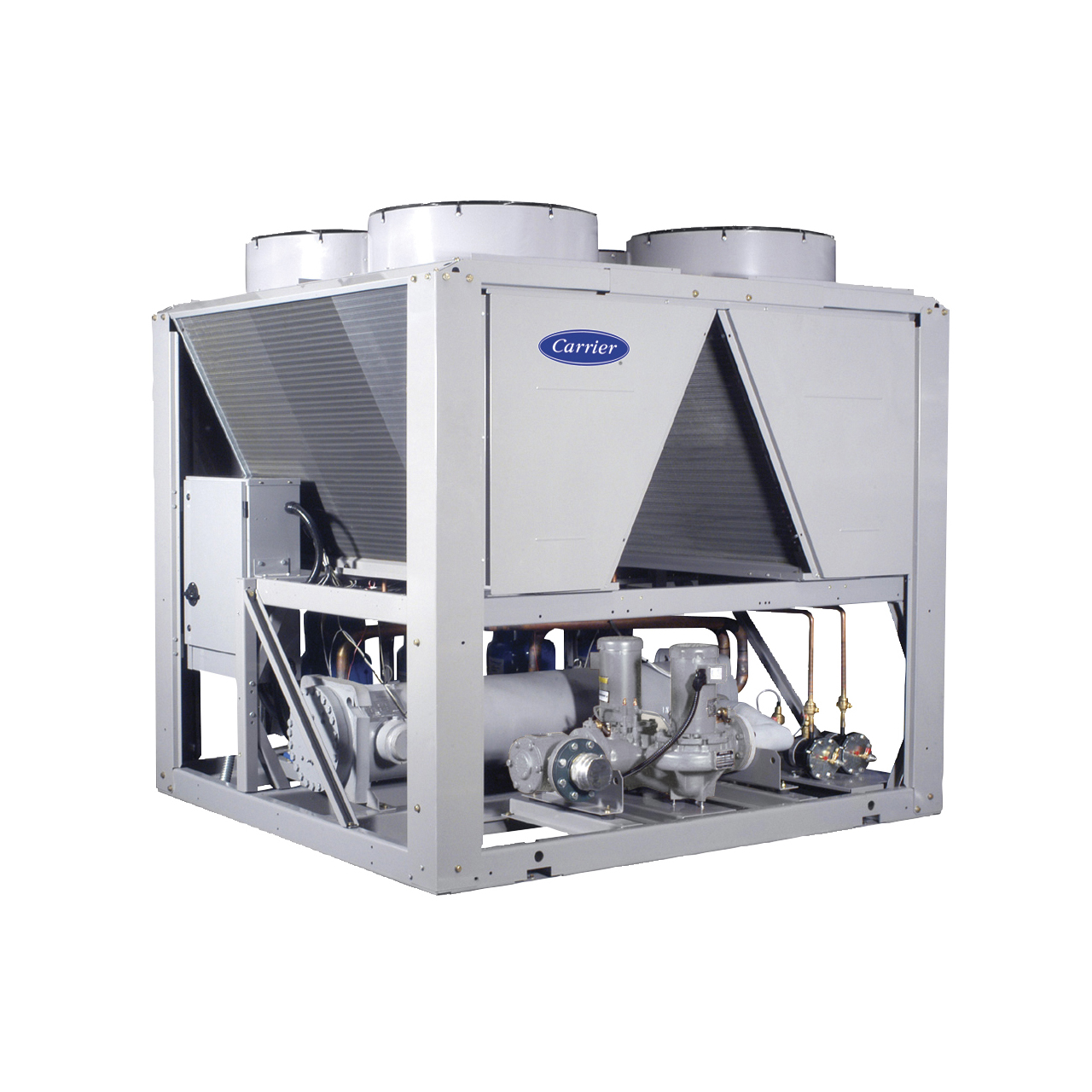
The Carrier AquaSnap Air-Cooled Chillers 30RB060-390 are designed for commercial cooling applications that need dependable performance, efficient operation, and flexible installation. This air-cooled liquid chiller line uses scroll compression, R-410A refrigerant, and Carrier ComfortLink controls to deliver stable cooling for office buildings, schools, hotels, retail spaces, hospitals, and light industrial facilities. With nominal capacities ranging from 60 to 390 tons, the series supports a wide range of loads and system designs.
One of the biggest advantages of the carrier AquaSnap Air-Cooled Chillers 30RB060-390 is the balance between efficiency and ease of maintenance. The platform is known for features such as quiet fan operation, microchannel condenser coil technology, optional hydronic pump packages, and Greenspeed Intelligence on select models for improved part-load performance. For facility teams, this means easier integration, lower operating noise, and strong seasonal efficiency in many climates.
These chillers are ideal for buyers who need a scalable HVAC solution with a strong brand reputation and broad support network. Typical pricing varies widely based on tonnage, options, controls, and installation requirements, but buyers should generally expect a price range from the mid five figures for smaller units to well into six figures for large, highly configured systems. Availability is typically through Carrier commercial distributors, HVAC contractors, and regional equipment suppliers.
Troubleshooting Carrier AquaSnap Air-Cooled Chillers 30RB060-390
Common issues on the carrier AquaSnap Air-Cooled Chillers 30RB060-390 include the unit not starting, reduced cooling capacity, sensor faults, communication alarms, and condenser fan problems. If the chiller does not run, check incoming power, disconnects, overcurrent protection, and control settings before assuming a major failure. If cooling output drops, inspect refrigerant charge, airflow around the condenser, water flow, and fouled coils.
Frequently reported alarm conditions include communication loss with compressor boards, sensor out-of-range faults, and compressor overheating alerts. In many cases, these are caused by loose wiring, damaged probes, poor airflow, or interrupted power. Resetting the control after correcting the root cause often restores normal operation. Preventive measures should include scheduled coil cleaning, verification of refrigerant charge, inspection of electrical connections, and regular checks of fan rotation and water-side flow.
Warranty coverage depends on the original purchase terms, registration status, and local distributor policies. For support, contact a Carrier commercial HVAC distributor or authorized service partner. If you need assistance with coverage or service coordination, Carrier customer care can also be reached through its main support channels, and having the unit serial number ready will speed up help.
Pros and Cons of Carrier AquaSnap Air-Cooled Chillers 30RB060-390
Pros
- Wide capacity range from 60 to 390 tons, making it suitable for small and large commercial projects.
- Reliable scroll compressor design that supports steady operation and straightforward servicing.
- Energy-saving options such as Greenspeed Intelligence and variable fan control on select configurations.
- ComfortLink controls improve monitoring, diagnostics, and day-to-day system management.
- Strong value for facilities that want a durable commercial air-cooled chiller with established brand support.
Cons
- Higher upfront cost than many basic air-cooled chillers, especially with advanced options.
- Large units require careful space planning and proper airflow clearance.
- Performance depends heavily on installation quality, maintenance discipline, and control setup.
- Some buyers may prefer alternative chillers with simpler controls or lower initial cost for budget projects.
Compared with lower-cost alternatives, the carrier AquaSnap Air-Cooled Chillers 30RB060-390 usually offers better controls, broader configuration flexibility, and stronger long-term serviceability, which can justify the higher investment for mission-critical facilities.
Customer Reviews for Carrier AquaSnap Air-Cooled Chillers 30RB060-390
Typical user feedback highlights solid cooling performance, dependable operation, and responsive control features. Many facility managers rate the platform around 4.3 out of 5 stars for reliability and ease of integration. One maintenance supervisor noted, “The controls made startup easier than expected, and the unit has held temperature well under changing load conditions.”
Common praise focuses on quiet operation, strong part-load efficiency, and good support from experienced HVAC technicians. Common complaints usually involve installation complexity, premium pricing, and occasional sensor or communication alarms that require trained service support. Most buyers recommend the system for commercial sites that prioritize long-term performance over lowest initial cost.
For best results, customers frequently suggest choosing the right size carefully, scheduling preventive maintenance, and using an authorized Carrier installer. That approach helps reduce downtime and makes the carrier AquaSnap Air-Cooled Chillers 30RB060-390 a more dependable investment for commercial cooling needs.
Faqs
How do I set up Carrier AquaSnap Air-Cooled Chillers 30RB060-390 for the first time?
What should I do if Carrier AquaSnap Air-Cooled Chillers 30RB060-390 is not cooling properly?
Which features of Carrier AquaSnap Air-Cooled Chillers 30RB060-390 help improve energy efficiency?
Can Carrier AquaSnap Air-Cooled Chillers 30RB060-390 connect to a building automation system?
What ambient temperature range is supported by Carrier AquaSnap Air-Cooled Chillers 30RB060-390?
How often should Carrier AquaSnap Air-Cooled Chillers 30RB060-390 be maintained?
Why does Carrier AquaSnap Air-Cooled Chillers 30RB060-390 keep tripping on alarms?
What installation requirements are important for Carrier AquaSnap Air-Cooled Chillers 30RB060-390?
Leave a Comment