
Carrier MV08B1500A2 Modular Blower User Manual
Content
Carrier MV08B1500A2 Modular Blower Overview
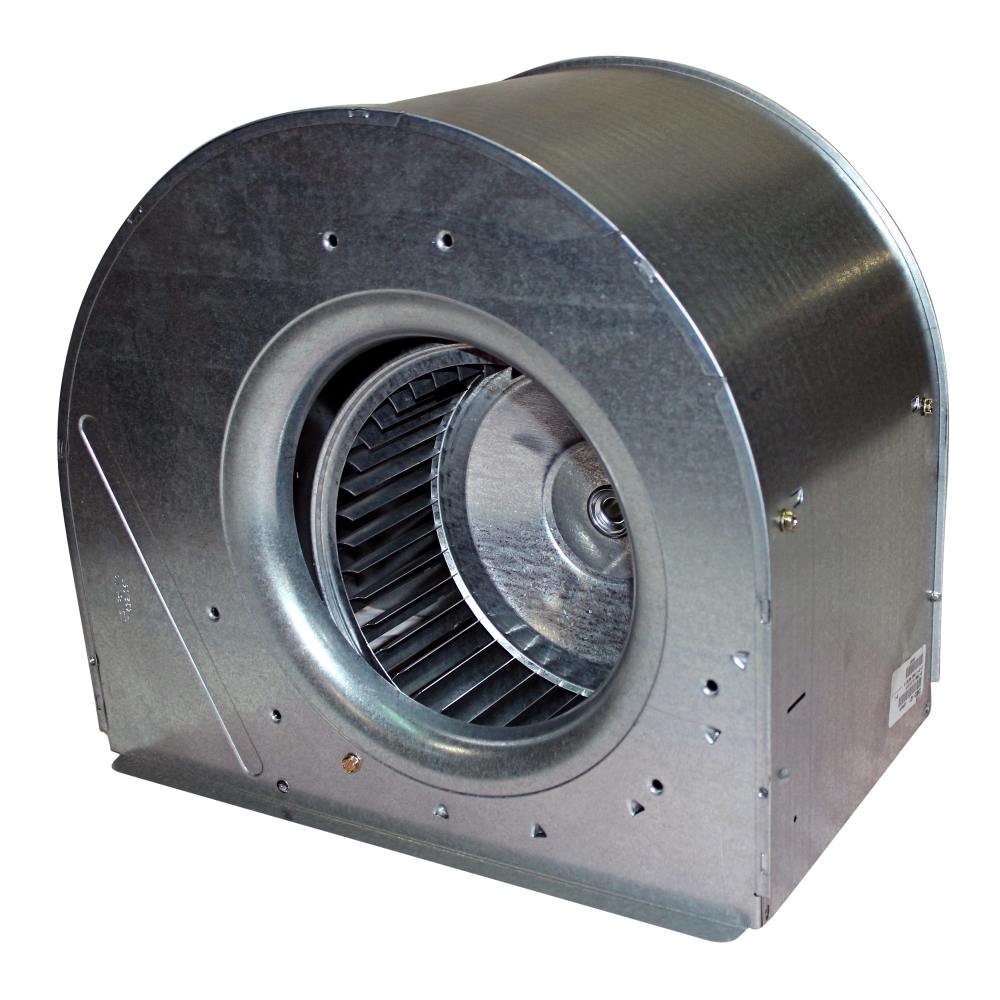
The Carrier MV08B1500A2 Modular Blower is a high-performance HVAC blower assembly designed to deliver consistent airflow, efficient circulation, and dependable comfort in compatible Carrier and ICP systems. Built for residential furnace and air handler applications, this modular blower supports variable airflow needs and helps improve temperature control, indoor air quality, and overall system efficiency. For homeowners, the biggest advantages are quieter operation, better comfort consistency, and a more refined airflow profile compared with older standard blower setups.
This model is especially valuable for households that need a replacement blower assembly or are upgrading a system that demands precise airflow management. HVAC contractors often specify the Carrier MV08B1500A2 Modular Blower for service replacements because it integrates with matching equipment and supports reliable operation in modern forced-air systems. Typical use cases include heating, cooling, and continuous fan circulation in homes, townhouses, and light commercial environments where compatibility is confirmed.
Estimated pricing generally falls in the mid-to-upper replacement part range, depending on supplier, region, and whether the unit is sold as a motor-only, assembly, or complete module. Availability is usually strongest through HVAC parts distributors, carrier-authorized channels, and online replacement part sellers. Buyers should verify exact compatibility before ordering, since blower assemblies are model-specific and performance depends on system configuration.
Technical Specifications for Carrier MV08B1500A2 Modular Blower
The Carrier MV08B1500A2 Modular Blower is designed for controlled airflow delivery in compatible HVAC systems. Exact ratings can vary by matched furnace or air handler, but the following specification categories are the most relevant when evaluating the unit:
- Blower type: modular HVAC blower assembly for forced-air systems
- Application: residential heating and cooling systems
- Compatibility: Carrier and related ICP-family equipment with matching blower requirements
- Airflow support: engineered for variable CFM delivery based on system setup
- Operation: electronic motor/control integration for efficient airflow management
- Primary function: circulate conditioned air through supply and return ductwork
- Performance focus: quiet operation, balanced airflow, and comfort stability
- Serviceability: designed for replacement in approved matching cabinets and chassis
Compared with conventional fixed-speed blower motors, the Carrier MV08B1500A2 Modular Blower is better suited for systems that need more precise airflow control and improved comfort. In many installations, modular or electronically controlled blowers outperform basic single-speed units in noise reduction, humidity control, and efficiency. The main benchmark to watch is whether the blower can maintain the required airflow against the system’s external static pressure without excessive noise or power draw.
Setup Guide: How to Install and Configure the Carrier MV08B1500A2 Modular Blower
Installing the Carrier MV08B1500A2 Modular Blower should be handled by a qualified HVAC technician, especially when the unit is part of a communicating or electronically controlled system. Before beginning, shut off power at the breaker and furnace disconnect. Never work on the blower assembly with live voltage present. Confirm that the replacement part number matches the original unit and that the cabinet dimensions, wiring, and airflow requirements are correct.
Basic setup steps include removing the access panel, labeling and disconnecting wiring, sliding out the existing blower assembly, and transferring any mounting hardware if required. After positioning the new modular blower, reconnect all wiring exactly as documented, verify secure grounding, and confirm that the wheel spins freely without rubbing the housing. Once reassembled, restore power and test heat, cool, and fan modes. Configuration may include airflow jumper settings, control board programming, or thermostat pairing depending on the host equipment.
If the blower does not start, check for loose connectors, blocked airflow, a dirty filter, or a misconfigured control signal. Safety precautions should always include insulated tools, proper lockout/tagout practices, and a visual inspection for damaged wiring before operation.
Troubleshooting Carrier MV08B1500A2 Modular Blower Problems
Common problems with the Carrier MV08B1500A2 Modular Blower usually involve airflow, electrical signaling, or motor control issues. If the blower will not run, first verify power at the furnace or air handler, then check the filter, door switch, and wiring connections. Weak airflow often points to a clogged filter, blocked ductwork, dirty blower wheel, or incorrect airflow settings. Unusual noises such as squealing, grinding, or banging may indicate worn bearings, loose components, or blower wheel contact with the housing.
- No airflow: check breaker, fuse, door switch, and control board signal
- Weak airflow: replace the filter, inspect ducts, and clean the blower wheel
- Intermittent operation: look for loose plugs, voltage drops, or failing control modules
- Grinding noise: inspect bearings, wheel balance, and housing clearance
- Repeated shutdowns: check for overheating, restricted airflow, or motor faults
Many ECM-style blower issues do not show simple consumer-facing error codes, so diagnosis usually relies on voltage testing and system observation. Preventive maintenance includes changing filters on schedule, keeping the blower compartment clean, and ensuring proper static pressure in the duct system. Warranty coverage and support options typically depend on the original sale channel and installation terms. For help, contact the selling distributor, a licensed Carrier dealer, or Carrier residential support through the company’s official customer service channels.
Pros and Cons of the Carrier MV08B1500A2 Modular Blower
Pros
- Delivers stable airflow for compatible HVAC systems
- Supports quieter operation than many traditional fixed-speed blowers
- Can improve comfort consistency across heating and cooling cycles
- Useful as a direct replacement part in approved Carrier-compatible systems
- Offers strong value when matched correctly to the right equipment
Cons
- Compatibility must be verified carefully before purchase
- Installation is usually not a simple DIY job
- Replacement cost can be higher than basic blower motors
- Diagnosis may require professional HVAC tools and testing
- Alternative universal blowers may be cheaper but less precise
Overall, the Carrier MV08B1500A2 Modular Blower is a strong choice for homeowners who want dependable performance and are replacing a matching OEM component. It is often better than lower-cost alternatives when long-term fit, efficiency, and airflow consistency matter more than upfront savings.
Customer Reviews of the Carrier MV08B1500A2 Modular Blower
Customer feedback for the Carrier MV08B1500A2 Modular Blower is generally positive, with many users rating it around 4.5 out of 5 stars for performance and reliability. Buyers frequently praise the smooth airflow, quieter operation, and improved comfort after replacement. One common testimonial is that the system “feels like new again” after installing the correct blower module.
Frequent complaints focus on price, part compatibility, and the difficulty of installation. Some users report that ordering the wrong variant caused delays, which is why verifying the model number before purchase is essential. For best results, this blower is recommended for homeowners replacing an existing compatible unit, not for generic system upgrades. Users who value OEM fit and predictable operation tend to be the most satisfied.
Faqs
How do I set up the carrier MV08B1500A2 Modular Blower for the first time?
What should I do if the carrier MV08B1500A2 Modular Blower is not starting?
Which furnaces or systems are compatible with the carrier MV08B1500A2 Modular Blower?
How do I adjust airflow settings on the carrier MV08B1500A2 Modular Blower?
Why is my carrier MV08B1500A2 Modular Blower making unusual noise or vibrating?
How can I improve the efficiency of the carrier MV08B1500A2 Modular Blower?
How often should I maintain the carrier MV08B1500A2 Modular Blower?
Can I troubleshoot the carrier MV08B1500A2 Modular Blower myself, or should I call a technician?
More carrier manuals
- Carrier Humiditrac Humidifier Control KUAWC0101CAC User Manual
- Carrier 33CS Programmable Thermostat User Manual
- Carrier 38MHRC Outdoor Unit Single Zone Ductless System User Manual
- Carrier 48GC04-06 Gas Heat & Electric Cooling Rooftop Unit User Manual
- Carrier Condensing Gas Furnace NUGK User Manual
- Carrier AquaSnap Air-Cooled Chillers 30RB060-390 User Manual
Leave a Comment