
Carrier Condensing Gas Furnace NUGK User Manual
Content
Carrier Condensing Gas Furnace NUGK: Complete Product Manual
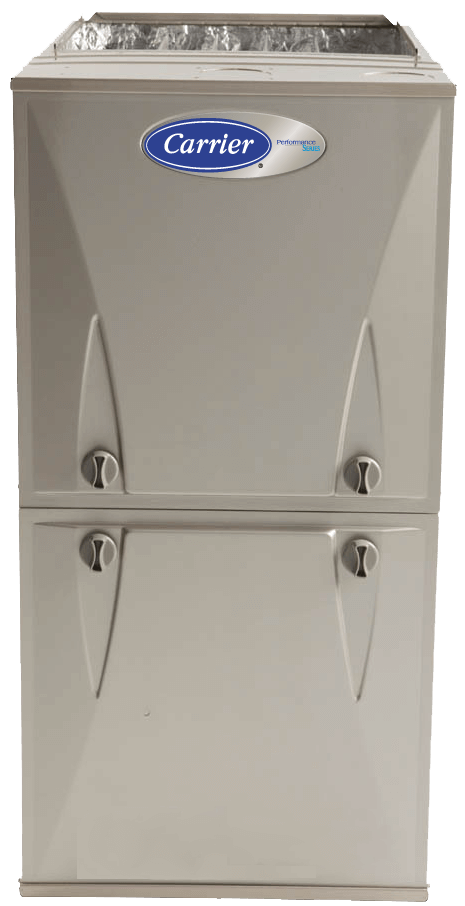
Introduction: Carrier Condensing Gas Furnace NUGK Overview
The Carrier Condensing Gas Furnace NUGK is a high-efficiency home heating solution designed for reliable comfort, lower fuel use, and quiet operation. Built for homeowners who want dependable forced-air heating with modern efficiency, this condensing gas furnace is well suited for replacement projects, new installations, and upgraded HVAC systems in small to medium homes. It is especially appealing to buyers looking for steady airflow, improved temperature control, and long-term energy savings.
As a condensing gas furnace, the carrier Condensing Gas Furnace NUGK captures more heat from combustion gases than older non-condensing models, which helps improve seasonal efficiency and reduce heating bills. Typical benefits include sealed combustion, enhanced moisture-resistant performance, and compatibility with modern thermostats and multistage HVAC setups. Depending on the exact configuration, this product line is positioned for homeowners who want a balance of performance, durability, and value without moving into premium variable-speed systems.
Estimated pricing generally falls in the mid-range for residential furnaces, often around $2,000 to $4,500 for the unit itself, with total installed cost varying by home size, labor, venting, and accessories. Availability is typically strongest through HVAC dealers, distributors, and Carrier-authorized installers. For best results, buyers should confirm the exact model number, cabinet size, airflow rating, and fuel compatibility before purchase.
Specifications: Carrier Condensing Gas Furnace NUGK Technical Details
- Type: High-efficiency condensing gas furnace
- Fuel: Natural gas, with some configurations adaptable to LP conversion
- Heat exchanger design: Primary and secondary heat exchangers for improved fuel efficiency
- Efficiency: Typically in the 90%+ AFUE class, depending on the exact configuration
- Blower motor: ECM motor for better airflow control and quieter operation
- Installation format: Multi-position cabinet options in many residential applications
- Ignition system: Hot surface ignition for dependable start-up
- Thermostat compatibility: Standard and smart thermostat support, depending on controls
- Airflow performance: Suited for whole-home forced-air distribution
- Noise profile: Lower operating noise than many older single-stage furnaces
Compared with standard 80% AFUE furnaces, the carrier Condensing Gas Furnace NUGK offers better fuel utilization, less wasted heat, and reduced exhaust temperature. Compared with premium modulating furnaces, it may have fewer advanced staging options, but it still delivers strong value for homeowners focused on efficiency and dependable heating performance.
Setup Guide: How to Install and Configure the Carrier Condensing Gas Furnace NUGK
Installation should be completed by a licensed HVAC professional because gas, venting, drainage, and electrical connections must meet local code requirements. Before setup, verify the furnace model, cabinet dimensions, gas type, venting layout, and airflow needs for your home.
- Step 1: Turn off electrical power and gas supply before any work begins.
- Step 2: Position the furnace on a level, code-compliant surface with proper clearance.
- Step 3: Connect the supply and return ductwork, making sure joints are sealed tightly.
- Step 4: Install the venting system and condensate drain according to manufacturer requirements.
- Step 5: Connect the gas line, check for leaks, and confirm pressure settings.
- Step 6: Wire the thermostat and control board, then configure heat settings and blower speed.
- Step 7: Restore power, run a test cycle, and inspect ignition, airflow, and drainage.
Pairing and connectivity usually involve thermostat setup rather than wireless furnace pairing, unless your system includes a smart thermostat. If the furnace does not start, check the breaker, thermostat batteries, gas valve position, and condensate drain switch. Safety warnings are critical: never operate the unit with blocked vents, gas odor, damaged wiring, or a disconnected drain line.
Troubleshooting: Common Carrier Condensing Gas Furnace NUGK Problems and Fixes
Most issues with the carrier Condensing Gas Furnace NUGK are related to airflow, ignition, drainage, or thermostat communication. Start with basic checks before assuming a major part failure.
- Problem: Furnace will not turn on. Solution: Check breaker, switch, thermostat settings, and gas supply.
- Problem: Blower runs but no heat. Solution: Inspect ignition sequence, flame sensor, and gas valve operation.
- Problem: Short cycling. Solution: Replace dirty filters, verify airflow, and inspect thermostat placement.
- Problem: Water around furnace. Solution: Clear condensate drain lines and check the condensate trap.
- Problem: Weak airflow. Solution: Clean filters, inspect duct restrictions, and confirm blower settings.
Common error codes vary by control board revision, but many furnace fault codes point to ignition failure, pressure switch issues, or flame sensing problems. If a fault persists after resetting power, contact a qualified HVAC technician. Preventive maintenance includes replacing filters regularly, cleaning the flame sensor, checking drain lines, and scheduling annual tune-ups. Warranty support and service should be handled through Carrier-authorized dealers or the installer who completed the original setup.
For help, contact your local Carrier dealer, the installing contractor, or Carrier residential support through official customer service channels listed in product documentation.
Pros & Cons of the Carrier Condensing Gas Furnace NUGK
Pros
- High-efficiency condensing design helps reduce heating costs.
- ECM blower motor supports quieter and more consistent airflow.
- Reliable hot surface ignition improves start-up performance.
- Good value for homeowners upgrading from older furnaces.
- Compatible with modern thermostat controls in many setups.
Cons
- Requires professional installation, which increases total cost.
- Condensate management adds maintenance compared with non-condensing models.
- May not offer the advanced modulation found in premium alternatives.
- Performance depends heavily on correct sizing and duct design.
For value for money, the carrier Condensing Gas Furnace NUGK is a strong middle-ground choice. It is often more affordable than top-tier variable-speed furnaces while still delivering meaningful efficiency gains over standard models. If you want maximum comfort customization, a premium Carrier Infinity model may be better; if you want dependable efficiency at a lower price, this model is a practical option.
Customer Reviews: What Buyers Say About Carrier Condensing Gas Furnace NUGK
Average customer sentiment is generally positive, with many owners rating the furnace around 4.3 out of 5 stars. Buyers often praise the quiet operation, steady heating, and lower winter energy bills. One common testimonial is, “It heats our home evenly and runs much quieter than our old furnace.”
Frequent complaints usually focus on installation quality, condensate maintenance, or the need for a knowledgeable HVAC technician. Some users mention that performance improves significantly after proper duct balancing and thermostat calibration. Many homeowners recommend the unit for dependable everyday heating, especially when installed by an experienced contractor and maintained annually.
Frequently Asked Questions
Is the Carrier Condensing Gas Furnace NUGK energy efficient?
Yes. As a condensing furnace, it is designed to recover more heat from exhaust gases than standard non-condensing units.
Does it work with a smart thermostat?
In many installations, yes. Compatibility depends on the control board and the overall HVAC configuration.
How often should it be serviced?
Annual professional maintenance is recommended, along with regular filter replacement during heating season.
Who should install it?
A licensed HVAC professional should handle installation, setup, and gas connection work.
Faqs
How do I set up carrier Condensing Gas Furnace NUGK for the first time?
What should I do if my carrier Condensing Gas Furnace NUGK is not heating properly?
How do I know if my carrier Condensing Gas Furnace NUGK is compatible with my thermostat and home setup?
What are the key features of carrier Condensing Gas Furnace NUGK that improve efficiency?
Why does my carrier Condensing Gas Furnace NUGK keep short cycling?
How often should I perform maintenance on carrier Condensing Gas Furnace NUGK?
What causes error codes or blinking lights on carrier Condensing Gas Furnace NUGK?
How can I improve the performance of my carrier Condensing Gas Furnace NUGK during cold weather?
Leave a Comment