
Carrier 38MHRC Outdoor Unit Single Zone Ductless System User Manual
Content
Carrier 38MHRC Outdoor Unit Single Zone Ductless System: Complete Product Manual and Buyer Guide
Introduction
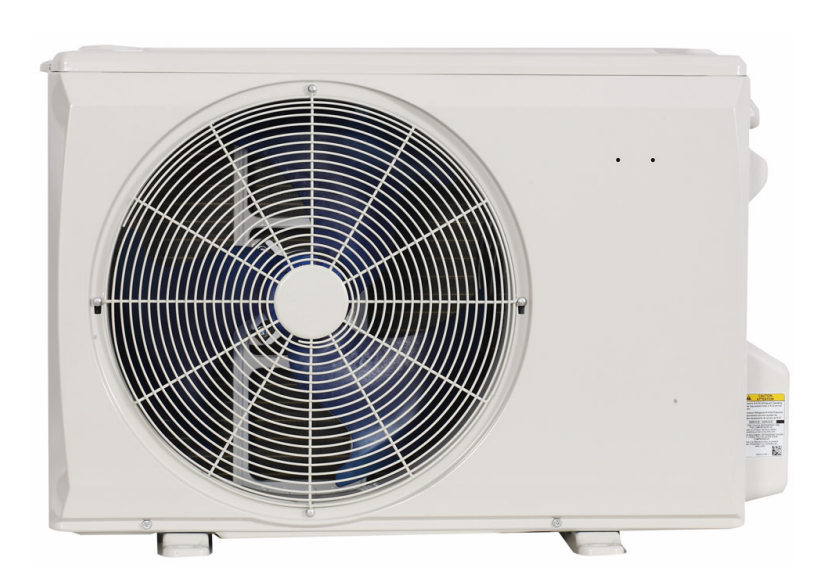
The Carrier 38MHRC Outdoor Unit Single Zone Ductless System is a compact, high-efficiency outdoor heat pump designed for one-room comfort, targeted cooling, and year-round heating support. Built for homeowners, property managers, and light-commercial users, this ductless outdoor unit is a strong fit for spaces where conventional ductwork is impractical, expensive, or impossible to install. It is commonly used in bedrooms, home offices, additions, garages, sunrooms, and small apartments.
One of the biggest advantages of the Carrier 38MHRC Outdoor Unit Single Zone Ductless System is its inverter-driven performance, which helps maintain steady temperatures while reducing energy waste. Users also benefit from quiet operation, flexible installation, and compatibility with matching indoor ductless air handlers. Depending on model size and configuration, the system can deliver efficient cooling and heating with strong seasonal performance ratings that compare favorably with many entry-level mini split systems.
This product is typically priced in the mid-range ductless category, with outdoor unit costs often falling around $900 to $2,000 or more before installation, depending on capacity, voltage, and regional availability. Complete installed system pricing is usually higher. Availability varies by dealer and distributor, but the Carrier brand remains widely supported through HVAC supply channels and certified installers.
Specifications and Key Features of the Carrier 38MHRC Single Zone Outdoor Unit
- System type: single-zone ductless outdoor heat pump
- Refrigerant: R-410A
- Compressor: rotary inverter for variable-speed operation
- Electrical options: common models include 208/230V, 1 phase, 60 Hz
- Cooling capacity range: typically 9,000 to 24,000 BTU/h depending on model
- Heating support: heat pump operation for both cooling and heating
- Efficiency: model-dependent SEER values commonly in the mid-to-high teens, with strong EER and HSPF performance
- Maximum piping length: up to 82 feet on many versions, with significant vertical lift allowance
- Outdoor sound levels: generally quiet for its class, often in the low-to-mid 50 dBA range depending on capacity
- Cabinet dimensions: compact outdoor footprint for easier placement on wall brackets, pads, or rooftop stands
Compared with many similar single-zone mini split outdoor units, the Carrier 38MHRC Outdoor Unit Single Zone Ductless System stands out for reliable brand support, solid inverter control, and broad model sizing. It is a strong alternative to budget ductless systems when long-term performance and serviceability matter more than the lowest upfront price.
How to Set Up the Carrier 38MHRC Outdoor Unit Single Zone Ductless System
Setup should always be completed by a licensed HVAC technician. Begin by selecting a stable outdoor location with proper airflow, service clearance, and protection from direct obstructions. Mount the unit on a concrete pad, wall bracket, or roof stand that can support the full operating weight and vibration load.
Next, connect the refrigerant lines to the matching indoor unit, verify the liquid and suction line sizes, and follow the required torque specifications. Route the communication cable and power wiring according to the installation manual, then confirm voltage, breaker size, and grounding. After the refrigerant circuit is pressure-tested and evacuated, the technician should open the service valves and check for leaks.
Configuration options may include cooling-only priorities, heating mode control, fan speed settings on the indoor unit, and remote temperature sensing through the paired controller. If the system does not start, check line voltage, communication wiring, and indoor-outdoor compatibility first. Never energize the unit without proper refrigerant charge, and never attempt refrigerant handling without certification.
Troubleshooting Common Carrier 38MHRC Outdoor Unit Problems
If the system does not cool effectively, the most common causes are low refrigerant charge, blocked airflow, dirty filters, or undersized line set installation. If heating performance is weak, inspect the outdoor coil for frost buildup and verify that defrost mode is operating normally.
- No power: check breaker, disconnect switch, and wiring connections
- Unit runs but does not cool: verify refrigerant charge and indoor airflow
- Short cycling: inspect thermostat settings, sensor placement, and communication wiring
- Noise or vibration: confirm level installation and tighten mounting hardware
- Ice on outdoor coil: check airflow, ambient conditions, and defrost operation
Common error codes on ductless systems usually relate to communication faults, sensor issues, or protection lockouts, and they should be diagnosed using the model-specific service manual. Preventive care includes cleaning coils, checking drainage, inspecting insulation, and scheduling annual HVAC maintenance. Warranty coverage and technical support are usually available through Carrier-authorized dealers, distributors, and local licensed contractors. For help, contact the original installer or a Carrier dealer service department.
Pros and Cons of the Carrier 38MHRC Outdoor Unit Single Zone Ductless System
Pros
- Efficient inverter-driven comfort with better temperature stability than basic on/off systems
- Quiet outdoor operation, making it suitable for homes and light commercial spaces
- Flexible installation for rooms without ductwork
- Strong brand reputation and wide service familiarity
- Good value for users who want long-term reliability rather than a bargain-basement unit
Cons
- Requires professional installation, which increases total cost
- Outdoor unit and indoor unit must be matched correctly for compatibility
- Replacement parts and labor can be more expensive than some off-brand alternatives
- Efficiency and sound levels vary by exact capacity model
For buyers comparing ductless mini split systems, the Carrier 38MHRC Outdoor Unit Single Zone Ductless System offers a balanced mix of performance, brand trust, and installation flexibility. It is often a better long-term investment than lower-cost alternatives, especially in rooms that need consistent heating and cooling throughout the year.
Customer Reviews and Real-World Feedback
Typical customer ratings for ductless Carrier systems are often around 4 out of 5 stars, with users praising comfort, quiet operation, and energy savings. One common testimonial is, “It keeps my home office comfortable all day without loud cycling or drafts.” Another frequent comment is, “The system works great, but professional installation was a must.”
Positive feedback usually highlights reliable temperature control, compact outdoor placement, and strong heating performance for a single-zone setup. Common complaints focus on installation costs, model selection confusion, and occasional service delays when parts are needed. Buyers who want a proven, efficient ductless outdoor unit often recommend the system, especially when paired with proper sizing and expert installation.
If you are shopping for a dependable single-zone ductless heat pump, the Carrier 38MHRC Outdoor Unit Single Zone Ductless System is a solid choice for comfort, efficiency, and long-term usability.
Faqs
How do I set up the Carrier 38MHRC Outdoor Unit Single Zone Ductless System for first-time installation?
What should I check if my Carrier 38MHRC Outdoor Unit Single Zone Ductless System is not cooling properly?
Is the Carrier 38MHRC Outdoor Unit Single Zone Ductless System compatible with any indoor ductless unit?
What are the main features of the Carrier 38MHRC Outdoor Unit Single Zone Ductless System?
Why is my Carrier 38MHRC Outdoor Unit Single Zone Ductless System making unusual noise?
How often should I maintain the Carrier 38MHRC Outdoor Unit Single Zone Ductless System?
What electrical requirements does the Carrier 38MHRC Outdoor Unit Single Zone Ductless System need?
How can I improve efficiency on the Carrier 38MHRC Outdoor Unit Single Zone Ductless System?
More carrier manuals
- Carrier Condensing Gas Furnace NUGK User Manual
- Carrier Humiditrac Humidifier Control KUAWC0101CAC User Manual
- Carrier 31CSA1001D Air Purifier User Manual
- Carrier MV08B1500A2 Modular Blower User Manual
- Carrier CNPVP Heating & Cooling Cased N Coils User Manual
- Carrier 33CS Programmable Thermostat User Manual
Leave a Comment