
Carrier CNPVP Heating & Cooling Cased N Coils User Manual
Content
Carrier CNPVP Heating & Cooling Cased N Coils: Product Overview
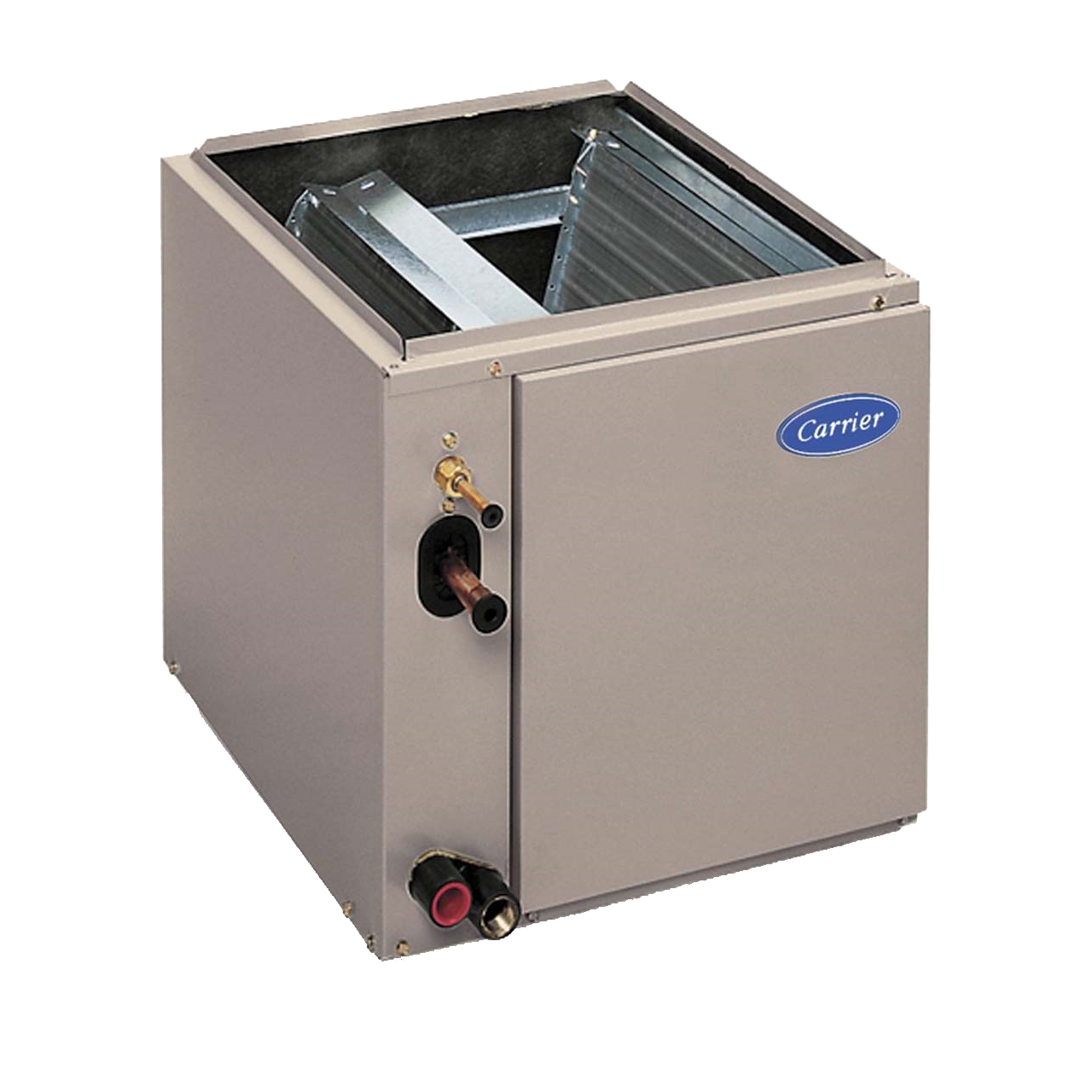
The Carrier CNPVP Heating & Cooling Cased N Coils are vertical evaporator coils designed for reliable upflow and downflow HVAC applications. Built with an all-aluminum coil and a durable galvanized steel cabinet, this cased N coil line is engineered to support efficient heat transfer, long service life, and clean integration with compatible Carrier systems. Homeowners, contractors, and HVAC installers often choose this product for replacement projects, new installations, and system upgrades where compact fit, dependable cooling performance, and straightforward furnace pairing matter most.
One of the biggest advantages of the Carrier CNPVP Heating & Cooling Cased N Coils is its versatility. The series supports multiple tonnage options, making it suitable for a wide range of residential comfort systems. It is commonly used with Puron or R-410A refrigerant systems and is available in cabinet widths that fit different furnace configurations. This makes it a practical choice for retrofits and matched system installations where space, airflow direction, and coil compatibility must align precisely.
Typical price ranges vary by tonnage, cabinet width, and supplier, but most units generally fall between the mid-hundreds and low-thousands of dollars depending on configuration and market availability. These coils are commonly sold through HVAC distributors, online equipment retailers, and contractor supply channels. For buyers looking for a dependable, efficient, and widely supported cased coil solution, the Carrier CNPVP Heating & Cooling Cased N Coils offer a strong balance of performance and value.
Specifications for Carrier CNPVP Heating & Cooling Cased N Coils
- Coil type: Cased N coil for vertical upflow/downflow applications.
- Coil material: All aluminum construction for improved corrosion resistance and heat transfer.
- Cabinet material: 20-gauge galvanized steel cabinet.
- Refrigerant compatibility: R-410A / Puron systems.
- Metering device: TXV on many configurations for more stable refrigerant control.
- Cabinet widths: Common sizes include 17 in, 21 in, and 24 in models.
- Capacity range: Roughly 1.5 to 5 tons depending on model selection.
- Airflow support: Designed for matched airflow in upflow and downflow furnace installations.
- Drain connections: Dual drain ports with 3/4 in connection size on many models.
- Line connections: Common liquid line size is 3/8 in, with suction line sizes varying by tonnage.
- Performance range: Compatible configurations support a broad residential cooling spectrum from compact homes to larger comfort systems.
Compared with standard uncased coils, the Carrier CNPVP Heating & Cooling Cased N Coils are easier to install and better protected inside the cabinet. Compared with basic economy coils, the all-aluminum design and TXV-equipped options provide a more refined match for modern HVAC systems. This makes the product especially attractive for contractors who want consistency, predictable fit, and strong compatibility across multiple furnace layouts.
Setup Guide: How to Install and Configure Carrier CNPVP Heating & Cooling Cased N Coils
Before installation, verify that the coil matches the furnace width, tonnage, airflow direction, and refrigerant type. Confirm that the cabinet fits the available space and that the unit is compatible with the outdoor condenser and blower system. Always shut off electrical power and refrigerant flow before beginning work.
- Inspect the coil cabinet for shipping damage and confirm the model number matches the job specifications.
- Position the coil in the correct orientation for upflow or downflow operation.
- Connect the refrigerant lines using the proper sweat or braze fittings.
- Attach the condensate drain line and ensure proper slope for drainage.
- Seal all duct connections to prevent air leakage and efficiency loss.
- Verify blower settings and airflow configuration based on the installed tonnage.
- Check refrigerant charge, test for leaks, and confirm thermostat operation.
Configuration options typically include cabinet width selection, refrigerant control setup, and airflow direction. Troubleshooting during setup often involves checking for improper furnace fit, poor drain routing, or mismatched refrigerant line sizes. Safety precautions are critical: use proper refrigerant-handling practices, wear protective gear, and follow local HVAC codes. Because this is a sealed refrigeration component, installation should be handled by a licensed HVAC professional whenever possible.
Troubleshooting Carrier CNPVP Heating & Cooling Cased N Coils
- Weak cooling: Check refrigerant charge, TXV function, blower speed, and airflow restrictions.
- Water leaks: Inspect the drain pan, condensate line, and coil level; clear any blockage immediately.
- Frozen coil: Verify airflow, filter condition, refrigerant charge, and thermostat settings.
- Poor fit in cabinet: Confirm correct model width and furnace compatibility before installation.
- Hissing or pressure issues: Look for refrigerant leaks and improper brazing at connections.
- Uneven temperature output: Recheck duct sealing, airflow balance, and system matching.
While these coils do not typically display digital error codes, system-level faults may appear through the thermostat, outdoor unit, or air handler controls. Preventive maintenance should include regular filter changes, annual coil cleaning, drain line checks, and seasonal HVAC tune-ups. If problems continue, contact the dealer or installer who supplied the unit, and refer to the manufacturer warranty documentation. Support is generally available through Carrier-authorized dealers and HVAC service networks, which can help with parts verification, compatibility questions, and warranty service.
Pros & Cons of Carrier CNPVP Heating & Cooling Cased N Coils
Pros
- All-aluminum coil construction supports durability and corrosion resistance.
- Cased design simplifies installation and improves cabinet protection.
- Multiple tonnage and width options make it easier to match different systems.
- Compatible with upflow and downflow applications for flexible use.
- TXV-equipped configurations can improve refrigerant control and comfort.
- Strong value for money when compared with premium specialty coils.
Cons
- Installation still requires precise matching to furnace width and tonnage.
- Professional setup is usually needed for safe refrigerant handling.
- Availability may vary by region and distributor inventory.
- Costs can be higher than entry-level replacement coils.
Compared with budget alternatives, the Carrier CNPVP Heating & Cooling Cased N Coils offer better build quality and broader system compatibility. Compared with some premium aftermarket coils, they may be less customizable, but they remain a dependable choice for standard residential HVAC projects. For most buyers, the balance of performance, fit, and long-term reliability makes the series a practical investment.
Customer Reviews of Carrier CNPVP Heating & Cooling Cased N Coils
Overall customer feedback tends to be positive, with many users rating the product around 4 to 4.5 out of 5 stars for reliability and installation fit. Contractors often praise the consistent cabinet sizing and the ease of matching the coil to compatible Carrier systems. Homeowners frequently mention improved comfort, stable cooling performance, and dependable operation after replacement.
Common complaints usually involve price, dealer availability, and the need for professional installation. Some users also note that proper sizing is essential, since an incorrect width or tonnage match can create installation delays. One typical testimonial reads, “Solid build quality and a clean fit in the furnace cabinet. Cooling performance improved immediately after installation.” Another common comment is, “Great replacement coil, but make sure the model matches your system exactly.” For best results, this product is recommended for buyers who want a dependable HVAC coil and are willing to invest in a properly matched installation.
Frequently Asked Questions
- What is the Carrier CNPVP Heating & Cooling Cased N Coils used for? It is used as a vertical evaporator coil in residential heating and cooling systems.
- Is it compatible with R-410A? Yes, many configurations are designed for Puron / R-410A systems.
- Can it be installed in upflow and downflow systems? Yes, the CNPVP line is built for both orientations.
- What cabinet sizes are available? Common widths include 17, 21, and 24 inches depending on the model.
- Does it require professional installation? Yes, HVAC professional installation is strongly recommended.
Faqs
How do I set up carrier CNPVP Heating & Cooling Cased N Coils for an upflow or downflow furnace?
What should I check if carrier CNPVP Heating & Cooling Cased N Coils are not cooling the home effectively?
Are carrier CNPVP Heating & Cooling Cased N Coils compatible with R-410A systems?
What makes carrier CNPVP Heating & Cooling Cased N Coils better for tight installation spaces?
How does the factory-installed TXV improve performance in carrier CNPVP Heating & Cooling Cased N Coils?
How often should carrier CNPVP Heating & Cooling Cased N Coils be cleaned or inspected?
Why is water leaking around carrier CNPVP Heating & Cooling Cased N Coils, and how do I fix it?
What size carrier CNPVP Heating & Cooling Cased N Coils do I need for my HVAC system?
More carrier manuals
- Carrier CRHEATER101A00-CRHEATER112A00 Heat Pump User Manual
- Carrier 31CSA1001D Air Purifier User Manual
- Carrier Condensing Gas Furnace NUGK User Manual
- Carrier 38MHRC Outdoor Unit Single Zone Ductless System User Manual
- Carrier Humiditrac Humidifier Control KUAWC0101CAC User Manual
- Carrier MV08B1500A2 Modular Blower User Manual
Leave a Comment