
Installation: Carrier Evaporator Coil CVPVA User Manual
Content
Carrier Evaporator Coil CVPVA Manual and Product Overview
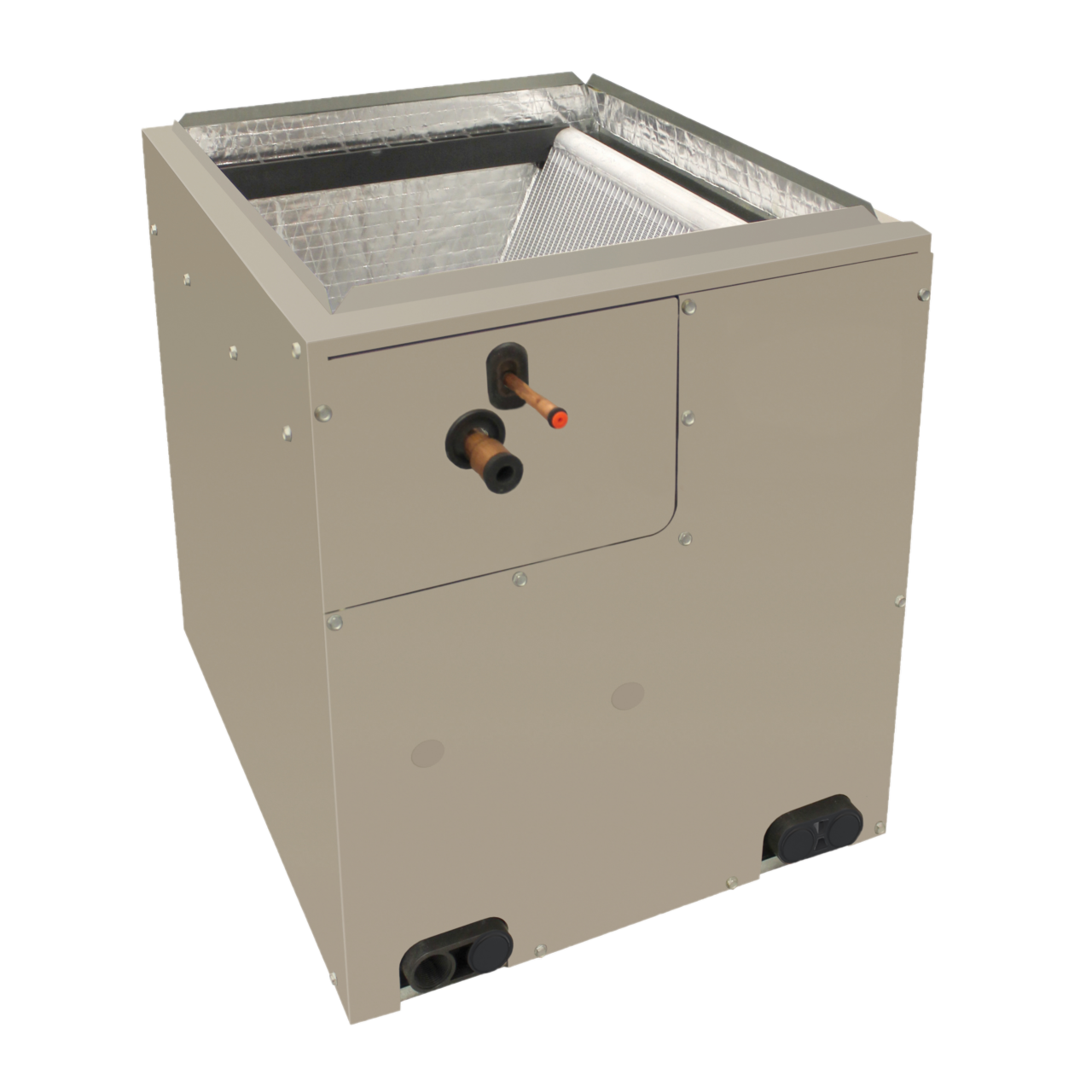
The carrier Evaporator Coil CVPVA is a cased V-style indoor evaporator coil designed for efficient cooling performance, reliable comfort, and broad compatibility with upflow and downflow installations. It uses an all-aluminum construction and a V-shaped coil geometry that improves heat transfer across the coil surface, helping HVAC systems run more efficiently while maintaining steadier indoor temperatures. This makes it a strong fit for homeowners replacing an aging coil, contractors matching a new air handler or furnace, and property managers looking for dependable cooling components in residential systems.
One of the biggest advantages of the carrier Evaporator Coil CVPVA is its focus on consistent airflow and energy efficiency. The cased design helps simplify installation and supports cleaner integration with compatible Carrier systems, while the TXV metering setup is intended to improve refrigerant control and cooling stability. The coil is commonly used with R-410A refrigerant systems and is available in multiple tonnage options, including 2-ton, 2.5-ton, 3-ton, 3.5-ton, 4-ton, and 5-ton configurations depending on the exact model number. For buyers asking, “What is the Carrier CVPVA coil used for?”, the answer is simple: it is built for indoor cooling applications where reliable heat exchange, compact cabinet compatibility, and durable construction matter.
Estimated pricing typically falls in the mid-range for premium residential evaporator coils, with market prices often varying by tonnage, cabinet width, and supplier. Availability is generally good through HVAC distributors and online sellers, though exact model stock can fluctuate by region and season. The carrier Evaporator Coil CVPVA is best suited for residential central air systems, retrofit replacements, and upgrades where improved efficiency and aluminum durability are priorities.
Specifications for Carrier CVPVA Evaporator Coil
- Coil type: V-shaped cased evaporator coil with Vertex-style heat transfer design.
- Construction: All-aluminum coil for corrosion resistance and lightweight handling.
- Refrigerant: R-410A compatible.
- Refrigerant control: TXV metering device for better flow regulation.
- Installation orientation: Upflow and downflow configurations.
- Application: Indoor residential cooling systems.
- Cabinet sizes: Common widths include 14-3/16 in, 21 in, and 24 in depending on model.
- Tonnage options: 2 ton, 2.5 ton, 3 ton, 3.5 ton, 4 ton, and 5 ton variants.
- Airflow ratings: Example models support 750 CFM for 2.5 ton and 900 CFM for 3 ton systems.
- Connection sizes: Typical line set connections include 3/8 in liquid and 3/4 in suction.
- Performance advantage: V-shape geometry improves heat transfer and supports efficient cooling performance.
Compared with standard A-coil evaporators, the carrier Evaporator Coil CVPVA emphasizes better thermal exchange and more flexible cabinet matching. Compared with budget coils, it stands out for its all-aluminum design and TXV-based refrigerant control, which can help stabilize comfort in demanding residential systems.
Troubleshooting Carrier CVPVA Evaporator Coil Problems
Common issues with the carrier Evaporator Coil CVPVA usually involve airflow restrictions, refrigerant problems, or installation mismatches. If cooling output drops, check for a dirty air filter, blocked return vents, or a frozen coil. Frozen coils often point to low airflow, low refrigerant charge, or a faulty TXV. If the system is short cycling, inspect thermostat settings, condenser performance, and airflow balance. Water leakage around the coil cabinet may indicate a clogged drain line or poor condensate pan drainage.
- Weak cooling: Verify filter condition, supply registers, blower speed, and refrigerant charge.
- Ice buildup: Shut the system off, allow thawing, and inspect for airflow issues or refrigerant imbalance.
- Water leaks: Clear condensate drain lines and check pan alignment.
- Noise or vibration: Confirm secure cabinet mounting and duct connections.
- TXV-related problems: Have a licensed technician test superheat and refrigerant flow.
Model-specific error codes are usually generated by the connected air handler, furnace, or thermostat rather than the coil itself. Preventive maintenance includes regular filter changes, drain line cleaning, and annual HVAC inspections. Warranty support depends on the distributor and installation terms, so buyers should keep the invoice and model number ready. For help, contact a licensed Carrier HVAC dealer or the local distributor that supplied the unit.
Pros and Cons of Carrier Evaporator Coil CVPVA
Pros
- Efficient heat transfer: The V-shaped coil design improves cooling performance and supports better energy efficiency.
- Durable materials: All-aluminum construction helps resist corrosion and keeps the unit lightweight.
- Flexible installation: Works in both upflow and downflow systems.
- Good system matching: Available in multiple tonnages for different residential applications.
- Stable refrigerant control: TXV setup helps improve comfort consistency.
Cons
- Not the cheapest option: Premium construction often costs more than basic replacement coils.
- Compatibility matters: Must be matched carefully with cabinet width, tonnage, and refrigerant type.
- Professional installation recommended: TXV and refrigerant setup should be handled by a trained technician.
- Limited value for outdated systems: Older HVAC units may not benefit fully from the coil’s efficiency advantages.
For buyers comparing alternatives, the carrier Evaporator Coil CVPVA is a strong value when efficiency, durability, and proper system fit matter more than the lowest upfront price.
Customer Reviews and Real-World Feedback on Carrier CVPVA Coil
Homeowners and installers generally rate the carrier Evaporator Coil CVPVA highly for consistent cooling, solid build quality, and smooth compatibility with modern R-410A systems. Typical ratings fall around 4.5 out of 5 stars in distributor and contractor feedback. Many users praise the quieter operation and more even temperature control after replacement.
- Praise: “Installation was straightforward, and the system cools faster than my old coil.”
- Praise: “The aluminum build feels durable, and airflow improved noticeably.”
- Complaint: “Pricing is higher than generic replacement coils.”
- Complaint: “You need the correct model match, or the fit will be off.”
Most complaints center on cost and the need for exact sizing rather than product performance. For buyers who want a reliable residential evaporator coil and are comfortable paying for better materials and efficiency, the carrier Evaporator Coil CVPVA is a recommended purchase.
Faqs
How do I set up carrier Evaporator Coil CVPVA for the first time without causing airflow problems?
What compatibility checks should I make before buying carrier Evaporator Coil CVPVA for my HVAC system?
Why is carrier Evaporator Coil CVPVA icing up, and how can I fix it?
How often should I clean and maintain carrier Evaporator Coil CVPVA for best performance?
What are the main performance features of carrier Evaporator Coil CVPVA that affect cooling efficiency?
What should I do if carrier Evaporator Coil CVPVA is not cooling the house evenly?
Can carrier Evaporator Coil CVPVA help reduce humidity, and what affects that result?
What are the most common carrier Evaporator Coil CVPVA problems that require a technician?
More carrier manuals
- Carrier 33CS450-01 Digital Thermostat User Manual
- Installation: Carrier 14 Seer Heat Pump System WPH4 User Manual
- Setup: Carrier Toshiba RAV-HB121BTP-UL Air Conditioner User Manual
- Setup Guide: Carrier 24VNA6 Infinity Variable Speed Air Conditioner User Manual
- Carrier InteliSense 59TP6C Condensing Gas Furnace User Manual
- How to Use: Carrier Edge Pro 33CS Commercial Thermostat User Manual
Leave a Comment