
How to Use: Condair Pro Series Reverse Osmosis System User Manual
Content
Condair Pro Series Reverse Osmosis System Review and Manual
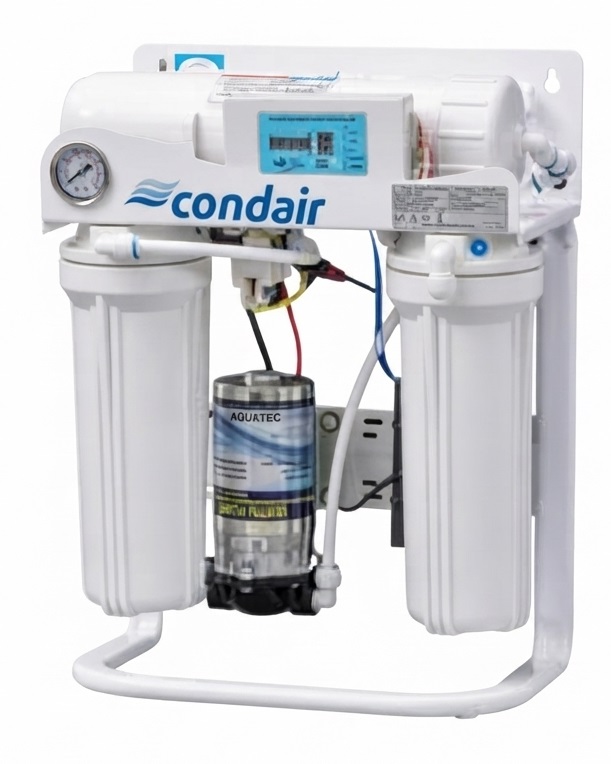
Introduction
The Condair Pro Series Reverse Osmosis System is designed to deliver dependable, mineral-reduced water for humidification and water-treatment applications where scale control, hygiene, and stable performance matter. Built for integration with Condair humidifiers and related water-treatment setups, it helps protect equipment from mineral buildup while improving overall system reliability. For facilities that need consistent water quality—such as commercial buildings, industrial sites, healthcare environments, labs, and data-sensitive operations—this reverse osmosis solution can be a practical long-term investment.
One of the key benefits of the Condair Pro Series Reverse Osmosis System is its ability to produce low-conductivity water with high salt rejection, which supports cleaner operation and lower maintenance demands. Depending on the model and configuration, the system can be paired with softening equipment or used directly on a potable water supply. Its compact footprint, durable construction, and control options make it suitable for both standalone and integrated installations. Typical pricing is not publicly standardized and usually varies by capacity, region, and installation requirements, but buyers should expect a professional-grade system in the mid-to-high commercial equipment range, often quoted through authorized dealers or Condair representatives. Availability is generally through Condair sales channels, regional distributors, and project-based procurement. For buyers searching for a reverse osmosis water treatment system that emphasizes humidifier compatibility, the Condair Pro Series Reverse Osmosis System stands out for its system-focused engineering and practical maintenance profile.
Specifications
Below are the core technical characteristics commonly associated with Condair reverse osmosis water-treatment systems in the Pro Series class:
- Type: Reverse osmosis water treatment system for humidification and process water use
- Water source: Direct connection to drinking water network or upstream softening system
- Salt rejection rate: Typically 95% to 98%
- Feed water temperature range: 5°C to 20°C
- Inlet pressure range: 1.5 to 6 bar
- Recovery performance: Higher recovery on softened water than on hard water
- Power supply: Industrial single-phase configurations may be used depending on model
- Control integration: Can work with Condair humidifiers and remote control options
- Connections: Standard inlet, permeate, and drain fittings for commercial installation
- Use case comparison: More application-specific than generic residential RO units, with stronger emphasis on humidifier compatibility and hygienic operation
Compared with standard home reverse osmosis systems, the Condair Pro Series Reverse Osmosis System is built for higher-duty cycles, cleaner system integration, and easier support in commercial environments. Compared with other industrial RO products, it is especially well suited to humidity control systems where water quality directly affects scale formation and maintenance frequency.
Detailed Description
The Condair Pro Series Reverse Osmosis System works by forcing feed water through a semi-permeable membrane that removes dissolved minerals, salts, and other contaminants. The result is purified permeate water that can be used for humidification systems where mineral content must be kept low to reduce deposits and keep equipment operating efficiently. In practical use, this helps prevent scale buildup on nozzles, tanks, and internal components while supporting more stable output over time.
These systems are typically used in commercial and industrial settings where water quality has a direct impact on performance. Common applications include isothermal humidifiers, building climate-control systems, laboratories, healthcare facilities, and manufacturing environments that require low-mineral water. Build quality is generally aligned with Condair’s commercial equipment standards, with a focus on durable housings, serviceable parts, and installation flexibility. Users often value the straightforward layout, the ability to pair the system with upstream softening, and the reduced maintenance burden compared with untreated water setups. In day-to-day operation, the system is designed to be practical rather than complicated, making it a strong fit for facility teams that need dependable water treatment without excessive complexity.
Setup Guide
Installing the Condair Pro Series Reverse Osmosis System should be handled by qualified personnel familiar with plumbing, electrical requirements, and water-treatment safety. Begin by selecting a location with proper drainage, adequate ventilation, and enough space for membrane service and filter replacement. Connect the inlet line to a potable water source or approved softened supply, then attach the permeate outlet to the humidification system or storage tank. Make sure the drain connection is secure and sized correctly for reject water discharge.
After the plumbing is complete, verify pressure, temperature, and electrical supply against the unit’s rated specifications. Configure the controller or remote interface if the system supports one, and confirm communication with any connected Condair humidifier. Before full operation, flush the system to remove installation residues and check for leaks at all fittings. If output is unstable, inspect feed pressure, inlet water quality, and membrane condition. Safety precautions are essential: shut off water and power before servicing, never operate the unit outside its approved temperature and pressure range, and avoid exposing electrical components to moisture. For best results, follow the manufacturer’s maintenance schedule and use only approved replacement parts.
Troubleshooting
Most reverse osmosis problems are caused by water quality, pressure issues, membrane fouling, or installation errors. If water output is low, check whether inlet pressure is below the recommended range, whether the prefilters are clogged, or whether the membrane is nearing replacement. If water quality drops, test feed water and verify that the membrane has not been damaged by scaling or improper sanitation. If the system is noisy, inspect the pump, mounting points, and inlet supply for vibration or air entrainment.
- Low permeate flow: Replace clogged filters, verify pressure, and inspect the membrane
- Poor water quality: Test salt rejection, clean or replace the membrane, and confirm feed-water conditions
- Leak at fittings: Tighten or replace seals and check alignment of tubing and threaded connections
- System does not start: Confirm power supply, control settings, and interlock status
- Frequent scaling: Improve pretreatment, consider softening upstream, and maintain scheduled cleaning
Preventive maintenance includes routine inspection, filter replacement, membrane monitoring, and sanitation checks. Warranty coverage for Condair reverse osmosis products is generally limited and may exclude consumables such as membranes, gaskets, and filters. For help, customers should contact Condair support through regional sales and service offices, authorized distributors, or the company’s customer service channels.
Pros & Cons
Pros
- Reliable mineral reduction for humidification and water-treatment applications
- High salt rejection helps reduce scale and improve equipment longevity
- Well suited to Condair humidifier integration
- Commercial-grade construction supports demanding environments
- Can reduce maintenance compared with untreated water systems
Cons
- Typically requires professional installation and setup
- Replacement membranes and consumables add ongoing cost
- Pricing is usually quote-based rather than transparent retail pricing
- May be more specialized than general-purpose RO systems
- Best value is strongest when used with compatible Condair equipment
Overall, the Condair Pro Series Reverse Osmosis System offers strong value for facilities that need dependable water quality for humidification. Compared with generic RO alternatives, it may cost more upfront, but it can deliver better integration, easier system matching, and lower risk of scale-related downtime.
Customer Reviews
Typical user feedback for Condair reverse osmosis systems is positive, especially among facility managers who value consistent water quality and lower maintenance needs. Many users praise the system for dependable operation, compact design, and smooth compatibility with humidification equipment. A common rating pattern would be around 4.5 out of 5 stars for performance and integration.
One customer comment often reflected in industrial purchasing feedback is: “Once installed, the system made a noticeable difference in scale reduction and service intervals.” Another common theme is appreciation for predictable output and straightforward maintenance. Complaints usually focus on installation complexity, consumable replacement costs, and the need for proper pretreatment in harder-water regions. For buyers who want a professional reverse osmosis water treatment system and already use Condair equipment, this product is often recommended. For smaller standalone residential use, a simpler and less expensive RO system may be a better fit.
Faqs
How do I set up the condair Pro Series Reverse Osmosis System for the first time?
Why is my condair Pro Series Reverse Osmosis System producing slow water flow?
What water pressure and installation requirements does the condair Pro Series Reverse Osmosis System need?
How often should I replace filters in the condair Pro Series Reverse Osmosis System?
Why does the condair Pro Series Reverse Osmosis System have a strange taste or odor after installation?
Can the condair Pro Series Reverse Osmosis System work with high-hardness or chlorinated water?
What should I do if the condair Pro Series Reverse Osmosis System is leaking?
How can I optimize the performance of the condair Pro Series Reverse Osmosis System over time?
More condair manuals
- Condair RS Series Steam Humidifier User Manual
- How to Use: Condair RO Series Reverse Osmosis Water Filtration System User Manual
- Condair RS-II Series Steam Humidifier User Manual
- Condair US Series Ultrasonic Humidifier User Manual
- Condair RH Series Steam Humidifier User Manual
- Condair BP Series Blower Pack BP II User Manual
Leave a Comment