
Icp CA7 Split System Air Conditioner User Manual
Content
icp CA7 Split System Air Conditioner: Complete Product Manual and Buyer Guide
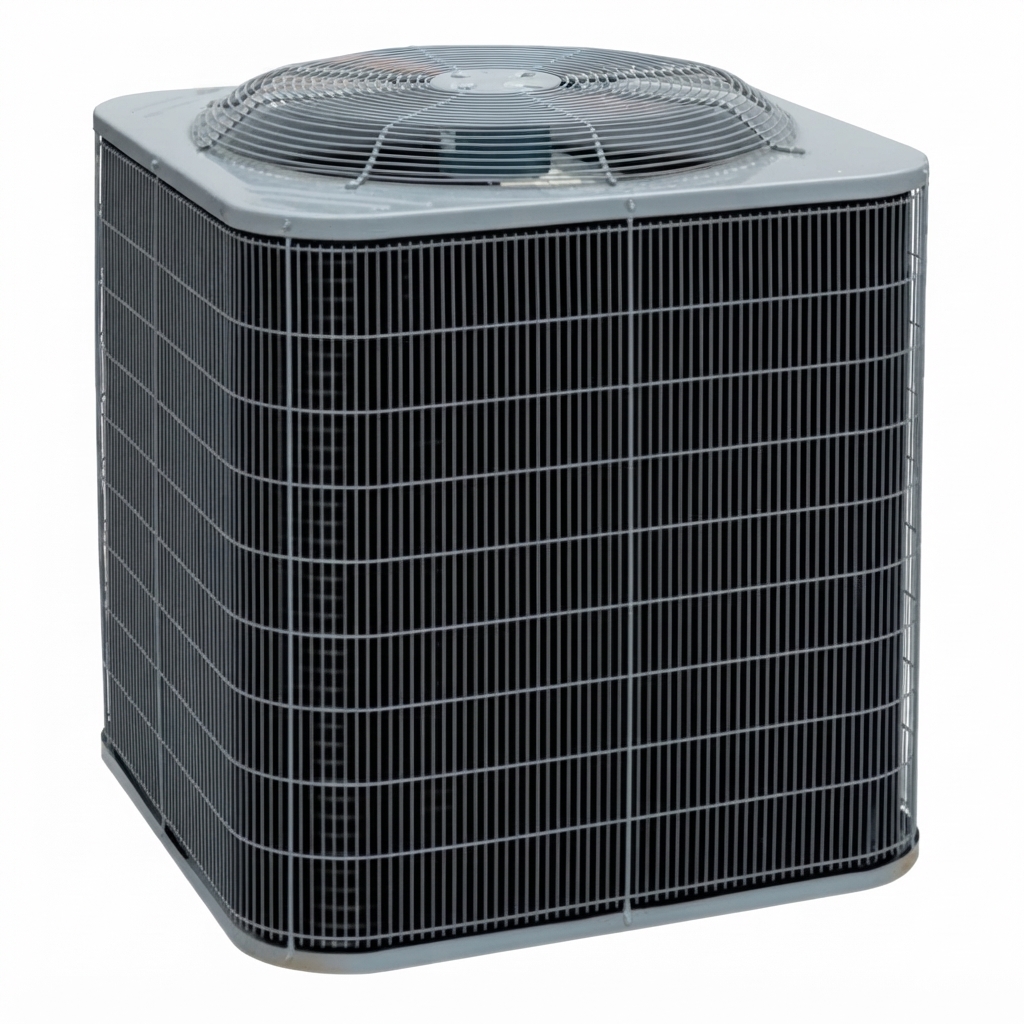
The icp CA7 Split System Air Conditioner is a high-efficiency, two-stage cooling system designed for homeowners who want dependable performance, quieter operation, and better temperature control than a basic single-stage unit. Built for split-system applications, the CA7 series is commonly selected for whole-home comfort in medium to larger residences, with model sizes typically spanning 2 to 5 tons. It is a strong fit for users who want an upgrade from older R-22 equipment or a more efficient replacement for standard air conditioning systems.
One of the biggest advantages of the icp CA7 Split System Air Conditioner is its two-stage compressor design, which helps reduce temperature swings and improve humidity control. That makes it especially appealing in hot, humid climates where consistent cooling matters. It is also compatible with communicating and non-communicating configurations depending on the matched indoor equipment, giving installers flexibility during replacement projects or new installations.
Typical pricing for the icp CA7 Split System Air Conditioner varies by tonnage, indoor match, and installation complexity, but homeowners generally see a rough equipment-and-installation range of about $4,500 to $9,500. Availability depends on dealer inventory, region, and whether the unit is being sourced as part of a complete matched system. For buyers comparing premium split system air conditioner options, the CA7 offers a balanced mix of efficiency, comfort, and value.
Specifications for the icp CA7 Split System Air Conditioner
The icp CA7 Split System Air Conditioner is built as a two-stage R-410A split system with model sizes commonly available in 24, 36, 48, and 60 nominal BTU/hr configurations. It is designed for 208/230V, 1-phase, 60 Hz residential applications and is intended for matched indoor and outdoor system setups.
- System type: Two-stage split system air conditioner
- Refrigerant: R-410A
- Nominal capacity range: 2 to 5 tons
- Electrical input: 208/230V, single-phase, 60 Hz
- Operating mode: Cooling only
- Compressor design: Two-stage scroll compressor
- Efficiency class: Up to 17 SEER depending on the matched configuration
- Outdoor operating range: Approximately 55°F to 125°F in cooling mode
- Indoor control compatibility: Communicating and non-communicating match options
- Typical installation profile: Residential split-system replacement or new construction
Compared with basic single-stage central air conditioners, the CA7 usually delivers smoother operation, better humidity management, and improved comfort consistency. Against newer inverter-driven systems, it may not match variable-speed precision, but it often costs less and remains easier to service in many markets.
How to Set Up the icp CA7 Split System Air Conditioner
Installation of the icp CA7 Split System Air Conditioner should be completed by a licensed HVAC professional because it involves refrigerant handling, high-voltage wiring, airflow setup, and system charging. A proper setup is essential for efficiency, reliability, and warranty protection.
- Place the outdoor condenser on a level pad with proper clearance around all sides.
- Confirm the indoor coil and outdoor unit are a matched system for correct performance.
- Connect refrigerant lines using the approved line set size and proper brazing practices.
- Install the correct R-410A TXV or matched metering device if required by the indoor coil.
- Wire the thermostat and confirm control compatibility before powering the system.
- Evacuate the refrigerant lines, then charge the system to manufacturer specifications.
- Test airflow, supply temperature, and compressor staging during startup.
Safety precautions are critical: never mix refrigerants, never open the system without proper recovery equipment, and always disconnect power before servicing. If the unit does not start, check thermostat settings, breaker status, wiring connections, and indoor blower operation before moving to deeper diagnostics.
Troubleshooting the icp CA7 Split System Air Conditioner
Like most split system air conditioners, the icp CA7 can develop issues related to airflow, charging, controls, or electrical components. Quick diagnosis usually starts with the simplest checks first.
- Problem: Unit will not cool. Solution: Check thermostat mode, breaker position, indoor filter condition, and outdoor disconnect.
- Problem: Weak airflow. Solution: Replace dirty filters, inspect ducts, and confirm blower speed settings.
- Problem: Short cycling. Solution: Check refrigerant charge, coil cleanliness, and thermostat placement.
- Problem: Ice on the outdoor or indoor coil. Solution: Shut the system off, allow thawing, and inspect airflow and refrigerant levels.
- Problem: Loud compressor noise. Solution: Verify pad stability, electrical supply, and refrigerant line support.
Common fault indicators may include thermostat communication errors, pressure switch trips, or compressor lockout conditions, depending on the matched control setup. If the unit repeatedly faults after a reset, professional service is recommended rather than repeated restarts.
Preventive maintenance includes seasonal coil cleaning, filter replacement every 1 to 3 months, condensate drain checks, and annual refrigerant and electrical inspection. Warranty coverage and support are typically handled through the selling dealer, distributor, or ICP service network, and owners should keep proof of purchase and installation records available when requesting help.
Pros and Cons of the icp CA7 Split System Air Conditioner
Pros
- Two-stage cooling improves comfort by reducing large temperature swings.
- Better humidity control than many entry-level single-stage AC systems.
- Strong value for homeowners who want efficiency without paying inverter-system pricing.
- Compatible with a range of residential split-system installations.
- Good upgrade choice for older air conditioners using outdated refrigerant systems.
Cons
- Not as advanced as full variable-speed premium systems.
- Performance depends heavily on proper matching and installation quality.
- May cost more than basic single-stage alternatives.
- Service availability can vary by region and dealer network.
For buyers comparing split system air conditioners, the icp CA7 Split System Air Conditioner offers solid value for money, especially when comfort and reliability matter more than having the newest control technology.
Customer Reviews for the icp CA7 Split System Air Conditioner
Homeowners often rate the system around 4.3 out of 5 stars for its quiet operation, steady cooling, and noticeably better humidity control. Many reviewers praise the way the two-stage compressor keeps rooms more even during peak summer heat.
Common complaints usually focus on installation quality rather than the unit itself, especially if the system was not properly charged or matched with the correct indoor coil. Some users also mention that the unit feels less advanced than higher-end variable-speed models, though they still appreciate the lower overall cost.
Typical feedback includes comments such as, “It cools the house more evenly than our old unit,” and “The second stage is quiet and efficient once the temperature is close to setpoint.” The best recommendation is for buyers who want a dependable central air conditioner with strong comfort performance and reasonable operating costs.
Faqs
How do I set up the icp CA7 Split System Air Conditioner for the first time?
What should I do if my icp CA7 Split System Air Conditioner is not cooling properly?
What features make the icp CA7 Split System Air Conditioner different from standard air conditioners?
Is the icp CA7 Split System Air Conditioner compatible with any thermostat?
How can I improve the energy efficiency of my icp CA7 Split System Air Conditioner?
Why does my icp CA7 Split System Air Conditioner keep turning on and off quickly?
How often should I service and maintain my icp CA7 Split System Air Conditioner?
What size icp CA7 Split System Air Conditioner do I need for my home?
More icp manuals
Leave a Comment