
Jetson ACC Series Condensers & Condensing Unit User Manual
Content
Jetson ACC Series Condensers & Condensing Unit: Complete Product Manual
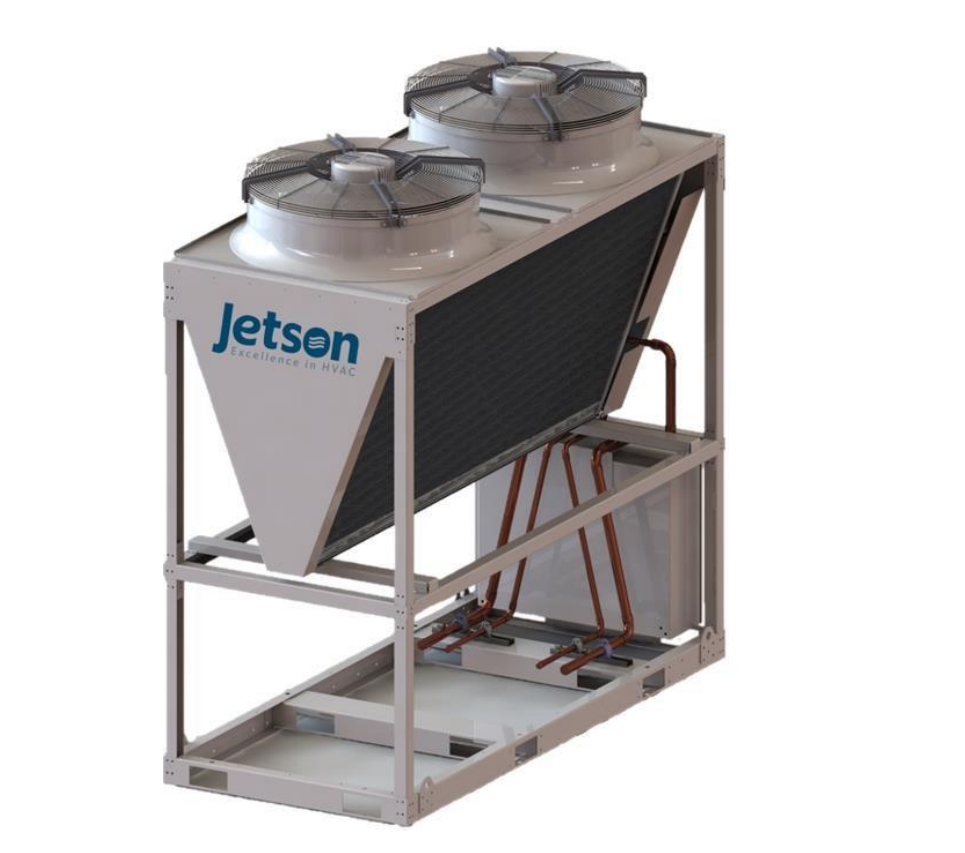
The Jetson ACC Series Condensers & Condensing Unit is a modern HVAC split-system solution designed for commercial and industrial cooling applications that demand efficiency, flexibility, and dependable performance. Built around Jetson’s modular air-cooled platform, the series supports both air-cooled condensers and air-cooled condensing units, making it a practical choice for rooftop, ground-mounted, and remote-system installations. The lineup is engineered for use with split systems, remote DX applications, and scalable cooling projects where serviceability and long-term reliability matter most.
One of the biggest advantages of the jetson ACC Series Condensers & Condensing Unit is its broad capacity range, which makes it suitable for smaller facilities as well as large multi-unit arrays. The series is also known for its controller compatibility, quiet operation options, corrosion protection choices, and support for low-GWP refrigerant configurations. For building owners, contractors, and facility managers, this product line offers a strong balance of performance, energy efficiency, and installation flexibility.
Typical pricing varies by tonnage, configuration, and optional upgrades, but buyers can generally expect a range from the mid-thousands for smaller units to significantly higher prices for larger commercial models and custom installations. Availability is generally through HVAC distributors, contractors, and authorized equipment channels, with lead times depending on model selection and project requirements.
Specifications for Jetson ACC Series Condensers & Condensing Unit
The jetson ACC Series Condensers & Condensing Unit is built for scalable performance and system integration. Below are the core specifications and capabilities buyers should review before selecting a model.
- Capacity range: 10 to 90 tons per single module, with modular arrays that can scale to much larger combined capacities.
- Configuration types: Air-cooled condenser and air-cooled condensing unit versions.
- Refrigerant support: R-454B available for lower global warming potential applications.
- Heat exchanger options: Standard uncoated or optional e-coated microchannel heat exchanger coils.
- Compressor design: Dual-circuit refrigeration architecture for improved redundancy and part-load performance.
- Controls: Factory-installed microprocessor-based control platform with common building automation compatibility options.
- Installation flexibility: Suitable for rooftop or ground-level placement.
- Efficiency features: Designed for quiet operation, reduced refrigerant charge, and improved heat transfer performance.
- Temperature capability: Built for demanding outdoor HVAC environments and split-system integration.
Compared with many conventional condensing units, the jetson ACC Series Condensers & Condensing Unit offers better modular scalability, more advanced controls, and more flexible heat exchanger and refrigerant options. That makes it a stronger fit for projects where future expansion and system integration are important.
Setup Guide: How to Install and Configure Jetson ACC Series Condensers & Condensing Unit
Proper installation is essential for safe operation and long equipment life. Before starting, confirm the unit model, capacity, voltage, refrigerant configuration, and application type. Always follow local HVAC codes and manufacturer installation procedures.
- Step 1: Inspect the unit on delivery for shipping damage, missing components, or signs of tipping.
- Step 2: Place the condenser or condensing unit on a level structural pad or rooftop curb with adequate airflow clearance.
- Step 3: Verify electrical service requirements, disconnect location, and breaker sizing before wiring.
- Step 4: Connect refrigerant piping carefully, using proper brazing, evacuation, and pressure-testing practices.
- Step 5: Configure the controller according to the application, including staging, communication settings, and alarm parameters if applicable.
- Step 6: Pair the unit with the indoor split-system components and confirm refrigerant circuit compatibility.
- Step 7: Perform a full startup check, including fan rotation, compressor operation, pressure readings, and control response.
Safety warning: Do not energize the system until wiring, piping, and refrigerant checks are complete. Use certified HVAC technicians for refrigerant handling. If the unit fails to start, check power supply, control lockout conditions, and communication settings first.
Troubleshooting Jetson ACC Series Condensers & Condensing Unit
Most issues with the jetson ACC Series Condensers & Condensing Unit can be traced to airflow, electrical supply, refrigerant charge, or control settings. A structured troubleshooting approach saves time and prevents unnecessary component replacement.
- Problem: Unit will not start. Solution: Check disconnects, circuit breakers, control power, and safety interlocks.
- Problem: Poor cooling performance. Solution: Inspect refrigerant charge, airflow, coil cleanliness, and fan operation.
- Problem: Excessive noise or vibration. Solution: Verify mounting stability, line-set support, and compressor isolation hardware.
- Problem: High-pressure shutdown. Solution: Clean condenser coils, confirm fan operation, and verify unobstructed airflow.
- Problem: Communication or controller fault. Solution: Review wiring, configuration settings, and control board status indicators.
- Problem: Frequent cycling. Solution: Check load sizing, thermostat settings, and staging logic.
Common error codes depend on the installed controls package, so technicians should consult the system display and service documentation for exact fault interpretation. Preventive measures include regular coil cleaning, electrical inspection, refrigerant leak checks, and seasonal startup testing. Warranty support is typically handled through the original distributor or installing contractor, so keep model and serial numbers available when requesting help.
Pros and Cons of Jetson ACC Series Condensers & Condensing Unit
The jetson ACC Series Condensers & Condensing Unit is a strong performer for commercial split-system HVAC projects, but it is not the right fit for every budget or application.
Pros
- Scalable design supports both single-unit and multi-module applications.
- Dual-circuit architecture improves reliability and part-load efficiency.
- Factory-installed controls simplify integration with building systems.
- R-454B support helps align with newer refrigerant requirements.
- Optional e-coated coils add corrosion protection for harsher environments.
- Good value for projects that need long-term expandability.
Cons
- Higher upfront cost than basic residential-style condensing units.
- Installation is more complex and usually requires professional HVAC service.
- Some advanced options may increase lead time and project cost.
- Best suited to commercial and institutional users rather than small standalone systems.
Compared with simpler alternatives, the jetson ACC Series Condensers & Condensing Unit offers better control, greater capacity flexibility, and stronger commercial-grade construction. For buyers who prioritize reliability and expansion potential over initial cost, it delivers solid value for money.
Customer Reviews: What Users Say About Jetson ACC Series Condensers & Condensing Unit
Customer feedback on the jetson ACC Series Condensers & Condensing Unit is generally positive, especially among contractors and facility teams managing larger HVAC systems. Many users praise the unit’s quiet operation, modular design, and strong performance in split-system applications. A common theme in reviews is appreciation for the flexible configuration options and advanced controls.
Typical ratings often fall around 4 to 5 stars for performance and installation versatility. One facility manager noted that the system “fit our expansion plan perfectly and simplified future capacity planning.” Another contractor highlighted that “startup was straightforward once the control settings were matched to the application.”
Common complaints usually focus on installation complexity, higher upfront pricing, and the need for experienced technicians. Buyers who want a dependable commercial cooling solution with room to grow tend to recommend it, while users seeking a low-cost plug-and-play option may prefer simpler alternatives.
Frequently Asked Questions About Jetson ACC Series Condensers & Condensing Unit
What is the Jetson ACC Series used for?
It is used for commercial and industrial split-system cooling, including air-cooled condenser and condensing unit applications.
Is the Jetson ACC Series energy efficient?
Yes, the series is designed for strong performance, reduced refrigerant charge, and improved system integration.
Who should buy the Jetson ACC Series Condensers & Condensing Unit?
It is best for contractors, building owners, and facility managers who need scalable HVAC equipment with commercial-grade features.
Where can I get support?
Support is typically available through the selling distributor, installing contractor, or the manufacturer’s official product support channels.
Faqs
How do I set up the jetson ACC Series Condensers & Condensing Unit for the first time?
What should I check if the jetson ACC Series Condensers & Condensing Unit is not cooling properly?
What makes the jetson ACC Series Condensers & Condensing Unit different from standard condensing equipment?
Which systems are compatible with the jetson ACC Series Condensers & Condensing Unit?
How often should I maintain the jetson ACC Series Condensers & Condensing Unit?
Why is the jetson ACC Series Condensers & Condensing Unit making unusual noise?
What are the best ways to improve the efficiency of a jetson ACC Series Condensers & Condensing Unit?
What does the jetson ACC Series Condensers & Condensing Unit need for proper installation and operation?
Tags
More jetson manuals
Leave a Comment