
Installation: Pentair PRF-RO Reverse Osmosis System User Manual
Content
Pentair PRF-RO Reverse Osmosis System: Complete Product Manual and Buyer Guide
Introduction
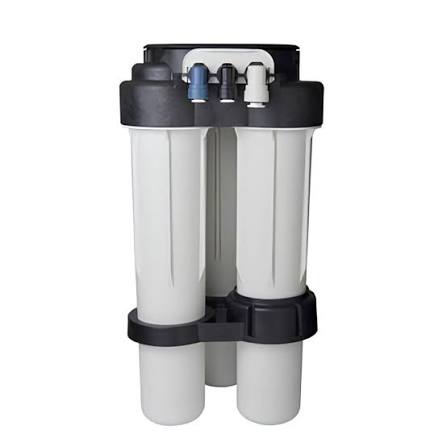
The Pentair PRF-RO Reverse Osmosis System is a compact, tankless-style under-sink water purification solution designed to deliver high-quality drinking water with strong filtration performance and low maintenance requirements. Built for households that want a reliable reverse osmosis system without a bulky storage tank, it combines reverse osmosis membrane filtration with pre- and post-carbon treatment to improve taste, reduce dissolved solids, and help remove common contaminants from tap water. The system is especially appealing for homeowners, apartment residents, and small commercial users who need a space-saving water purification setup with consistent output and a modern footprint.
One of the biggest advantages of the Pentair PRF-RO Reverse Osmosis System is its balance of performance and convenience. It is engineered to operate within standard residential water pressure ranges and provides a practical flow rate for everyday kitchen use. The design also supports long service intervals, with carbon filters typically replaced every 6 to 12 months and the RO membrane lasting around 2 to 4 years depending on water quality and usage. This makes it a strong choice for users seeking a low-hassle reverse osmosis water filtration system that fits neatly under the sink.
Estimated pricing typically falls in the mid-to-premium range for under-sink RO systems, with market availability often ranging from about $600 to $1,200 or more depending on region, seller, and included accessories. It is commonly available through water treatment retailers and specialty plumbing distributors, making it accessible for both replacement installations and new builds.
Specifications for Pentair PRF-RO Reverse Osmosis System
- System type: Under-sink reverse osmosis water filtration system
- Filtration stages: Multi-stage design with carbon pre-filtration, RO membrane filtration, and carbon post-filtration
- Operating pressure: 40 psi to 80 psi (2.76 bar to 5.52 bar)
- Inlet temperature range: 40°F to 100°F (4.4°C to 37.8°C)
- Inlet TDS range: 50 mg/L to 2,000 mg/L
- Inlet hardness range: 0 to 171 mg/L
- Inlet chlorine limit: Up to 1.0 mg/L
- RO membrane flow rate: Approximately 0.95 L/min
- Carbon post-filter flow rate: Approximately 2.8 L/min
- Membrane life: 2 to 4 years under normal conditions
- Carbon filter life: 6 to 12 months
- Dimensions: Approximately 246 x 431 x 515 mm or similar depending on configuration
- Connections: 1/2-inch inlet tubing, 3/8-inch product and drain tubing commonly used
- Installation style: Compact under-sink footprint with no large tank required in many setups
Compared with traditional tank-based reverse osmosis systems, the Pentair PRF-RO Reverse Osmosis System offers a cleaner, more space-efficient installation and a more modern layout. Compared with smaller point-of-use RO units, it generally supports stronger throughput and better long-term durability, making it a practical option for higher-demand kitchens.
Pros and Cons of the Pentair PRF-RO Reverse Osmosis System
Pros
- Space-saving design: Ideal for under-sink installations where cabinet space is limited.
- Strong water quality improvement: Reverse osmosis filtration helps reduce dissolved solids and improve taste and odor.
- Low maintenance: Long membrane life and easy-to-manage filter replacement intervals reduce upkeep.
- Good flow performance: Suitable for daily cooking, drinking, and beverage preparation.
- Professional-grade build: Well suited for homeowners who want a more robust system than entry-level alternatives.
- Value for money: While not the cheapest option, it offers strong long-term value through durability and dependable performance.
Cons
- Higher upfront cost: More expensive than basic pitcher filters or smaller RO kits.
- Installation complexity: May require a plumber or experienced DIY user for best results.
- Filter replacement cost: Replacement cartridges and membranes add to ownership expense over time.
- Water waste is possible: Like most reverse osmosis systems, it produces reject water during filtration.
- Best performance depends on water quality: Very hard or heavily chlorinated water may shorten filter life.
For buyers comparing under-sink reverse osmosis systems, the Pentair PRF-RO Reverse Osmosis System stands out for its balance of compact design, filtration quality, and service life. It is a better fit than budget systems for users who prioritize long-term reliability, but shoppers looking for the lowest possible price may prefer simpler alternatives.
Customer Reviews and User Feedback
Customer feedback for the Pentair PRF-RO Reverse Osmosis System is generally positive, with many users giving it about 4.5 out of 5 stars for overall performance. Reviewers often praise the clean taste of the water, the compact under-sink footprint, and the fact that the system does not require frequent attention once installed. Many also appreciate the smooth daily output for drinking water, coffee, and cooking.
Common complaints focus on installation difficulty, fitting compatibility, and the cost of replacement filters. Some users note that performance depends heavily on incoming water pressure and quality, so a proper pre-check of the home’s water supply is recommended before purchase. A typical customer comment is that the system feels “well built and reliable, with noticeably better-tasting water,” while less satisfied users mention that “installation instructions could be clearer.”
Overall, buyers who want a dependable reverse osmosis water filtration system for long-term home use are likely to be satisfied. It is especially recommended for households seeking a premium under-sink RO system with strong purification performance and manageable maintenance needs.
Frequently Asked Questions About the Pentair PRF-RO Reverse Osmosis System
Is the Pentair PRF-RO Reverse Osmosis System good for home use?
Yes. It is designed for residential kitchens and performs well for drinking water, cooking, and beverage preparation.
How often should filters be replaced?
Pre- and post-carbon filters usually need replacement every 6 to 12 months, while the RO membrane often lasts 2 to 4 years.
Does it fit in a small cabinet?
Yes. Its compact design makes it a strong option for smaller under-sink spaces compared with traditional tank-based RO systems.
Is it worth the price?
For users who want reliable filtration, long service life, and a professional-grade build, it offers solid value for money.
Faqs
How do I set up the pentair PRF-RO Reverse Osmosis System for the first time?
What should I do if the pentair PRF-RO Reverse Osmosis System has low water flow?
How often should I replace filters in the pentair PRF-RO Reverse Osmosis System?
Why does my pentair PRF-RO Reverse Osmosis System taste strange after installation?
What water pressure and plumbing conditions does the pentair PRF-RO Reverse Osmosis System need?
How can I fix slow refilling in the pentair PRF-RO Reverse Osmosis System tank?
Can the pentair PRF-RO Reverse Osmosis System work with hard water?
What routine maintenance keeps the pentair PRF-RO Reverse Osmosis System performing well?
More pentair manuals
Leave a Comment