
Philips 3100 Sonicare Toothbrush User Manual
Content
Philips 3100 Sonicare Toothbrush: Product Manual and Buying Guide
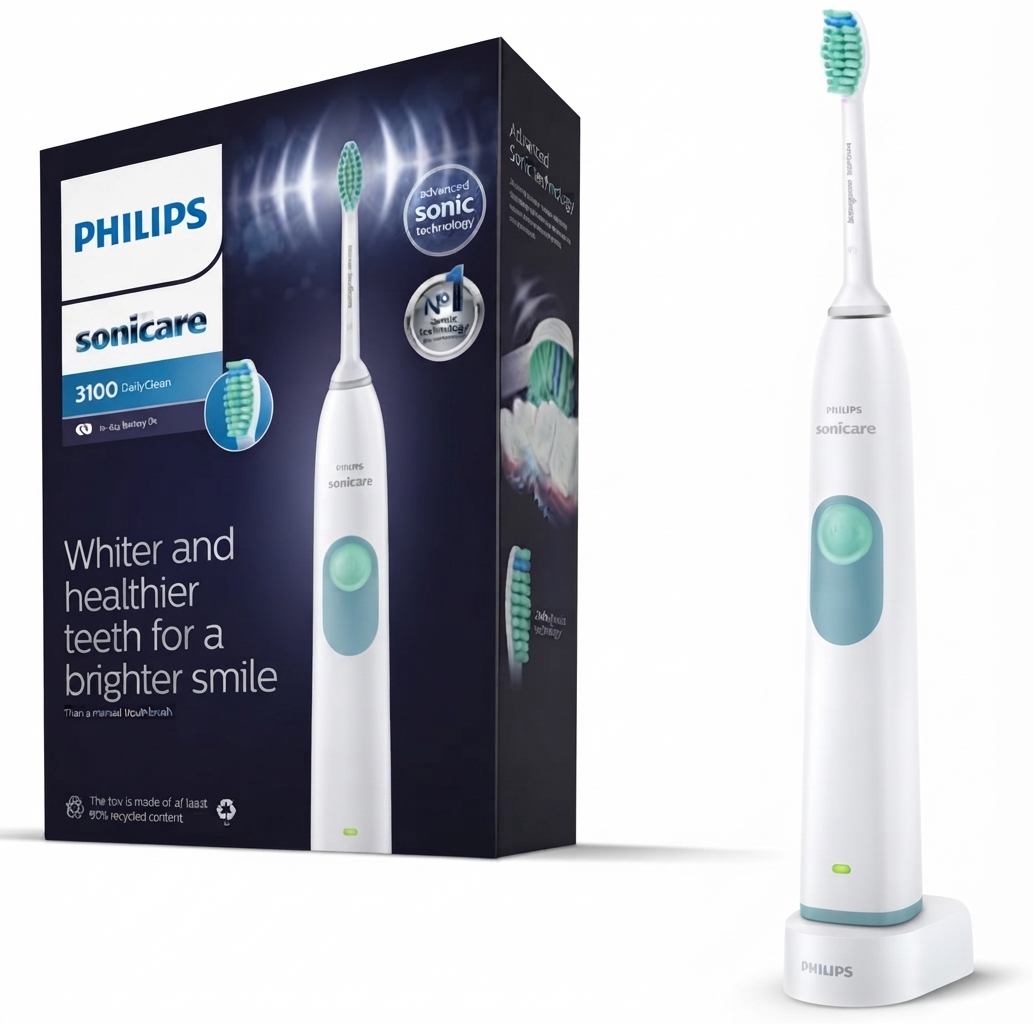
Introduction: What the Philips 3100 Sonicare Toothbrush Offers
The Philips 3100 Sonicare Toothbrush is a popular entry-level sonic electric toothbrush designed for everyday oral care with a simple, effective feature set. It uses high-speed sonic cleaning to deliver up to 31,000 brush movements per minute, helping remove plaque more efficiently than a manual toothbrush while still feeling gentle on teeth and gums. For users who want a no-fuss upgrade from manual brushing, the Philips 3100 Sonicare Toothbrush offers a balanced mix of performance, comfort, and affordability.
This model is especially appealing to adults, teens, and first-time electric toothbrush buyers who want dependable brushing assistance without smart app features or complicated controls. It is also a good fit for travelers and busy households because of its slim ergonomic handle, rechargeable lithium-ion battery, and long battery life of up to 14 days on a full charge. The built-in timer and pacer help encourage proper brushing habits, while the pressure sensor alerts users when they are brushing too hard.
In most markets, the Philips 3100 Sonicare Toothbrush sits in the budget-to-midrange category, with an estimated price range of about $30 to $60 depending on the retailer, included brush head, and promotions. It is widely available online and through major electronics, pharmacy, and home goods retailers. If you want a straightforward sonic toothbrush that focuses on cleaning performance and value, this model remains one of the strongest options in its class.
Specifications: Philips 3100 Sonicare Toothbrush Features and Performance
- Cleaning technology: Sonic brushing with up to 31,000 brush movements per minute for daily plaque removal.
- Cleaning mode: 1 standard daily clean mode for simple operation.
- Pressure sensor: Yes, helps reduce overbrushing and protects gums.
- Timer: 2-minute SmartTimer with QuadPacer-style guidance for even brushing across the mouth.
- Battery: Rechargeable lithium-ion battery.
- Battery life: Up to 14 days on a full charge under typical use.
- Charging: USB-based charging stand or standard charger, depending on bundle and region.
- Brush head system: Click-on replacement heads for quick swapping.
- Included brush head: Commonly shipped with a standard ProResults-style head or equivalent, depending on package.
- Handle design: Slim, lightweight, ergonomic grip for comfortable daily use.
- Replacement reminder: BrushSync-style reminder light on some versions and bundles.
- Warranty: Typically 2-year limited warranty.
Compared with higher-end Sonicare models, the Philips 3100 Sonicare Toothbrush is less advanced because it does not include multiple cleaning modes, app connectivity, or premium travel accessories. However, it delivers the core sonic-cleaning experience at a lower price, making it a strong value choice for users who prioritize brushing results over smart features.
Pros and Cons of the Philips 3100 Sonicare Toothbrush
Pros
- Strong cleaning performance for the price, with sonic motion that feels more effective than a basic manual toothbrush.
- Pressure sensor is useful for beginners and users with sensitive gums.
- Simple one-button operation makes it easy to use every day.
- Long battery life is convenient for travel and reduces charging frequency.
- Lightweight, slim handle feels comfortable for most users.
- Good value for money compared with premium electric toothbrushes.
Cons
- Only one cleaning mode, so it may feel limited for advanced users.
- No Bluetooth, app tracking, or smart brushing analytics.
- Replacement brush heads can be costly over time.
- Some users may find the handle slim or slightly slippery during wet use.
- Charging and accessory bundles vary by region, which can affect value comparison with alternatives.
For shoppers comparing the Philips 3100 Sonicare Toothbrush with Oral-B entry models or higher-end Sonicare devices, this model stands out for simplicity and sonic cleaning quality. It is best for everyday users who want reliable performance without paying for advanced extras.
Customer Reviews: What Users Say About the Philips 3100 Sonicare Toothbrush
Customer feedback for the Philips 3100 Sonicare Toothbrush is generally positive, with many users praising its easy learning curve and noticeable improvement over manual brushing. A common theme in reviews is that the brush feels gentle yet effective, especially for plaque control and daily maintenance. Typical ratings from major retailers and review platforms cluster around 4.4 out of 5 stars, reflecting strong satisfaction among budget-conscious buyers.
Frequent praise includes the 2-minute timer, long battery life, and comfortable brushing feel. Common complaints focus on the limited feature set, higher cost of replacement heads, and occasional concerns about the charging stand or battery indicator depending on the package. One recurring takeaway from users is that the toothbrush is a great value for people who want dependable cleaning without smart features.
Overall, the Philips 3100 Sonicare Toothbrush is recommended for first-time electric toothbrush users, families looking for a simple upgrade, and anyone who wants a reliable daily brush with a trusted brand name. If advanced modes, app guidance, or multiple intensity settings matter more, a higher-tier Sonicare model may be a better fit.
Faqs
How do I set up the Philips 3100 Sonicare Toothbrush for the first time?
Why does my Philips 3100 Sonicare Toothbrush vibrate or pulse while I brush?
What do the 2 minute timer and QuadPacer do on the Philips 3100 Sonicare Toothbrush?
Can I use the Philips 3100 Sonicare Toothbrush with braces, crowns, or veneers?
How do I choose the right intensity setting on the Philips 3100 Sonicare Toothbrush?
What should I do if the Philips 3100 Sonicare Toothbrush is not charging?
How often should I replace the brush head on the Philips 3100 Sonicare Toothbrush?
How do I clean and maintain the Philips 3100 Sonicare Toothbrush properly?
More philips manuals
Leave a Comment