
Philips BiPAP Auto SV Advanced System User Manual
Content
Philips BiPAP Auto SV Advanced System: Comprehensive Product Manual and Review
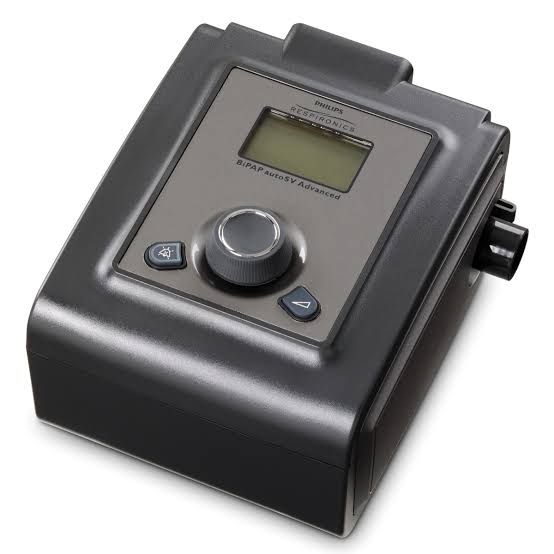
The philips BiPAP Auto SV Advanced System is a servo-ventilation device designed for adult patients who need non-invasive breathing support for complex sleep-disordered breathing, including obstructive sleep apnea with central sleep apnea or Cheyne-Stokes respiration. It is built to automatically adjust pressure support breath by breath, helping stabilize breathing patterns while improving comfort during sleep.
This system stands out for its auto-adjusting EPAP, Bi-Flex comfort technology, integrated heated humidification support, and detailed therapy data storage for clinicians and patients. The philips BiPAP Auto SV Advanced System is especially useful for users whose breathing needs vary through the night due to sleep stage, body position, medication use, or changes in ventilatory demand. It is commonly used in sleep clinics, home therapy programs, and long-term respiratory care plans.
Typical pricing for the device can vary significantly depending on whether it is purchased new, refurbished, or as part of a clinic package. A reasonable estimate for the philips BiPAP Auto SV Advanced System in the current market is about $1,300 to $3,000, with availability often limited through specialty durable medical equipment suppliers and sleep therapy providers. Because this model is older than newer ASV platforms, stock may be inconsistent, and many buyers compare it with more recent Philips or ResMed alternatives before purchasing.
Technical Specifications and Key Features
- Device type: Adaptive servo-ventilation system for complex sleep apnea therapy.
- Pressure range: EPAP 4–25 cm H2O; IPAP up to 30 cm H2O in standard operation.
- Breath rate range: 4 to 30 BPM with clinically guided support.
- Inspiration time: 0.5 to 3 seconds for customizable ventilatory timing.
- Comfort features: Bi-Flex pressure relief and ramp settings from 0 to 45 minutes.
- Starting ramp pressure: 4 cm H2O or EPAP minimum, patient adjustable.
- Dimensions: Approximately 7 in x 5.5 in x 4 in without humidifier.
- Weight: Around 3 to 3.4 lbs depending on configuration.
- Power: 100–240 VAC, 50/60 Hz for travel-friendly universal input.
- Data storage: On-board storage up to 6 months; SD card storage for extended tracking.
- Humidification: Compatible with Philips heated humidifier systems.
- Filters: Foam filter with optional ultra-fine filtration.
Compared with standard BiPAP devices, this ASV model offers more advanced breath-by-breath control and better support for central events. Compared with newer ASV machines, it remains competitive for comfort and therapy flexibility, though newer platforms may offer quieter operation, updated interfaces, and broader connectivity.
Pros and Cons of the Philips BiPAP Auto SV Advanced System
Pros
- Highly adaptive therapy: Automatically responds to obstructive and central apneas, making it well suited for complex sleep apnea management.
- Comfort-focused design: Bi-Flex pressure relief and ramp settings help reduce the feeling of pressure at sleep onset and during exhalation.
- Good data tracking: Therapy data storage supports clinical follow-up and prescription adjustments.
- Wide pressure capability: Useful for patients with variable therapy needs or higher pressure requirements.
- Reliable build quality: Philips Respironics systems are known for durable medical-grade construction.
Cons
- Older platform: Compared with newer ASV devices, the interface and feature set may feel dated.
- Availability issues: New units can be difficult to find, and many listings are refurbished or used.
- Accessory dependence: Best results often require compatible humidifiers, tubing, masks, and data cards.
- Value for money: Still strong for specialized therapy, but less attractive if a buyer wants the latest smart features or wireless reporting.
For users who need proven servo-ventilation and are comfortable with a more traditional machine, the philips BiPAP Auto SV Advanced System offers strong value. Buyers comparing it with ResMed ASV devices may prefer newer controls and connectivity, but Philips remains appealing for comfort and therapy adaptability.
Customer Reviews and Real-World Feedback
Average user sentiment for the philips BiPAP Auto SV Advanced System is generally positive, with many therapy users rating it around 4.2 out of 5 stars for comfort and breathing stability. Common praise centers on smoother sleep, fewer awakenings, and the machine’s ability to adapt automatically to changing breathing patterns.
- ★★★★★ “It finally stabilized my breathing at night.” Users with complex sleep apnea often report better therapy success than with standard bilevel units.
- ★★★★☆ “Comfort is excellent, but the setup takes time.” Many buyers like the pressure relief and humidification support, though first-time users may need clinician guidance.
- ★★★☆☆ “Great therapy, older interface.” A frequent complaint is the dated display and the lack of modern wireless monitoring.
- ★★★★☆ “Solid machine if you find it at the right price.” Value for money is considered fair, especially for refurbished units from reputable suppliers.
Most complaints involve availability, accessory costs, and the fact that the device is no longer a cutting-edge release. For patients who need a dependable ASV solution and prioritize therapy performance over smart features, the philips BiPAP Auto SV Advanced System remains a strong purchase choice.
Who Should Buy the Philips BiPAP Auto SV Advanced System?
This device is best for adults diagnosed with complex sleep apnea, central sleep apnea, or Cheyne-Stokes respiration who need advanced non-invasive ventilation. It is also a practical choice for users already familiar with Philips sleep therapy equipment and those looking for a reliable, clinically established ASV device rather than a latest-generation smart model.
If your priority is breath stabilization, comfort, and proven adaptive therapy, the philips BiPAP Auto SV Advanced System is still a compelling option. If you want the newest app-based monitoring, quieter operation, or more compact modern styling, newer alternatives may be a better fit.
Final Verdict
The philips BiPAP Auto SV Advanced System remains a respected adaptive servo-ventilation device for specialized sleep therapy. It combines automatic pressure support, comfort features, and robust data tracking in a package that continues to serve patients with complex breathing needs well. While it is no longer the newest option on the market, its performance, dependability, and therapy flexibility keep it relevant for many users.
Faqs
How do I set up philips BiPAP Auto SV Advanced System for the first time?
What should I do if philips BiPAP Auto SV Advanced System shows high mask leak warnings?
Why does philips BiPAP Auto SV Advanced System feel too strong or uncomfortable at night?
Which masks and accessories are compatible with philips BiPAP Auto SV Advanced System?
How do I clean and maintain philips BiPAP Auto SV Advanced System safely?
What causes philips BiPAP Auto SV Advanced System to stop delivering therapy during the night?
How can I optimize sleep quality with philips BiPAP Auto SV Advanced System?
How do I know if philips BiPAP Auto SV Advanced System needs service or repair?
More philips manuals
Leave a Comment