
Philips 9000-Series Electric Toothbrush User Manual
Content
Philips 9000-Series Electric Toothbrush Review and User Manual
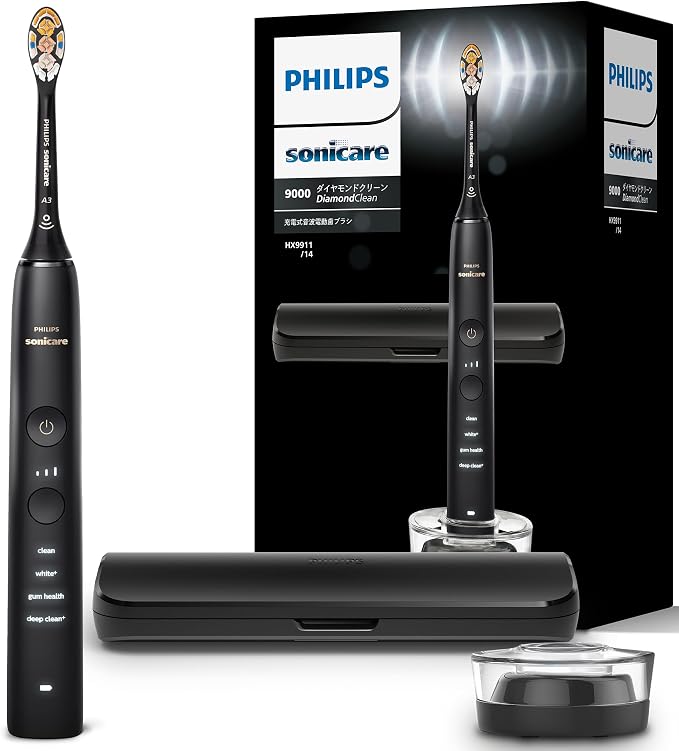
The Philips 9000-Series Electric Toothbrush is a premium sonic toothbrush designed for users who want a more advanced, personalized cleaning experience at home. Built for daily oral care, it combines powerful sonic vibrations, multiple brushing modes, and smart pressure guidance to help remove plaque while protecting gums. The Philips 9000-Series Electric Toothbrush is especially appealing to people with sensitive teeth, orthodontic appliances, or a strong interest in guided brushing routines that support better habits over time.
One of its biggest strengths is the balance between performance and comfort. With up to 62,000 brush movements per minute, the toothbrush delivers a deep yet gentle clean that many users find noticeably more effective than a basic manual brush. Most versions include features such as three intensity levels, four brushing modes, app connectivity, pressure sensors, and BrushSync-style reminders that help users maintain the brush head and improve technique. These features make it a strong fit for adults, frequent travelers, and anyone upgrading from an entry-level electric toothbrush.
In terms of pricing, the Philips 9000-Series Electric Toothbrush usually sits in the premium range, often around $200 to $300 depending on the retailer, bundle, and included accessories. Availability is generally broad through major online stores, electronics retailers, and Philips-branded product pages, though exact package contents can vary by region. For shoppers comparing sonic toothbrushes, this model is often positioned against other premium options from Oral-B and Sonicare’s own newer connected models.
Specifications for Philips 9000-Series Electric Toothbrush
- Brushing technology: Sonic cleaning with approximately 62,000 brush movements per minute for effective plaque removal and gum care.
- Brushing modes: Typically includes Clean, White+, Deep Clean+, and Gum Health modes for different oral care goals.
- Intensity settings: Three levels, usually low, medium, and high, for customizing comfort and cleaning power.
- Power system: Rechargeable lithium-ion battery with a battery life that can last up to about 14 days on a full charge, depending on usage.
- Charging: Rechargeable base or glass charger depending on the package.
- Smart features: Pressure sensor, app connectivity on select versions, and brushing feedback for better technique.
- Compatibility: Works with Philips Sonicare brush heads designed for the 9000 series.
- Travel readiness: Many bundles include a travel case, making it useful for business trips and vacations.
- Warranty: Commonly sold with a 2-year limited warranty.
Compared with mid-range electric toothbrushes, the Philips 9000-Series Electric Toothbrush offers more customization, stronger smart features, and a more polished user experience. Against simpler sonic brushes, it stands out for app support, premium build quality, and pressure-sensing guidance, though it usually costs more than basic alternatives.
Troubleshooting Philips 9000-Series Electric Toothbrush Problems
If the toothbrush does not turn on, the battery may be fully drained. Place the handle on the charger for at least 24 hours and confirm the power source is active. If brushing power feels weak or vibration drops, recharge the unit and check that the brush head is attached securely. A loose head can reduce performance and make the brush feel inconsistent.
If the pressure sensor light stays on, brushing pressure is likely too strong. Ease off the force and let the sonic motion do most of the work. If the brush head does not fit properly, verify that you are using a genuine Philips Sonicare compatible head for the 9000 series. Some users also report connectivity issues with the companion app; in those cases, restarting Bluetooth, updating the app, and re-pairing the toothbrush usually helps.
Common error codes are often tied to charging or pairing issues rather than serious hardware faults. Preventive care includes rinsing and drying the brush head after use, avoiding water intrusion into the charging base, and replacing brush heads every three months or sooner if bristles are worn. Warranty support is typically covered by a 2-year limited warranty, and help is usually available through Philips customer service, the official support portal, or the retailer where the product was purchased.
Pros and Cons of the Philips 9000-Series Electric Toothbrush
Pros
- Excellent cleaning performance with strong sonic action and high-frequency brushing.
- Multiple modes and intensities make it easy to personalize brushing for sensitive gums, whitening, or deep cleaning.
- Pressure sensor technology helps reduce the risk of brushing too hard.
- Premium accessories such as a travel case and charger add convenience for frequent travelers.
- Strong value for users who want advanced features in one device rather than a basic electric toothbrush.
Cons
- Higher price than many entry-level and mid-range electric toothbrushes.
- Replacement brush heads can add to long-term ownership cost.
- Some users may find the smart app features unnecessary if they only want simple brushing.
- Charging accessories may vary by region, which can complicate comparisons between bundles.
Overall, the Philips 9000-Series Electric Toothbrush is a strong choice for users who want premium performance and advanced guidance. It competes well against other high-end sonic toothbrushes, especially for people who value comfort, cleaning power, and a polished feature set.
Customer Reviews of Philips 9000-Series Electric Toothbrush
Customer feedback for the Philips 9000-Series Electric Toothbrush is generally very positive, with many users giving it around 4.5 out of 5 stars. Common praise includes the noticeable clean feeling, smooth brushing action, and easy transition from manual brushes. One frequent comment is that the pressure sensor helps users improve technique almost immediately.
Typical complaints focus on the premium price, the cost of replacement heads, and occasional app connectivity issues. Some users also note that the toothbrush feels powerful at first, especially on the higher settings, but this often improves once they adjust the intensity. A common recommendation is to start on low or medium mode and gradually increase as needed.
For shoppers looking for a premium sonic toothbrush with strong everyday performance, this model is often recommended. For buyers on a tight budget, a simpler electric toothbrush may be a better fit.
Faqs
How do I set up the philips 9000-Series Electric Toothbrush for the first time?
Why is my philips 9000-Series Electric Toothbrush not turning on or holding a charge?
What brushing mode on the philips 9000-Series Electric Toothbrush should I use for sensitive gums?
How do I stop the philips 9000-Series Electric Toothbrush from feeling too strong or vibrating too much?
Which replacement brush heads are compatible with the philips 9000-Series Electric Toothbrush?
How can I get better plaque removal from the philips 9000-Series Electric Toothbrush?
What is the best way to clean and maintain the philips 9000-Series Electric Toothbrush?
Why does the philips 9000-Series Electric Toothbrush stop briefly while brushing?
More philips manuals
- Setup: Philips 6 Series Roku TV User Manual
- Philips TAH4205 Headphones 4000-Series User Manual
- Philips HX3211 Sonicare electric toothbrush User Manual
- Philips HTS3400 DVD Video Home Theater System User Manual
- Philips 5000 Series Headphones TAH5209 User Manual
- Setup: Philips HTL5160B Soundbar Speaker User Manual
Leave a Comment