
Philips F20 Amara Minimal Contact Full-Face Mask User Manual
Content
Philips F20 Amara Minimal Contact Full-Face Mask: Complete Product Manual
Introduction
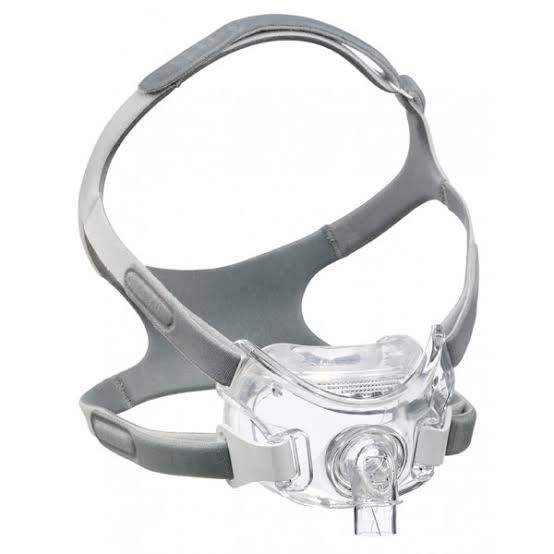
The Philips F20 Amara Minimal Contact Full-Face Mask is designed for CPAP and bi-level therapy users who want a secure seal with less facial contact. Its under-the-nose cushion helps reduce pressure on the nasal bridge while maintaining coverage for both mouth and nose breathing. This makes it a popular choice for users who experience discomfort with traditional full-face masks, especially those who want a clearer field of vision for reading, wearing glasses, or watching TV before sleep.
One of the main advantages of this minimal contact full-face mask is its low-profile design. By avoiding a forehead support bar and limiting contact points, it can feel less bulky and less restrictive than conventional CPAP masks. The adjustable headgear and quick-release connection make nightly use and cleaning more convenient, while the silicone cushion supports comfort and leak control for a wide range of sleep positions.
The Philips F20 Amara Minimal Contact Full-Face Mask is well suited for mouth breathers, side sleepers, and users who dislike pressure marks on the face. It is also a practical option for people who want a quieter, more streamlined mask setup. Estimated retail pricing generally falls in the mid-range CPAP mask category, often around $120 to $150 depending on bundle, size, and seller availability. It is commonly available through CPAP retailers, online medical supply stores, and some healthcare suppliers.
Specifications and Key Features for the Philips F20 Amara Minimal Contact Full-Face Mask
- Mask type: Minimal contact full-face CPAP mask
- Coverage: Seals under the nose and around the mouth
- Cushion material: Silicone
- Frame style: Low-profile, open-vision design
- Headgear: Adjustable with quick-release clips
- Connection: Front-facing hose attachment with swivel support
- Pressure range support: Commonly used across standard CPAP and bi-level therapy ranges, typically up to 30 cm H2O depending on setup
- Size options: Usually available in multiple cushion sizes for better fit
- Construction: Latex-free and designed for single-patient home use
- Noise control: Venting system designed to support quiet operation
- Best use cases: Mouth breathing, claustrophobia-sensitive users, glasses wearers, and side sleepers
Compared with traditional full-face masks, this model is lighter and less intrusive. Compared with nasal masks, it offers better support for users who breathe through the mouth during sleep. In practical use, the Philips F20 Amara Minimal Contact Full-Face Mask stands out for its balance of comfort, visibility, and seal stability.
Troubleshooting Common Problems with the Philips F20 Amara Minimal Contact Full-Face Mask
- Air leaks around the cushion: Refit the mask while lying in your normal sleep position and adjust the straps gradually. Check that the cushion size matches your face shape.
- Red marks or skin irritation: Loosen over-tightened straps, clean the cushion daily, and ensure the mask is not resting too high on the nose bridge.
- Dry mouth or dryness: Use a heated humidifier, check therapy settings, and verify that mouth breathing is properly supported by the mask fit.
- Noise or whistling: Inspect the vent ports, swivel, and cushion seal for debris or wear. Replace damaged components if needed.
- Poor seal after turning in bed: Reposition the headgear and confirm that the frame sits centered. Side sleepers may need slightly more strap tension.
- No error code display: This is a passive mask and does not typically generate electronic error codes. Any issue usually relates to fit, seal, hose connection, or worn parts.
Preventive care includes daily cushion cleaning, regular inspection of headgear elasticity, and replacement of worn parts before seal performance drops. Warranty coverage typically depends on the seller and included packaging, so keep your receipt and product documentation. For support, contact your CPAP supplier, Philips customer service, or the durable medical equipment provider that sold the mask. If symptoms persist, ask a sleep specialist or respiratory therapist for a refit.
Pros and Cons of the Philips F20 Amara Minimal Contact Full-Face Mask
Pros
- Minimal contact design reduces pressure on the nasal bridge and cheeks
- Wide field of vision makes it easier to read or wear glasses before bed
- Good choice for mouth breathers and users needing a full-face seal
- Quick-release features simplify nightly removal and cleaning
- Comfortable for many side sleepers compared with bulkier full-face masks
- Strong value for users who want comfort without moving to a hybrid or nasal-only system
Cons
- May take time to find the correct cushion size and strap tension
- Can leak if over-tightened or positioned too high on the face
- Some users prefer even lighter hybrid masks or nasal cradle styles
- Not ideal for people who need maximum facial coverage or forehead support
- Replacement parts and cushions add to long-term ownership cost
For value for money, this model is competitive in the mid-range CPAP mask market. It is often a better comfort-focused choice than older traditional full-face masks, while remaining more secure than many minimal-contact nasal options.
Customer Reviews: What Users Say About This Minimal Contact Full-Face CPAP Mask
Overall ratings for the Philips F20 Amara Minimal Contact Full-Face Mask are commonly positive, with many users giving it 4 out of 5 stars or higher. Customers frequently praise the open field of vision, lightweight feel, and reduced nose-bridge pressure. One user described it as “the first full-face mask I could wear without waking up with red marks.”
Common complaints include the learning curve for getting the correct seal and occasional leaks if the mask is not adjusted properly. Some buyers also note that replacement cushions can wear over time, especially with nightly use. Despite this, many users recommend it for mouth breathers, claustrophobic users, and anyone switching from a bulkier traditional mask.
If comfort, visibility, and reduced facial pressure are top priorities, this mask is a strong purchase recommendation. Users who want the most stable fit should choose the correct size and follow a careful fitting routine before first use.
Faqs
How do I set up the philips F20 Amara Minimal Contact Full-Face Mask for the first time?
What should I do if the philips F20 Amara Minimal Contact Full-Face Mask is leaking air at night?
Which CPAP machines and therapy settings work with the philips F20 Amara Minimal Contact Full-Face Mask?
Why does the philips F20 Amara Minimal Contact Full-Face Mask feel uncomfortable on my nose or cheeks?
How can I reduce noise from the philips F20 Amara Minimal Contact Full-Face Mask during sleep?
How do I clean and maintain the philips F20 Amara Minimal Contact Full-Face Mask properly?
What are the most common philips F20 Amara Minimal Contact Full-Face Mask fit problems and how do I fix them?
How often should I replace parts on the philips F20 Amara Minimal Contact Full-Face Mask for best performance?
Leave a Comment