
Philips Glass Charger Sonic Electric Toothbrush User Manual
Content
Philips Glass Charger Sonic Electric Toothbrush Manual
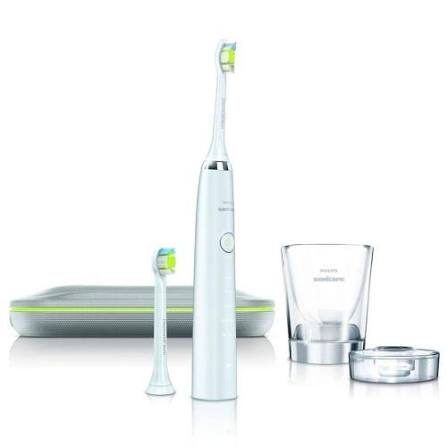
Introduction to the Philips Glass Charger Sonic Electric Toothbrush
The Philips Glass Charger Sonic Electric Toothbrush is a premium rechargeable oral-care system designed for users who want effective plaque removal, a refined charging experience, and a modern bathroom-friendly design. Its signature glass charging cup doubles as a stylish storage piece and charging dock, making it especially appealing for users who value both performance and aesthetics. This type of Sonicare toothbrush is commonly chosen for daily cleaning, gum care, and travel-ready convenience, especially by people upgrading from a basic manual brush or an entry-level electric toothbrush.
One of the main benefits of the Philips Glass Charger Sonic Electric Toothbrush is its sonic cleaning action, which uses high-frequency brush movements to help clean along the gumline and between teeth. The glass charger is not only practical but also helps the brush feel less like a gadget and more like a premium personal-care device. Depending on the model, users may also get a charging stand, travel case, multiple brushing modes, and smart reminders for better brushing habits.
This product is ideal for adults, teens, and anyone looking for a consistent electric brushing routine with a sleek countertop setup. It is also a strong fit for households that prefer premium bathroom accessories and easy charging without bulky plastic docks. In current market conditions, the estimated price range for a Philips Glass Charger Sonic Electric Toothbrush typically falls around the mid-to-premium category, with replacement glass chargers often sold separately at a lower price point. Availability is generally broad through Philips retail channels, major online stores, and personal-care accessory sellers.
How to Use the Philips Glass Charger Sonic Electric Toothbrush
Basic setup and charging
- Rinse the brush head before first use and attach it firmly to the handle.
- Place the handle upright in the charging glass or charging stand.
- Connect the charging base to a suitable power source.
- Charge fully before first use for the best battery performance.
Brushing routine
- Apply a pea-sized amount of toothpaste.
- Guide the brush gently from tooth to tooth without hard pressure.
- Use each quadrant of the mouth for an even clean.
- Rinse the brush head after use and let it air dry.
Troubleshooting the Philips Glass Charger Sonic Electric Toothbrush
Common issues with the Philips Glass Charger Sonic Electric Toothbrush usually involve charging, power, or brush-head connection problems. If the handle does not charge, confirm that the glass cup is properly seated on the charging base and that the power outlet is working. If the brush turns off unexpectedly, the battery may be low, the brush head may not be attached correctly, or the handle may need a reset by removing it from the charger and placing it back again.
Some Philips Sonicare models may show simple indicator alerts rather than detailed error codes. A flashing battery light usually means the unit is charging or needs a recharge, while a pulsing light can indicate that the handle is not seated correctly on the charger. If the device does not respond at all, inspect the charging glass for cracks, ensure the base is dry, and clean the contact area with a soft cloth. Preventive care matters: avoid overfilling the glass with water, keep the charger away from sinks and splashes, and store the toothbrush in a dry, ventilated area.
Philips Sonicare toothbrushes generally carry a two-year warranty in many markets, and support is typically available through the official Philips support center. For help, users should check their regional Philips support website, product registration page, or customer care hotline listed for their country. If the issue appears to be a defective charger, handle, or charging glass, warranty replacement may be available with proof of purchase.
Pros and Cons of the Philips Glass Charger Sonic Electric Toothbrush
Pros
- Premium glass charger adds a stylish, modern look to the bathroom.
- Sonic cleaning action provides a thorough daily clean with minimal effort.
- Comfortable to use for beginners and experienced electric toothbrush users.
- Often includes useful features such as charging reminders and multiple modes.
- Strong value for users who want a luxury-feeling oral care setup.
Cons
- The glass charger can be more fragile than a standard plastic charging dock.
- Replacement parts may cost more than basic electric toothbrush accessories.
- Some buyers may prefer simpler models if they only want essential brushing functions.
- Not the cheapest option compared with entry-level Sonicare alternatives.
Compared with budget electric toothbrushes, the Philips Glass Charger Sonic Electric Toothbrush offers better design and a more premium user experience. Compared with higher-end smart brushes, it can be more affordable while still delivering solid cleaning performance and elegant charging convenience.
Customer Reviews for the Philips Glass Charger Sonic Electric Toothbrush
Customer feedback for the Philips Glass Charger Sonic Electric Toothbrush is generally positive, with many users rating it around 4.5 out of 5 stars for design, comfort, and cleaning results. Buyers often praise the quiet operation, smooth brushing feel, and the attractive glass charging cup that looks more upscale than a standard charger. A common testimonial style comment is: “It feels premium, charges easily, and makes my bathroom counter look cleaner.”
Common complaints tend to focus on price, the fragility of the glass accessory, and the cost of replacement parts. Some users also mention that they would like clearer battery indicators or longer travel-friendly battery life. Despite these issues, most reviews recommend it for users who want a high-quality Sonicare toothbrush with a polished charging system and dependable daily performance.
Frequently Asked Questions
Is the Philips Glass Charger Sonic Electric Toothbrush worth buying?
Yes, it is a strong choice for users who want premium design, reliable sonic cleaning, and a stylish charging setup.
Can the glass charger be replaced?
Yes, replacement charging glasses and charging bases are commonly available through Philips and accessory retailers.
How long does the battery last?
Battery life varies by model and usage, but Sonicare rechargeable brushes are designed for regular daily use between charges.
What should I do if it stops charging?
Check the outlet, clean the charger, reseat the handle, and contact Philips support if the problem continues.
Faqs
How do I set up the philips Glass Charger Sonic Electric Toothbrush for the first time?
Why is my philips Glass Charger Sonic Electric Toothbrush not charging on the glass charger?
Which brush heads are compatible with the philips Glass Charger Sonic Electric Toothbrush?
What should I do if the philips Glass Charger Sonic Electric Toothbrush vibrates too strongly or feels uncomfortable?
How do I clean and maintain the philips Glass Charger Sonic Electric Toothbrush properly?
How long does the battery last on the philips Glass Charger Sonic Electric Toothbrush?
Can the philips Glass Charger Sonic Electric Toothbrush be used while traveling?
Why does my philips Glass Charger Sonic Electric Toothbrush stop during brushing or pulse unexpectedly?
More philips manuals
- Philips FlexCare Platinum Sonicare Toothbrush User Manual
- Philips Mini Massage Gun PPM7302 User Manual
- Philips PPM7521 Sports Massage Gun User Manual
- Philips DreamStation Heated Humidifier User Manual
- Philips Sonicare DiamondClean Electric Toothbrush User Manual
- Philips sonicare Kids Toothbrush User Manual
Leave a Comment