
Philips Sonicare Electric Toothbrush User Manual
Content
Philips Sonicare Electric Toothbrush Manual: Complete Guide for Better Daily Oral Care
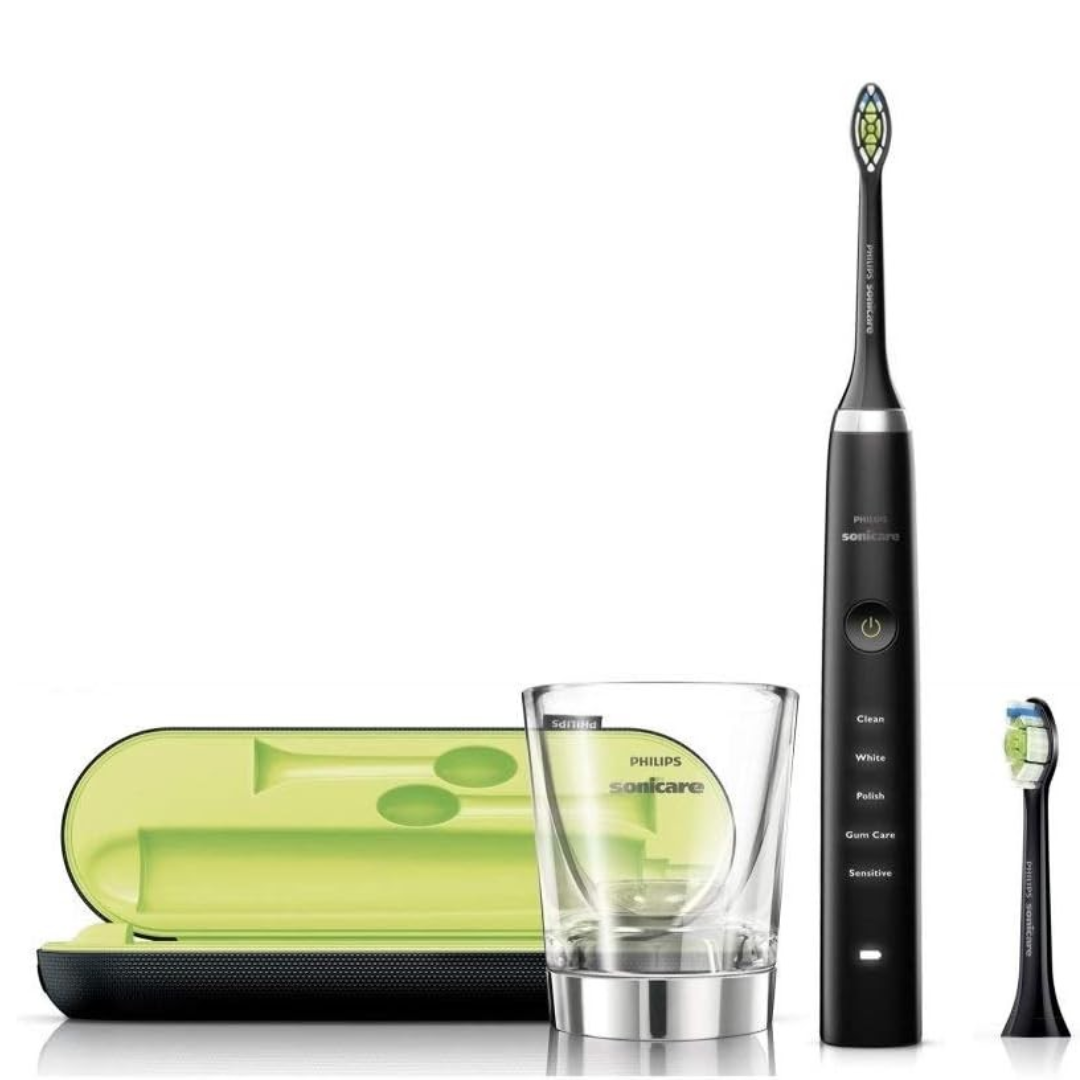
The Philips Sonicare Electric Toothbrush is a popular sonic toothbrush designed to make daily brushing more effective, more consistent, and easier for users of all experience levels. Known for its high-frequency brush motion, built-in timers, pressure-sensing technology on many models, and long battery life, it is widely used for plaque removal, gum care, whitening support, and general oral hygiene. Whether you are switching from a manual toothbrush or upgrading to a premium rechargeable electric toothbrush, Philips Sonicare offers a range of models to fit different needs and budgets.
Common use cases include everyday cleaning, sensitive-teeth routines, travel-friendly brushing, and guided oral care for users who want a simpler, more disciplined brushing habit. Entry-level models such as the 1100 and 4100 Series focus on core cleaning performance, while higher-end options like ProtectiveClean and DiamondClean add pressure sensors, multiple brushing modes, and app-connected features. Estimated pricing typically starts around budget-friendly entry-level levels and can rise into premium territory depending on the series, accessories, and retailer promotions. In 2026, availability remains strong through major online and in-store retailers, as well as Philips’ official product channels. For shoppers comparing electric toothbrushes, the Philips Sonicare Electric Toothbrush stands out for its balance of cleaning performance, ease of use, and trusted brand support.
Philips Sonicare Electric Toothbrush Specifications and Key Features
- Sonic cleaning action with high-speed brush head movement designed to remove plaque efficiently and improve overall brushing coverage.
- Rechargeable lithium-ion battery on many models, with battery life commonly lasting up to 14 days on entry-level versions and up to 3 weeks on premium models.
- Built-in two-minute timer and quad-pacer on many versions to help users follow dentist-recommended brushing duration.
- Pressure sensor on select models to reduce aggressive brushing and protect gums and enamel.
- Multiple brushing modes on mid-range and premium models, including Clean, Sensitive, White, and Gum Health.
- BrushSync-compatible heads on certain models for smarter replacement reminders and mode matching.
- Travel cases, USB charging, and compact charging bases available depending on the model.
- Typical warranty coverage is 2 years on many Philips Sonicare models.
Compared with standard manual brushes, the Philips Sonicare Electric Toothbrush offers more consistent motion and better brushing discipline. Compared with many budget spin brushes, Sonicare models are often quieter and feel gentler, making them a strong option for users with sensitive teeth. Higher-end competitors may offer more app features, but Sonicare remains competitive for everyday cleaning performance and reliability.
Troubleshooting Philips Sonicare Electric Toothbrush Problems and Fixes
If your Philips Sonicare Electric Toothbrush does not turn on, first charge it for several hours and check that the charger and handle are properly aligned. If brushing power feels weak, replace the brush head if it is worn, clean the metal shaft and brush head connection, and confirm the battery is fully charged. If the pressure sensor activates too often, reduce brushing force and let the sonic motion do the work.
- Not charging: Check outlet power, clean the charger base, and reseat the handle.
- Weak vibration: Replace the brush head, fully charge the battery, and inspect for debris around the connector.
- Random stopping: Check whether the brush head is firmly attached and verify battery condition.
- Button not responding: Perform a full charge cycle and try a reset by removing the brush head and reconnecting power.
- Unusual noise or shaking: Ensure the brush head is original, correctly fitted, and not damaged.
Many Sonicare models do not use traditional error codes, so most issues are solved through charging, cleaning, and brush head replacement. To prevent problems, rinse the handle after use, avoid overcharging when not needed, and replace the brush head every three months. Philips Sonicare products commonly include a 2-year warranty, and support is available through Philips customer service, product registration pages, and authorized retailers for repair or replacement guidance.
Pros and Cons of the Philips Sonicare Electric Toothbrush
Pros
- Strong cleaning performance with sonic technology that helps remove plaque efficiently.
- Gentle feel compared with many rotating toothbrushes, making it suitable for sensitive gums.
- Simple operation with helpful timers and pressure alerts on many models.
- Excellent battery life on most versions, especially higher-tier models.
- Wide product range, from affordable starter brushes to premium smart toothbrushes.
Cons
- Replacement brush heads can add to long-term ownership cost.
- Premium models may be expensive compared with basic electric toothbrush alternatives.
- Some users prefer the stronger scrubbing feel of oscillating toothbrushes.
- App-connected features are not included on every model.
For value for money, the mid-range Philips Sonicare Electric Toothbrush models often deliver the best balance of performance and price. Budget options are ideal for first-time electric toothbrush users, while premium options compete well with advanced smart brushes from other brands. Shoppers who want easy daily use, strong battery life, and a gentle brushing experience will usually find Sonicare a dependable choice.
Customer Reviews for Philips Sonicare Electric Toothbrush
Customer feedback is generally positive, with many users giving the Philips Sonicare Electric Toothbrush ratings around 4.4 to 4.6 out of 5 stars on major retail sites. Reviewers often praise the clean feeling after brushing, the long battery life, and the easy-to-use design. A common testimonial theme is: “It feels gentler than my old toothbrush, but my teeth still feel thoroughly clean.”
- Most praised: cleaning power, quiet operation, and comfortable brushing.
- Common complaints: brush head cost, occasional charging issues, and model-to-model feature differences.
- Frequently mentioned concern: some users want a smaller brush head or stronger vibration.
- Purchase recommendation: a strong buy for users seeking a reliable sonic toothbrush with simple controls.
Overall, reviews suggest that Philips Sonicare remains a trusted choice for people who want effective daily oral care without a complicated learning curve.
Faqs
How do I set up a Philips Sonicare Electric Toothbrush for the first time?
What should I do if my Philips Sonicare Electric Toothbrush is not charging?
Why does my Philips Sonicare Electric Toothbrush turn off during brushing?
Which brush heads are compatible with a Philips Sonicare Electric Toothbrush?
How do I switch brushing modes on a Philips Sonicare Electric Toothbrush?
How can I make my Philips Sonicare Electric Toothbrush clean better?
How often should I replace the brush head on a Philips Sonicare Electric Toothbrush?
How do I clean and maintain a Philips Sonicare Electric Toothbrush?
More philips manuals
Leave a Comment