
Setup: Trystar Gds-Line Series Generator Docking Station User Manual
Content
Trystar GDS-Line Series Generator Docking Station: Product Manual and Buyer Guide
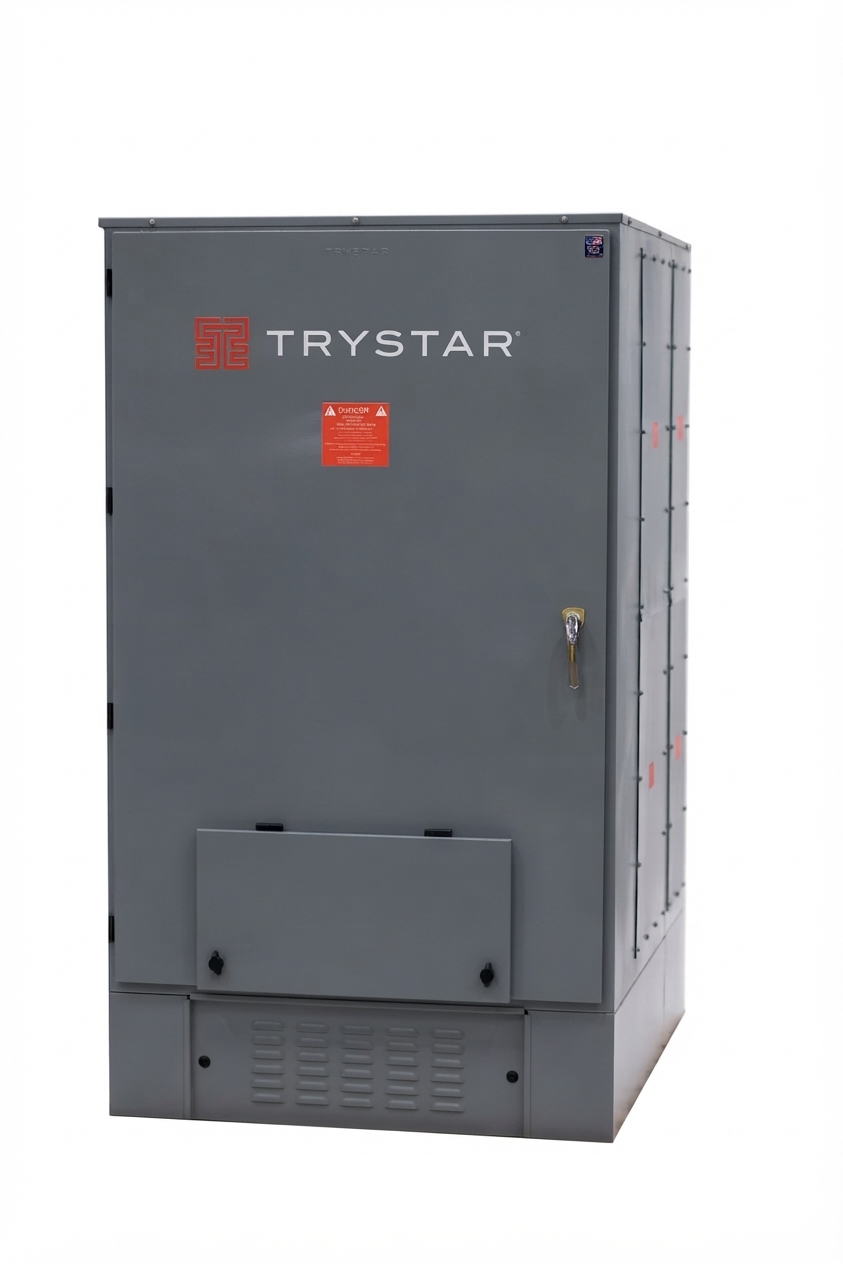
Introduction to the Trystar GDS-Line Series Generator Docking Station
The Trystar GDS-Line Series Generator Docking Station is a heavy-duty power connection solution designed to safely connect a portable generator to a building, facility, lift station, or critical equipment during outages, maintenance, or planned shutdowns. Built for commercial and industrial environments, the Trystar GDS-Line Series Generator Docking Station supports a wide electrical range, with models available from 100A to 5000A and voltage options up to 600V, making it suitable for hospitals, wastewater facilities, data centers, commercial buildings, and emergency response applications.
One of the key advantages of the Trystar GDS-Line Series Generator Docking Station is its flexible configuration. Buyers can choose from different enclosure types, breaker arrangements, and interlock options depending on the project’s safety and load transfer requirements. The product family also includes single-purpose and dual-purpose solutions, helping facilities streamline generator connection and improve continuity of operations. Common features include rugged NEMA-rated enclosures, UL 1008 compliance, ETL listing, and camlock-based connection points for fast deployment.
This docking station is best suited for facility managers, electrical contractors, emergency power planners, and industrial operations teams that need a reliable temporary power interface. The estimated price range typically starts around the lower thousands for smaller configurations and can rise significantly for high-ampacity custom builds, advanced enclosure materials, and interlocked systems. Availability is generally through Trystar representatives and industrial electrical distributors, with lead times varying by specification and configuration. For organizations that need dependable temporary power infrastructure, the Trystar GDS-Line Series Generator Docking Station offers strong value through safety, scalability, and long service life.
Pros & Cons of the Trystar GDS-Line Series Generator Docking Station
Pros
- Wide ampacity range: Supports applications from smaller facilities to large mission-critical loads, which makes the Trystar GDS-Line Series Generator Docking Station highly adaptable.
- Industrial-grade construction: NEMA 3R and NEMA 4X enclosure options improve durability in outdoor, wet, or corrosive environments.
- Safety-focused design: UL 1008 listing, ETL compliance, and breaker/interlock options help simplify safe generator transfer.
- Flexible configuration: Multiple voltage, phase, and breaker choices make it easier to match existing electrical systems.
- Strong long-term value: Compared with lower-cost generic docking stations, this system is built for reliability, reduced downtime, and professional installation.
Cons
- Higher upfront cost: Premium materials and custom options can make it more expensive than basic generator inlet boxes.
- Professional installation required: This is not a plug-and-play product for most users and should be installed by qualified electrical personnel.
- Specification complexity: Choosing the right ampacity, enclosure, and breaker setup may require engineering support.
- Lead times may vary: Custom configurations can take longer to source than off-the-shelf alternatives.
Compared with simpler generator connection boxes, the Trystar GDS-Line Series Generator Docking Station is better suited for critical infrastructure, while budget alternatives may work for smaller, less demanding sites. For buyers prioritizing uptime, compliance, and long-term reliability, the higher price is often justified.
Customer Reviews and Real-World Feedback
Users commonly rate the Trystar GDS-Line Series Generator Docking Station between 4.5 and 5 stars for build quality, reliability, and clean installation. Facility teams frequently praise the sturdy enclosure, clear labeling, and the confidence that comes with a professionally engineered transfer solution. One maintenance manager noted, “It gave us a fast, safe connection point for backup power during shutdowns, and the install felt robust from day one.”
Common complaints tend to focus on cost, delivery time, and the need to select the correct configuration up front. Some buyers also mention that advanced options such as interlocks, breaker arrangements, and high-capacity enclosures can make ordering more technical than expected. Even so, most reviewers consider it a strong purchase for mission-critical operations where uptime matters most.
Overall, the Trystar GDS-Line Series Generator Docking Station is often recommended for organizations that need dependable emergency power access and are willing to invest in a durable, code-conscious solution. For smaller or temporary-use projects, buyers may prefer a less expensive generator inlet setup, but for commercial and industrial use, this product is widely viewed as a premium option.
Trystar GDS-Line Series Generator Docking Station: Key Features at a Glance
- Available in ampacity ratings from 100A to 5000A
- Voltage options include 120/240V, 208Y/120V, 480V, 480Y/277V, and 600V
- Frequency support includes 60Hz, with 50Hz optional
- Enclosure choices include NEMA 3R powder-coated aluminum and NEMA 4X stainless steel
- Designed for safe temporary generator connection during outages and maintenance
- Compatible with commercial, industrial, and critical infrastructure applications
Who Should Buy the Trystar GDS-Line Series Generator Docking Station?
This product is ideal for hospitals, wastewater facilities, campuses, manufacturing plants, commercial buildings, and any site that needs a reliable temporary power connection. It is especially useful for teams searching for a generator docking station for emergency backup power, a generator connection box for maintenance outages, or a high-capacity docking station for critical load transfer.
Frequently Asked Questions
What is a generator docking station used for?
A generator docking station provides a safe, standardized point to connect a portable generator to a building or piece of equipment during outages or maintenance.
Is the Trystar GDS-Line Series Generator Docking Station suitable for outdoor use?
Yes, the available NEMA 3R and NEMA 4X enclosure options support outdoor and harsh-environment installations.
Does it require professional installation?
Yes, installation should be handled by qualified electrical professionals due to the system’s voltage, ampacity, and safety requirements.
Is it worth the price?
For facilities that depend on uninterrupted power and safe generator transfer, the Trystar GDS-Line Series Generator Docking Station offers strong long-term value.
Faqs
How do I set up the trystar Gds-Line Series Generator Docking Station for the first time?
What should I check if the trystar Gds-Line Series Generator Docking Station will not transfer power correctly?
What generator and load requirements must match the trystar Gds-Line Series Generator Docking Station?
Why is the trystar Gds-Line Series Generator Docking Station showing an alarm or fault code?
How can I improve performance and reduce transfer delays on the trystar Gds-Line Series Generator Docking Station?
Is the trystar Gds-Line Series Generator Docking Station compatible with temporary power and mobile generators?
What routine maintenance does the trystar Gds-Line Series Generator Docking Station need?
How do I safely isolate and restart the trystar Gds-Line Series Generator Docking Station after use?
More trystar manuals
- Trystar GDS-6 Dual Purpose Docking Station User Manual
- Installation: Trystar Single Breaker Generator Docking Station User Manual
- Installation: Trystar Dolly Cart Transformer Instruction Manual
- Installation: Trystar Dual Breaker Generator Docking Station User Manual
- Setup: Trystar M850-MP1 Multi Power Meter Instruction Manual
- Setup: Trystar CNV-100 RS-485 2-Wire-to-4-Wire Converter Owner Manual
Leave a Comment