
Audio-Technica 3000 Series UHF Wireless System ATW-R3210 User Manual
Content
Audio-Technica 3000 Series UHF Wireless System ATW-R3210: Complete Product Manual
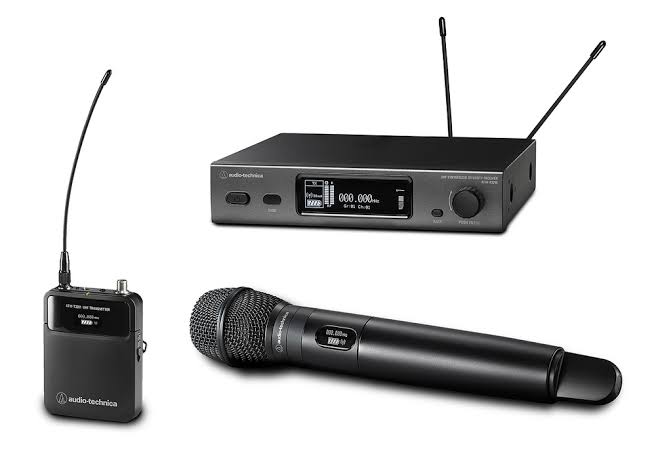
Introduction to the Audio-Technica 3000 Series UHF Wireless System ATW-R3210
The Audio-Technica 3000 Series UHF Wireless System ATW-R3210 is a fourth-generation true-diversity wireless receiver designed for dependable performance in live sound, installed audio, houses of worship, theaters, and corporate AV setups. Built for professional users who need stable UHF wireless transmission, the ATW-R3210 supports a 100 m operating range and delivers clean, low-noise audio with a wide frequency response and strong dynamic range. It is compatible with the ATW-T3201 bodypack transmitter and the ATW-T3202 handheld transmitter, making it a flexible choice for vocal, presentation, and instrument applications.
One of the biggest advantages of the Audio-Technica 3000 Series UHF Wireless System ATW-R3210 is its frequency-agile design, which helps users adapt to changing RF environments and reduce interference. The receiver includes balanced XLR and unbalanced 1/4-inch outputs, BNC antenna inputs, and a compact half-rack design that fits easily into professional rigs. With its robust build and straightforward operation, it appeals to audio technicians, performers, educators, and AV integrators who need a reliable wireless receiver without moving into the higher-cost enterprise tier.
Estimated pricing typically falls around the mid-range professional category, with the receiver commonly listed near $399 and complete wireless system configurations priced higher depending on transmitter and band selection. Availability is generally strong through authorized pro-audio retailers, though exact frequency bands vary by region and should always be matched to local wireless regulations.
Pros and Cons of the Audio-Technica 3000 Series UHF Wireless System ATW-R3210
Pros
- Reliable true-diversity UHF reception for reduced dropouts in busy RF environments.
- 100 m operating range, which works well for medium to large stages and venues.
- Compatible with both bodypack and handheld transmitters for versatile use.
- Balanced XLR and unbalanced output options simplify connection to mixers, speakers, and recording gear.
- Strong value for money compared with premium wireless systems that cost significantly more.
- Well suited for churches, schools, conference rooms, and performance venues that need dependable wireless audio without overpaying for advanced networking features.
Cons
- Not the cheapest option, especially if you need multiple channels or additional transmitters.
- No built-in Ethernet on the standard receiver, so it lacks some of the networking convenience found in networked alternatives.
- Best results depend on proper frequency coordination, so beginners may need some setup guidance.
- For users wanting advanced remote control and monitoring, newer networked receiver alternatives may be more suitable.
Overall, the Audio-Technica 3000 Series UHF Wireless System ATW-R3210 offers excellent value for users who want dependable professional wireless performance without stepping into premium pricing. Compared with entry-level wireless systems, it delivers more robust RF stability and better audio consistency; compared with higher-end alternatives, it sacrifices some advanced control features in exchange for a more approachable price.
Customer Reviews for the Audio-Technica 3000 Series UHF Wireless System ATW-R3210
Users frequently rate the Audio-Technica 3000 Series UHF Wireless System ATW-R3210 around 4.5 out of 5 stars for reliability, sound quality, and ease of integration. Many reviewers praise its clean output, dependable range, and strong performance in real-world venues such as churches and event spaces. A common positive comment is that the receiver feels professional and “just works” once the system is properly configured.
Typical testimonials highlight smooth operation with handheld mics and bodypack transmitters, with one recurring theme being clear voice reproduction and minimal interference when channels are coordinated correctly. Common complaints tend to focus on price, the need to choose the correct regional frequency band, and occasional setup complexity for first-time users. Some buyers also wish for more modern network management features.
For most professional users, this system is a strong purchase recommendation if consistent wireless performance matters more than saving on upfront cost. It is especially appealing for schools, houses of worship, presenters, and AV professionals who need a trustworthy UHF wireless receiver.
Audio-Technica 3000 Series UHF Wireless System ATW-R3210: Key Specifications at a Glance
- Type: UHF true-diversity wireless receiver
- Operating range: 100 m
- Frequency response: 31 Hz to 15,500 Hz with ATW-T3201; 25 Hz to 16,700 Hz with ATW-T3202
- Output connections: XLR balanced and 1/4-inch unbalanced
- Antenna input: BNC-type, 50 ohms
- Power supply: 100–240 V AC to 12 V DC external adapter
- Dimensions: 210.0 mm x 191.0 mm x 43.4 mm
- Weight: 1100 g without accessories
Who Should Buy the Audio-Technica 3000 Series UHF Wireless System ATW-R3210?
This receiver is a strong fit for users who need professional-grade wireless audio for speaking, singing, teaching, or live performance. It is ideal for venues that value clear sound, stable reception, and simple installation. If you want a dependable wireless receiver with solid RF performance and flexible transmitter compatibility, the Audio-Technica 3000 Series UHF Wireless System ATW-R3210 is an excellent choice.
If your workflow requires networking, centralized remote monitoring, or large-scale channel coordination, a networked alternative may be better. For most mid-sized professional applications, however, this model remains a practical and cost-effective wireless solution.
Faqs
How do I set up the audio-technica 3000 Series UHF Wireless System ATW-R3210 for the first time?
What should I do if the audio-technica 3000 Series UHF Wireless System ATW-R3210 has dropouts or weak signal?
Which devices are compatible with the audio-technica 3000 Series UHF Wireless System ATW-R3210 receiver output?
How do I optimize sound quality on the audio-technica 3000 Series UHF Wireless System ATW-R3210?
Why is my audio-technica 3000 Series UHF Wireless System ATW-R3210 making noise or sounding distorted?
How do I choose the best UHF frequency for the audio-technica 3000 Series UHF Wireless System ATW-R3210?
What batteries or power practices help the audio-technica 3000 Series UHF Wireless System ATW-R3210 perform reliably?
How should I clean and maintain the audio-technica 3000 Series UHF Wireless System ATW-R3210 to extend its lifespan?
More audio-technica manuals
- Audio-Technica AT-LP8X Semi-Automatic Direct-Drive Turntable User Manual
- Audio-Technica AT-LP60XUSB Automatic Belt-Drive Turntable User Manual
- Audio-Technica Powered Bookshelf Speakers AT-SP3X User Manual
- Audio-Technica AT2020USB+ Cardioid Condenser USB Microphone User Manual
- Audio-Technica ATH-SQ1TW2 Wireless Headphones User Manual
- Audio-Technica System 10 Wireless Stompbox System ATW-1501 User Manual
Leave a Comment