
Bryant 310A Induced Combustion Gas Furnace User Manual
Content
Introduction to the Bryant 310A Induced Combustion Gas Furnace
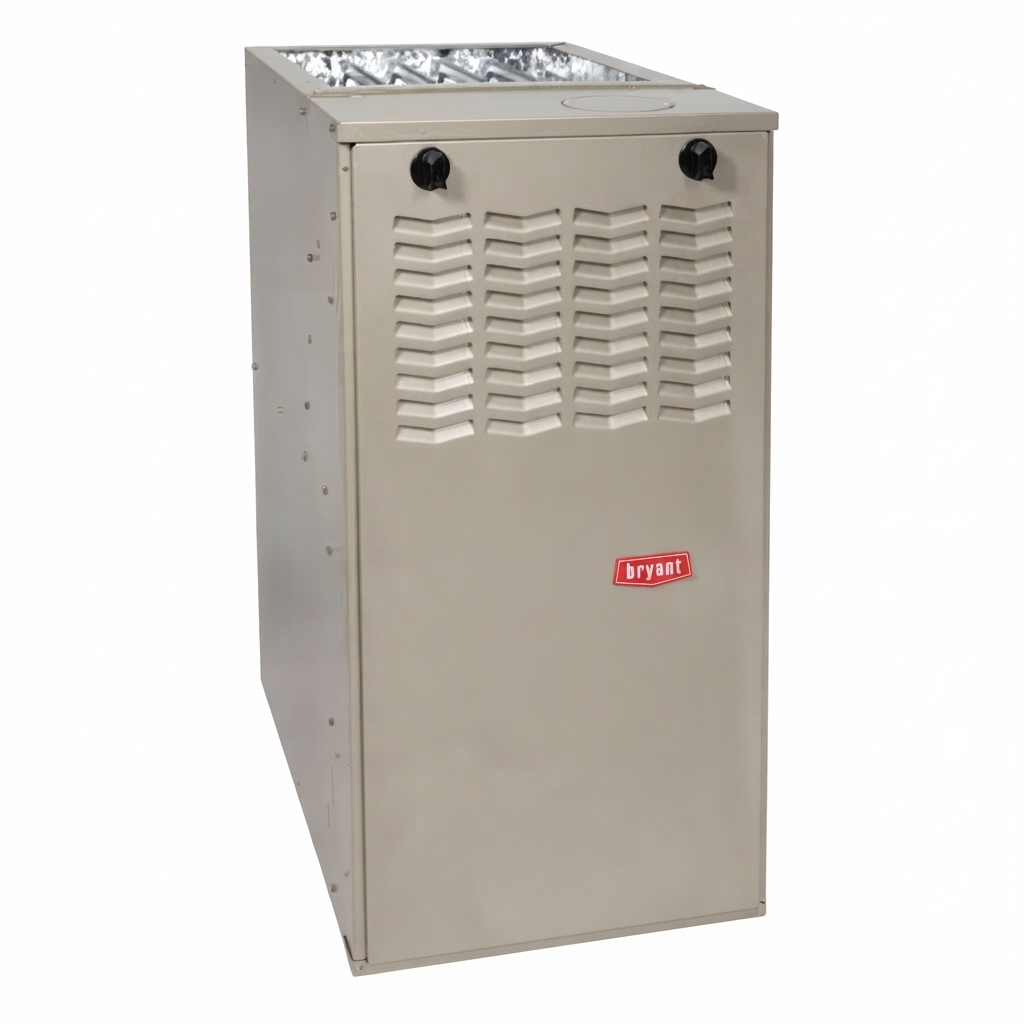
The Bryant 310A induced combustion gas furnace is an 80% AFUE, single-stage heating solution built for dependable whole-home comfort, quiet operation, and flexible installation. Designed as a 4-way multipoise furnace, it can be installed in upflow, downflow, or horizontal configurations, making it a practical choice for many residential HVAC systems. Homeowners often choose the Bryant 310A induced combustion gas furnace for its balance of affordability, reliable performance, and compatibility with natural gas or propane conversion kits.
This model is especially well suited for single-family homes, replacement furnace projects, and budget-conscious upgrades where solid heating performance matters more than premium efficiency features. Its fixed-speed blower, durable heat exchangers, and induced draft design help provide consistent airflow and steady heat distribution throughout the home. The furnace also supports hybrid heat system combinations, making it a good fit for households that may want to pair gas heat with a heat pump later.
Estimated pricing for the Bryant 310A induced combustion gas furnace typically falls in the mid-range category, often around $1,800 to $3,500 for the unit alone, with installed costs commonly higher depending on labor, venting, ductwork, and local code requirements. Availability is generally strong through Bryant dealers, HVAC distributors, and authorized parts suppliers. For shoppers comparing options, the 310A stands out as a dependable, legacy-style furnace with straightforward controls and proven heating performance.
Specifications for Bryant 310A Induced Combustion Gas Furnace
- Type: 4-way multipoise induced combustion gas furnace
- Efficiency: 80% AFUE
- Fuel options: Natural gas with LP conversion capability
- Heating capacity range: Approximately 44,000 to 154,000 BTUH depending on model size
- Blower motor: Fixed-speed design
- Gas valve: Single-stage
- Heat exchanger: Aluminized steel primary heat exchanger with stainless steel secondary heat exchanger on supported variants
- Cabinet construction: Galvanized steel with insulated panels for quieter operation
- Installation flexibility: Upflow, downflow, and horizontal applications
- Electrical requirements: 115 VAC, 60 Hz on typical configurations
- Burner ignition: Hot surface ignition for pilot-free operation
- Comparison: Compared with higher-efficiency 95%+ modulating furnaces, the Bryant 310A is simpler, easier to service, and usually less expensive upfront, but it uses more fuel over time
For homeowners who want a reliable gas furnace without advanced variable-speed controls, the Bryant 310A induced combustion gas furnace offers a practical blend of durability and value. It is best viewed as a dependable legacy-style system rather than a high-efficiency premium model.
Setup Guide: How to Install and Configure the Bryant 310A Gas Furnace
Before installation, confirm the model number, fuel type, venting path, and return-air requirements. The furnace must be installed on a level surface with adequate clearance for service access. Because this unit uses induced combustion, proper venting and combustion air are critical for safe operation. Installation should be completed by a qualified HVAC technician and must follow local codes, manufacturer instructions, and gas utility requirements.
- Turn off electrical power and shut off the gas supply before moving or connecting the furnace.
- Position the unit in the approved orientation: upflow, downflow, or horizontal.
- Connect supply and return ductwork, making sure airflow is not restricted.
- Install vent piping according to the vent category and local code requirements.
- Connect gas lines, verify gas pressure, and test all joints for leaks.
- Wire the thermostat, blower controls, and safety circuits as specified.
- Set thermostat options for heat type, fan mode, and staging if applicable.
- Run a startup cycle, confirm ignition, check flame quality, and verify temperature rise.
Safety warnings are essential: never operate the furnace with missing access panels, blocked vents, or gas leaks. If the furnace fails to ignite, check the thermostat call for heat, gas supply, and limit switch status before restarting. For best results, inspect the condensate-free vent path, filter, and electrical connections during commissioning.
Troubleshooting Bryant 310A Induced Combustion Gas Furnace Problems
Common issues with the Bryant 310A induced combustion gas furnace usually involve airflow, ignition, or gas delivery. Many problems can be traced to a dirty filter, blocked venting, faulty thermostat settings, or a failed ignition component.
- No heat: Check thermostat settings, gas shutoff valve, power switch, and breaker.
- Blower runs but no burner ignition: Inspect the hot surface igniter, gas valve, and flame sensor.
- Short cycling: Replace clogged filters, verify return-air sizing, and confirm correct temperature rise.
- Furnace locks out: Reset power once, then check venting, pressure switch, and limit switches.
- Weak airflow: Clean or replace the filter and inspect the blower wheel and ducts.
While specific error codes can vary by control board version, blinking LED diagnostic lights commonly indicate flame failure, pressure switch issues, or limit trips. Preventive maintenance includes annual inspection, burner cleaning, filter replacement every 1 to 3 months, and checking gas connections before each heating season. Warranty coverage typically includes limited parts and heat exchanger protection, with support available through Bryant dealers, HVAC contractors, and authorized service providers. For help, contact a local Bryant dealer or the authorized customer support channel listed on the unit’s documentation.
Pros and Cons of the Bryant 310A Gas Furnace
Pros
- Reliable single-stage heating with straightforward operation
- 80% AFUE efficiency keeps purchase cost lower than high-efficiency models
- Flexible 4-way multipoise installation helps fit many homes
- Natural gas and LP compatibility improves installation options
- Hot surface ignition eliminates standing pilot waste
- Good value for homeowners replacing an older mid-efficiency furnace
Cons
- Lower efficiency than modern 95%+ condensing furnaces
- Fixed-speed blower is less advanced than variable-speed alternatives
- Single-stage operation may feel less precise in temperature control
- Not the best choice for maximum long-term energy savings
For value for money, the Bryant 310A induced combustion gas furnace is strongest in replacement jobs where existing venting and ductwork can be reused. Compared with premium alternatives, it costs less upfront and is easier to understand and maintain, though it will not match the comfort refinement or fuel savings of variable-capacity systems.
Customer Reviews of the Bryant 310A Induced Combustion Gas Furnace
Customer feedback for the Bryant 310A induced combustion gas furnace is generally positive, especially among homeowners who want dependable heat without complex controls. Average impressions often land around 4.2 out of 5 stars for reliability, with praise centered on easy operation and solid heating performance.
- “It heats the house quickly and has been very dependable through winter.”
- “A solid furnace for the price, especially as a replacement for an older unit.”
- “Not the quietest premium system, but it gets the job done consistently.”
Common complaints include the lack of advanced efficiency features and occasional service needs tied to filters or ignition components. Buyers who prioritize low upfront cost, proven design, and simple maintenance usually find it a good purchase. Homeowners seeking ultra-quiet operation, maximum efficiency, or smart comfort zoning may prefer a higher-end alternative.
The Bryant 310A induced combustion gas furnace remains a practical choice for residential heating when reliability, affordability, and easy installation matter most. It is especially appealing for homeowners looking for a trusted gas furnace with straightforward servicing and broad application flexibility.
Faqs
How do I set up the Bryant 310A Induced Combustion Gas Furnace for first-time use?
What should I do if the Bryant 310A Induced Combustion Gas Furnace is not igniting?
What makes the Bryant 310A Induced Combustion Gas Furnace different from older furnace models?
Can the Bryant 310A Induced Combustion Gas Furnace work with natural gas or propane?
How often should I maintain the Bryant 310A Induced Combustion Gas Furnace?
Why does my Bryant 310A Induced Combustion Gas Furnace keep cycling on and off?
What size filter does the Bryant 310A Induced Combustion Gas Furnace use?
How can I improve comfort and efficiency with the Bryant 310A Induced Combustion Gas Furnace?
More bryant manuals
- Bryant Payne Natural-Draft Gas Furnace 394 User Manual
- Bryant COR 7 Thermostat TSTPRH01 User Manual
- Bryant Puron Advance Refrigerant FT5 User Manual
- Bryant Series A Condensing Gas Furnance 986TA User Manual
- Bryant 820SA Non-Condensing Gas Furnace User Manual
- Bryant Legacy 4-Way Multipoise Gas Furnace 830SB User Manual
Leave a Comment