
Bryant Payne Natural-Draft Gas Furnace 394 User Manual
Content
Bryant Payne Natural-Draft Gas Furnace 394: Product Manual and Buyer Guide
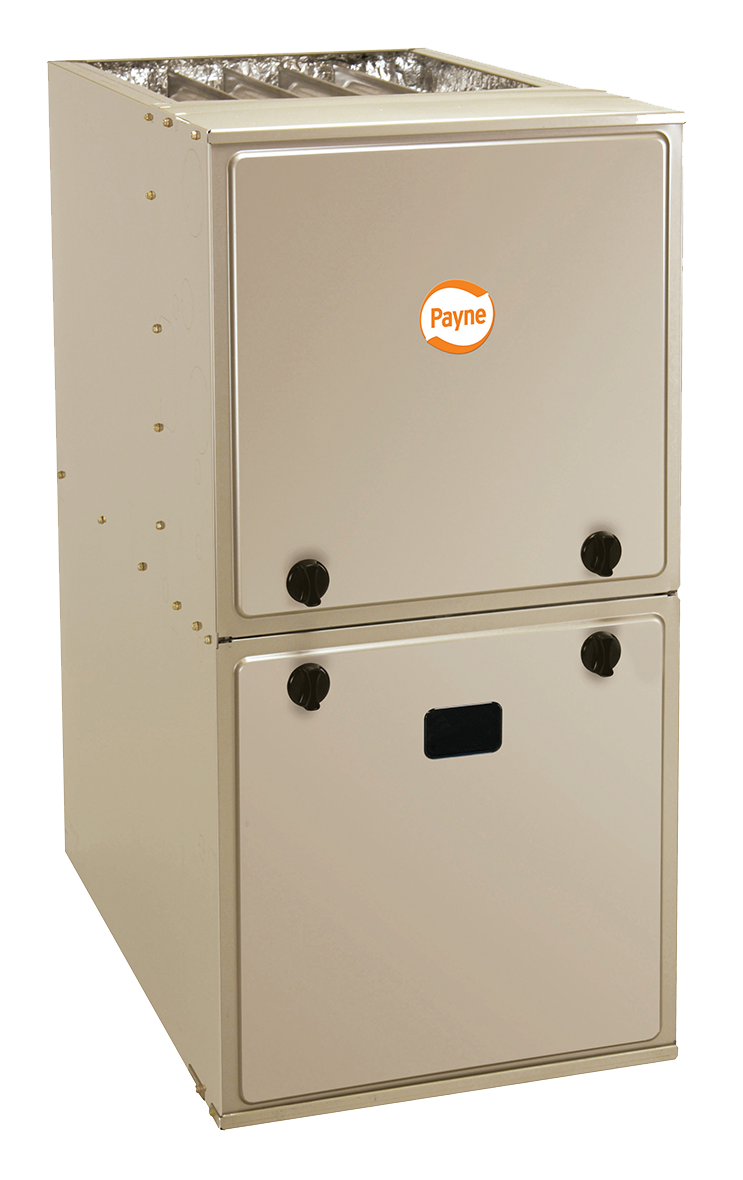
The Bryant Payne Natural-Draft Gas Furnace 394 is a classic atmospheric furnace designed for dependable home heating with a simple, proven natural-draft combustion system. Built for users who want straightforward operation, durable construction, and easy maintenance, this furnace is a practical choice for older residential heating setups that rely on vented gas heat. The Bryant Payne Natural-Draft Gas Furnace 394 is especially appealing to homeowners replacing an aging furnace, property managers maintaining legacy equipment, and technicians working with traditional upflow gas furnace installations.
Its main strengths are reliability, mechanical simplicity, and wide serviceability. Because it uses natural draft rather than modern sealed-combustion technology, it can be easier to understand and maintain for users familiar with conventional gas furnaces. It is commonly used in homes where cost-effective heating matters more than ultra-high efficiency, and where existing venting and ductwork are already configured for this type of system. Estimated pricing typically varies widely based on condition, model variant, and installation needs, but used or refurbished units often appear in the lower-to-mid range, while professional replacement projects can cost significantly more depending on labor and venting updates. Availability is usually strongest through used HVAC markets, parts suppliers, and legacy furnace documentation archives. For anyone searching for a Bryant Payne Natural-Draft Gas Furnace 394 manual, setup guidance, or troubleshooting support, this model remains a recognizable option in the gas furnace category.
Specifications for Bryant Payne Natural-Draft Gas Furnace 394
The Bryant Payne Natural-Draft Gas Furnace 394 is generally associated with legacy natural-draft furnace documentation and user information for the 394 series. Exact specifications can vary by submodel and installation type, but the following details reflect the typical characteristics of this furnace class.
- Fuel type: Natural gas, with legacy gas furnace configuration
- Combustion style: Natural-draft, atmospheric venting
- Application: Residential heating for existing ducted systems
- Airflow type: Forced-air distribution through blower assembly
- Ignition style: Legacy pilot or early-generation ignition depending on submodel
- Installation format: Commonly upflow or standard indoor furnace placement
- Maintenance profile: Simple mechanical components, filter replacement, burner inspection, vent checks
- Performance profile: Reliable heat output, but lower efficiency than modern high-efficiency condensing furnaces
Compared with modern 90%+ AFUE furnaces, this unit trades energy efficiency for simpler serviceability and lower replacement complexity. It is more comparable to other older atmospheric gas furnaces from Bryant, Payne, and similar legacy brands than to variable-speed high-efficiency systems. For users prioritizing a basic furnace manual, stable heat delivery, and straightforward repair routines, the Bryant Payne Natural-Draft Gas Furnace 394 remains a recognizable reference model.
Setup Guide for Bryant Payne Natural-Draft Gas Furnace 394
Setup should be performed by a qualified HVAC technician, especially when working with gas piping, venting, and combustion safety. Before installation, verify the furnace rating plate, model number, vent compatibility, and fuel type. Confirm that the unit location has proper clearance, adequate combustion air, and a safe vent path to the chimney or approved flue system.
- Step 1: Turn off electrical power and close the gas supply before handling the furnace.
- Step 2: Inspect the cabinet, burners, vent connector, and heat exchanger area for damage or corrosion.
- Step 3: Position the furnace level and secure it according to installation requirements.
- Step 4: Connect ductwork, venting, gas line, and electrical supply using approved materials.
- Step 5: Check thermostat wiring and confirm correct configuration for heat-only operation.
- Step 6: Restore power and test ignition, burner flame, airflow, and shutoff behavior.
Safety warnings are essential: never operate the furnace with a blocked vent, gas odor, damaged heat exchanger, or disconnected flue. If the burner fails to light, verify thermostat settings, gas valve position, and power supply before restarting. If repeated lockouts occur, stop operation and request professional service.
Troubleshooting Bryant Payne Natural-Draft Gas Furnace 394 Problems
Most issues with a natural-draft gas furnace can be traced to airflow, ignition, gas supply, or venting problems. Because this model uses older furnace technology, routine inspections are especially important.
- Problem: Furnace will not start. Solution: Check thermostat settings, breaker position, and gas shutoff valve.
- Problem: Burner lights but shuts down quickly. Solution: Inspect filter condition, airflow, and limit switch operation.
- Problem: Weak heat output. Solution: Clean burners, replace a dirty filter, and verify proper gas pressure.
- Problem: Yellow or unstable flame. Solution: Inspect burner ports, venting, and combustion air supply.
- Problem: Unusual noise or vibration. Solution: Tighten panels, inspect blower components, and check duct connections.
Common diagnostic codes vary by control board version, but older models may use LED blink indicators or no formal code display at all. When a code is present, compare the blink pattern with the furnace label or service guide. Preventive care includes seasonal cleaning, annual combustion checks, and regular air filter replacement. Warranty coverage for legacy units is often limited or expired, so support usually comes from HVAC contractors, parts distributors, and furnace service specialists. If immediate help is needed, contact a licensed heating technician or the local Bryant/Payne dealer network for parts and model verification.
Pros and Cons of the Bryant Payne Natural-Draft Gas Furnace 394
Pros
- Simple design makes it easier to understand and service than many modern furnaces.
- Natural-draft operation is familiar to many HVAC technicians and works well in compatible vented homes.
- Lower upfront replacement cost may appeal to budget-conscious homeowners.
- Good fit for legacy homes with existing ductwork and chimney venting.
- Parts and service knowledge are still available in the aftermarket and through HVAC professionals.
Cons
- Lower efficiency than modern condensing or variable-speed gas furnaces.
- Requires proper venting and combustion air, which limits installation flexibility.
- Older controls may lack advanced diagnostics and smart thermostat compatibility.
- May need more frequent maintenance than newer sealed-combustion systems.
- Can be a poor value if major repairs are needed on an aging unit.
For homeowners comparing options, the Bryant Payne Natural-Draft Gas Furnace 394 is best viewed as a practical legacy furnace rather than a high-efficiency upgrade. It offers decent value for compatible homes, but modern furnaces usually outperform it in comfort control, safety features, and fuel savings.
Customer Reviews for Bryant Payne Natural-Draft Gas Furnace 394
Typical user feedback for the Bryant Payne Natural-Draft Gas Furnace 394 is mixed but generally practical. Many owners appreciate the dependable heat, simple operation, and easy-to-service design. A common sentiment is: “It keeps the house warm without complicated electronics.” Another frequent praise is the furnace’s familiar layout, which helps technicians diagnose problems faster.
Average satisfaction is often described around 3.8 to 4.2 out of 5 stars for users focused on basic heating performance. Common complaints include higher fuel use, older parts, and limited efficiency compared with modern gas furnaces. Some users also mention that venting and airflow must be kept in good condition to avoid nuisance shutdowns.
Purchase recommendation: this model is best for buyers who need a reliable legacy furnace replacement or are maintaining an existing system. If energy savings, quiet operation, and smart controls are top priorities, a newer high-efficiency furnace may be a better option.
Faqs
How do I set up the Bryant Payne Natural-Draft Gas Furnace 394 for the first time?
What should I do if my Bryant Payne Natural-Draft Gas Furnace 394 is not heating properly?
Which thermostat works best with the Bryant Payne Natural-Draft Gas Furnace 394?
How often should I maintain the Bryant Payne Natural-Draft Gas Furnace 394?
Why does my Bryant Payne Natural-Draft Gas Furnace 394 keep shutting off after a short time?
What are the key features of the Bryant Payne Natural-Draft Gas Furnace 394?
What venting and installation requirements does the Bryant Payne Natural-Draft Gas Furnace 394 need?
How can I improve the efficiency and comfort of the Bryant Payne Natural-Draft Gas Furnace 394?
More bryant manuals
- Bryant 310A Induced Combustion Gas Furnace User Manual
- Bryant COR 7 Thermostat TSTPRH01 User Manual
- Bryant Puron Advance Refrigerant FT5 User Manual
- Bryant Series A Condensing Gas Furnance 986TA User Manual
- Bryant 820SA Non-Condensing Gas Furnace User Manual
- Bryant Legacy 4-Way Multipoise Gas Furnace 830SB User Manual
Leave a Comment