
INSTALLATION: Carrier 59TP6B Condensing Gas Furnace User Manual
Content
Carrier 59TP6B Condensing Gas Furnace Overview
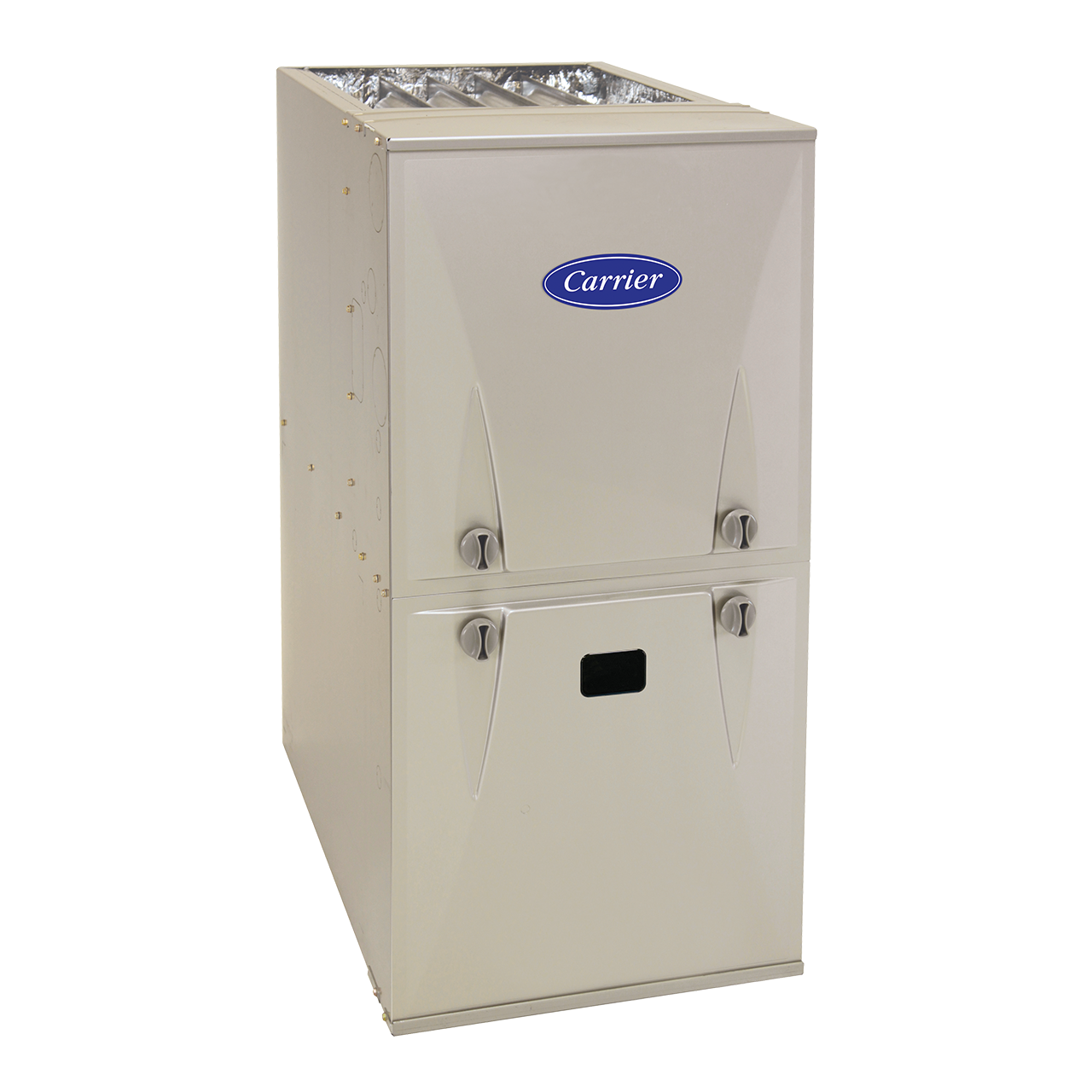
The Carrier 59TP6B Condensing Gas Furnace is a high-efficiency, two-stage heating system designed for homeowners who want reliable comfort, quieter operation, and strong energy savings. This Performance series model uses a variable-speed ECM blower motor and a two-speed inducer to help maintain more even temperatures, better humidity control, and improved airflow throughout the home. Its 4-way multipoise design gives installers flexibility in tight mechanical spaces, making it a practical choice for many retrofit and replacement projects.
As a condensing gas furnace, the carrier 59TP6B condensing gas furnace is built to extract more heat from fuel, which helps reduce monthly utility costs compared with older standard-efficiency systems. It is suitable for single-family homes, townhouses, and properties that need a dependable natural gas or propane-compatible heating solution. Depending on size, regional dealer pricing, and installation complexity, the estimated total price range typically falls between $4,500 and $9,500 installed, with equipment-only pricing often lower. Availability is generally good through authorized HVAC dealers, though specific cabinet sizes and configurations may vary by market.
Key selling points include up to 96% class efficiency, consistent low-stage operation for everyday comfort, and compatibility with modern thermostats and diagnostic tools. For buyers comparing premium mid-range furnaces, the carrier 59TP6B condensing gas furnace stands out for its balance of performance, installation flexibility, and long-term value.
Troubleshooting a Carrier 59TP6B Condensing Gas Furnace
Common issues usually start with airflow, ignition, or venting problems. If the furnace does not start, check the thermostat settings, breaker, and furnace switch, then inspect the air filter for blockage. A dirty filter can reduce airflow and cause short cycling, overheating, or poor heating performance. If the unit runs but does not produce heat, verify gas supply, ignition sequence, and condensate drainage.
Typical error indicators can include ignition failure, pressure switch faults, blower communication problems, or limit switch trips. A flashing control-board light often points to one of these conditions, and the diagnostic code chart on the furnace panel should be used to match the blink pattern to the fault. In many cases, replacing a clogged filter, clearing the condensate drain, resetting power, or correcting vent obstruction resolves the problem. If the inducer motor, igniter, control board, or pressure switch has failed, professional service is recommended.
Preventive maintenance helps avoid breakdowns: replace filters regularly, keep supply and return vents open, flush condensate lines, and schedule annual tune-ups. Warranty coverage depends on registration status and model terms, while support is available through Carrier dealers and customer relations. For help, contact Carrier at 1-800-227-7437 or work with your local authorized HVAC dealer.
Pros and Cons of the Carrier 59TP6B Condensing Gas Furnace
Pros
- High-efficiency condensing design helps lower heating costs and improve energy performance.
- Two-stage gas valve and variable-speed blower deliver more even temperatures and quieter operation.
- Multipoise cabinet design offers installation flexibility for basements, closets, and utility rooms.
- Strong comfort control makes it a good match for homes with uneven heating or humidity concerns.
- Good value for money for buyers wanting premium comfort without stepping into the highest-priced category.
Cons
- Installation and parts can be more expensive than basic single-stage furnaces.
- Condensing furnaces require proper drainage and venting, which may add complexity in older homes.
- Advanced components like the ECM blower and control board can increase repair costs if service is needed.
- Not the cheapest option compared with entry-level Carrier or Bryant models.
- Best performance depends on correct sizing and professional installation.
Compared with basic 80% AFUE furnaces, the carrier 59TP6B condensing gas furnace offers better efficiency and comfort. Compared with ultra-premium communicating systems, it is simpler and usually more affordable while still delivering solid performance.
Customer Reviews of the Carrier 59TP6B Condensing Gas Furnace
Homeowners commonly praise this furnace for its quiet operation, steady heat output, and noticeable improvement in comfort during cold weather. Many users appreciate how the variable-speed blower reduces blasts of hot air and keeps rooms more balanced. Common ratings cluster around 4.4 out of 5 stars for comfort and efficiency, especially among buyers replacing older single-stage systems.
Frequent complaints focus on installation cost, occasional sensor or ignition issues, and the need for regular maintenance to keep the condensate system clear. One typical testimonial says, “The house feels more even now, and the furnace is much quieter than our old unit.” Another user notes, “It was a big upgrade, but the install was more expensive than expected.”
Most customers recommend the carrier 59TP6B condensing gas furnace for homeowners prioritizing efficiency, comfort, and long-term reliability. It is often a smart purchase for moderate to larger homes where consistent heating matters more than lowest upfront cost.
Faqs
How do I set up the carrier 59TP6B Condensing Gas Furnace for the first time after installation?
What should I do if the carrier 59TP6B Condensing Gas Furnace is blowing cold air instead of heat?
What thermostat and control requirements work best with the carrier 59TP6B Condensing Gas Furnace?
Why does the carrier 59TP6B Condensing Gas Furnace keep turning on and off frequently?
How can I improve the efficiency and heating performance of my carrier 59TP6B Condensing Gas Furnace?
What maintenance does the carrier 59TP6B Condensing Gas Furnace need each year?
How do I troubleshoot condensate drainage problems on the carrier 59TP6B Condensing Gas Furnace?
What are the most important compatibility checks before replacing an older furnace with the carrier 59TP6B Condensing Gas Furnace?
Leave a Comment