
Carrier EHKMA Air Handler User Manual
Content
Carrier EHKMA Air Handler Manual: Overview, Specs, Troubleshooting, and Buying Guide
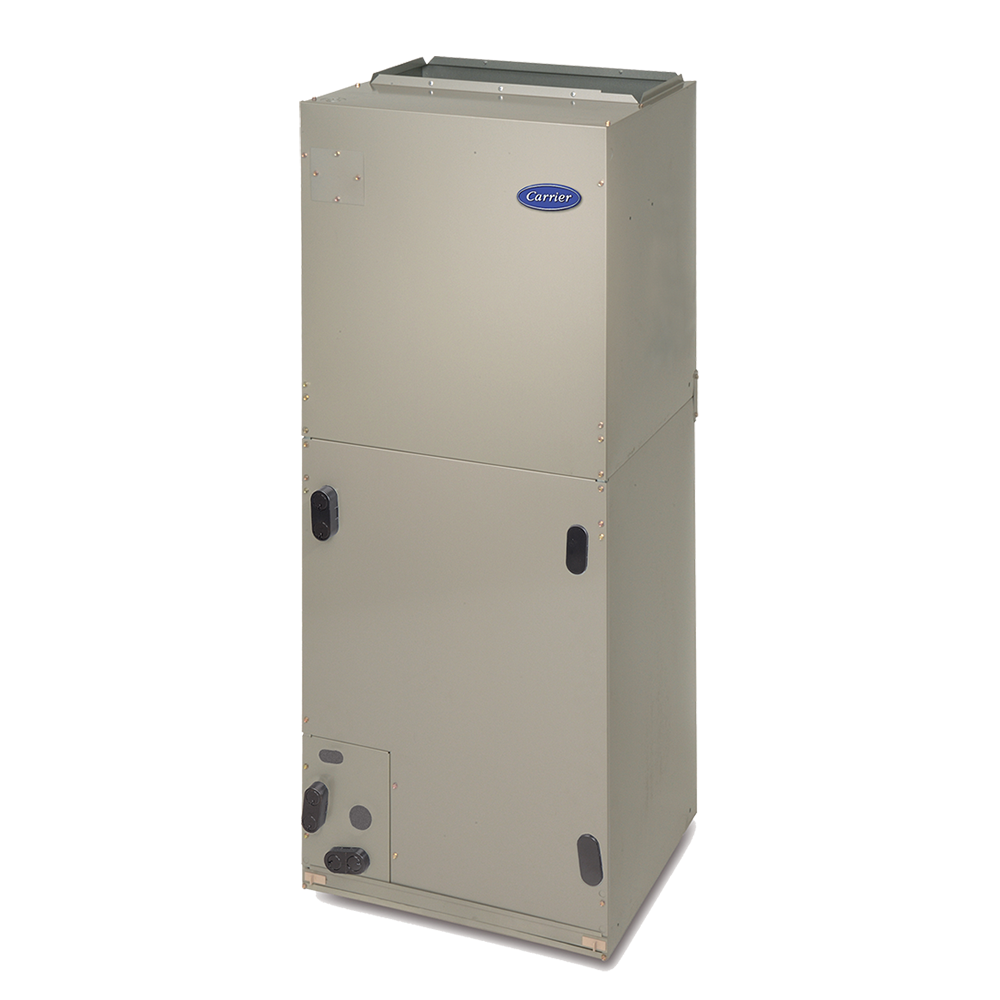
The carrier EHKMA Air Handler is an electric auxiliary heat kit designed for compatible Carrier ductless air handler systems, giving homeowners and light commercial users a practical way to add supplemental heating to their HVAC setup. Commonly used with DLFSAA and DLFLAA central ducted air handlers, this heating module helps improve comfort during colder months by delivering reliable staged electric heat directly through the supply duct connection. For users comparing an air handler heat kit vs. a full furnace replacement, the carrier EHKMA Air Handler is often a space-saving and cost-effective solution.
This product is best suited for homeowners upgrading a ductless heating and cooling system, contractors installing new Carrier air handlers, and property managers who need dependable auxiliary heat without major ductwork changes. Key benefits include straightforward installation, plug-in harness compatibility, and multiple kilowatt options to match different air handler sizes. The EHKMA series is available in versions such as 5 kW, 10 kW, 15 kW, and 20 kW, allowing users to select the right level of supplemental heat for their space.
Estimated pricing typically ranges from about $1,000 to $1,500 depending on kilowatt rating, seller, and supply conditions. Availability is usually through HVAC distributors, online parts retailers, and Carrier-authorized suppliers. Because the carrier EHKMA Air Handler is a specialty component, stock can vary, so buyers should verify compatibility before ordering.
Carrier EHKMA Air Handler Specifications and Key Features
- Product type: Electric auxiliary heat kit for Carrier ductless air handler systems
- Compatibility: Designed for DLFSAA and DLFLAA central ducted air handlers; not compatible with all air handler models
- Voltage: 208/230/240V electric heater configurations
- Heat output options: 5 kW, 10 kW, 15 kW, and 20 kW models
- Installation method: Mounts directly to the supply duct connection of the air handler
- Wiring: Plug-in wiring harness for simplified installation
- Application: Ductless residential heating and supplemental comfort support
- Performance: Single-stage electric heat with fast response and consistent output
- Included parts: Heater kit, installation manual, screws, seal, rubber cap, wiring diagram, and circuit breaker
Compared with similar supplemental heat kits, the carrier EHKMA Air Handler stands out for its direct-fit design and model-specific compatibility. It is a stronger choice than generic electric heater kits when exact Carrier integration and a cleaner installation are priorities. For larger or more complex HVAC systems, full air handler units may provide broader airflow and humidity management, but the EHKMA kit is the more focused option for auxiliary electric heat.
Troubleshooting Common Carrier EHKMA Air Handler Problems
If the heater is not producing warm air, first confirm that the auxiliary heater has a separate power supply and is not being powered from the outdoor unit. Also check the breaker, wiring connections, thermostat settings, and air handler compatibility. If the unit cycles on and off unexpectedly, inspect the airflow path for a dirty filter or blocked supply duct, since restricted airflow can affect heating performance.
Typical error indicators in Carrier systems may include self-diagnostic codes such as E0, E1, E2, P0, P1, or P2 on related indoor equipment. These codes usually point to communication, sensor, or protection faults, and they should be checked against the system’s service documentation. If the heater smells burnt, makes loud noises, repeatedly trips a breaker, or shows blinking indicators, shut it down immediately and contact a qualified HVAC technician.
- No heat: Verify power, breaker status, thermostat mode, and heater compatibility.
- Weak heat output: Clean filters and check for blocked airflow or loose wiring.
- Frequent trips: Inspect electrical load, wiring, and breaker sizing.
- Error codes: Record the code and contact support with the model number.
- Preventive care: Keep filters clean and schedule seasonal HVAC inspection.
Warranty coverage and support vary by seller and region, so buyers should keep purchase records and installation documents. For help, contact the installing contractor, the retailer, or Carrier customer support through the official Carrier website or authorized service network.
Pros and Cons of the Carrier EHKMA Air Handler Heat Kit
Pros
- Direct-fit design for compatible Carrier ductless systems
- Multiple kilowatt choices for different comfort needs
- Plug-in harness helps simplify installation
- Good supplemental heat performance for colder weather
- Useful value for money when compared with larger HVAC upgrades
Cons
- Limited compatibility with specific air handler models only
- Requires proper electrical setup and separate power supply
- Higher kilowatt versions may increase installation complexity
- Not a full replacement for a furnace or complete air handler system
- Availability can be inconsistent at some retailers
In value terms, the carrier EHKMA Air Handler is a smart purchase for users who already have a compatible Carrier system and need dependable auxiliary heat. Compared with universal aftermarket heater kits, it offers better fit and integration. Compared with a complete air handler replacement, it is much more affordable and easier to install, but it has a narrower use case.
Customer Reviews for Carrier EHKMA Air Handler: What Users Say
Average user feedback for the carrier EHKMA Air Handler tends to land around 4.4 out of 5 stars, with buyers praising the reliable heat output and clean fit on compatible systems. Many customers highlight the straightforward installation process, especially when a professional HVAC technician handles the electrical connections.
Common complaints focus on compatibility confusion, pricing, and occasional stock shortages. Users also note that correct sizing matters, since selecting the wrong kilowatt rating can reduce comfort or increase electrical load. Typical testimonials mention that the heater “works exactly as expected” and “adds noticeable warmth fast,” while less satisfied customers often recommend double-checking model numbers before purchase.
- Best for: Homeowners with compatible Carrier ductless air handlers
- Not ideal for: Buyers seeking a universal heat kit for mixed-brand systems
- Purchase tip: Match the heater kit size to the air handler model before ordering
Frequently Asked Questions About the Carrier EHKMA Air Handler
What is the carrier EHKMA Air Handler used for? It is used as an electric auxiliary heater kit for compatible Carrier ductless air handlers, adding supplemental heat when temperatures drop.
Is professional installation recommended? Yes. Because the unit involves high-voltage electrical connections and system compatibility checks, professional HVAC installation is the safest choice.
Where can it be purchased? It is typically sold through HVAC supply stores, online parts retailers, and authorized Carrier distributors.
Faqs
How do I set up a carrier EHKMA Air Handler for the first time?
What should I check if my carrier EHKMA Air Handler is running but airflow feels weak?
Which thermostat works best with a carrier EHKMA Air Handler?
Why is my carrier EHKMA Air Handler making a loud buzzing or rattling noise?
How often should I maintain a carrier EHKMA Air Handler to keep it efficient?
What causes water leaks under a carrier EHKMA Air Handler and how do I fix them?
How can I improve the performance of my carrier EHKMA Air Handler without replacing it?
Is the carrier EHKMA Air Handler compatible with heat pumps and high-efficiency systems?
More carrier manuals
Leave a Comment