
Carrier F9MVT Gas Furnace User Manual
Content
Carrier F9MVT Gas Furnace Overview
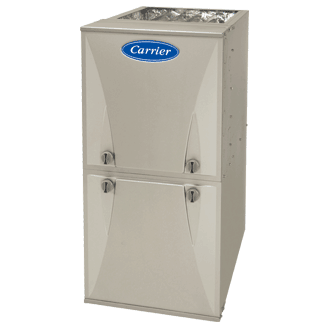
The Carrier F9MVT gas furnace is a high-efficiency, communicating, two-stage heating system designed for homeowners who want reliable comfort, quieter operation, and better temperature control. Built for cold-weather performance, this model is part of Carrier’s premium furnace lineup and is commonly selected for replacement installs and new HVAC system upgrades where energy savings and consistent heating matter most. With AFUE ratings up to 96%, the Carrier F9MVT Gas Furnace is engineered to convert a large share of fuel into usable heat, helping reduce monthly utility costs while supporting steady indoor comfort.
This furnace is a strong fit for families, property owners, and anyone looking for advanced climate control in medium to large homes. Its communicating technology allows smarter coordination with compatible thermostats and HVAC components, which helps improve airflow, staging, and system efficiency. The two-stage gas heating design is especially useful in climates with long heating seasons because it can run on lower output for everyday comfort and ramp up when outdoor temperatures drop.
Typical pricing for the Carrier F9MVT Gas Furnace varies by size, installation complexity, and region, but homeowners can generally expect the furnace unit to fall in the premium range, with installed costs often significantly higher than standard single-stage models. Availability remains good through Carrier dealers, HVAC distributors, and authorized contractors, though exact configurations and cabinet widths may vary by market. For buyers comparing energy-efficient furnace options, the F9MVT stands out for comfort, advanced controls, and long-term value.
Carrier F9MVT Gas Furnace Specifications and Key Features
- Fuel type: Natural gas furnace designed for residential heating applications.
- Efficiency: Up to 96% AFUE for high-efficiency operation and lower fuel waste.
- Heating stages: Two-stage gas valve for better comfort and quieter performance.
- Control type: Communicating system for improved coordination with compatible Carrier controls.
- Blower system: Variable-speed indoor fan for airflow management and enhanced humidity control.
- Cabinet sizes: Multiple widths and capacities are available, including compact 14-3/16-inch and 17-1/2-inch cabinet options for different installations.
- BTU input range: Common configurations include 40,000, 60,000, 80,000, 100,000, and 120,000 BTU/hr.
- Airflow configurations: Models are offered with airflow capabilities suitable for different home sizes and cooling system pairings.
- Installation style: Multi-position design for flexible upflow, downflow, or horizontal installation setups.
- Performance advantage: More refined staging than many standard single-stage furnaces, with improved comfort over basic budget models.
Compared with similar mid- to high-efficiency gas furnaces, the Carrier F9MVT Gas Furnace delivers stronger comfort control than single-stage systems and better efficiency than many older 80% AFUE units. It is a good choice for homeowners who want premium heating performance without moving into the highest-cost modulating furnace category.
Carrier F9MVT Gas Furnace Troubleshooting Guide
Common furnace problems usually start with power, thermostat settings, airflow restrictions, or gas supply issues. If the system will not heat, first confirm the thermostat is set to Heat, the temperature setting is above room temperature, and the furnace breaker has not tripped. Also check the furnace filter, because a clogged filter can trigger overheating, short cycling, or reduced airflow. If the furnace runs but does not deliver enough heat, inspect vents for blockage and verify that the gas shutoff valve is open.
Some Carrier furnaces use diagnostic light codes or control board status flashes to indicate faults such as ignition failure, pressure switch problems, airflow issues, or flame sensing errors. If a fault code is displayed, turn to the unit’s service label or owner documentation for the exact meaning and recommended reset procedure. Repeated ignition failure, loud operation, frequent cycling, or no-blower conditions should be handled by a qualified HVAC technician.
Preventive care includes replacing filters regularly, keeping return and supply vents open, cleaning around the furnace cabinet, and scheduling annual maintenance before the heating season. Most Carrier furnace products are covered by limited warranty terms that vary by model and registration status, so homeowners should verify coverage with the original installer or dealer. For support, contact an authorized Carrier HVAC dealer or local service contractor, or use Carrier customer support through the official residential service channel.
Pros and Cons of the Carrier F9MVT Gas Furnace
Pros
- High efficiency up to 96% AFUE helps reduce heating costs.
- Two-stage heating improves comfort compared with basic single-stage furnaces.
- Variable-speed blower supports quieter operation and better air circulation.
- Communicating controls can improve system coordination and overall performance.
- Multi-position installation flexibility makes it easier to fit many homes.
- Strong value for homeowners seeking premium comfort without stepping into top-tier modulating pricing.
Cons
- Higher upfront cost than standard efficiency furnaces.
- Requires proper installation and setup to realize full performance benefits.
- Repairs may cost more than basic systems because of advanced controls and components.
- Best performance depends on compatible thermostats and system matching.
- Not the cheapest option for budget-focused replacements.
For homeowners comparing premium heating systems, the Carrier F9MVT Gas Furnace offers a strong balance of comfort, efficiency, and long-term operating value. It is especially appealing when measured against lower-cost alternatives that may heat the home effectively but cannot match its staging precision and airflow control.
Customer Reviews for Carrier F9MVT Gas Furnace
Homeowners commonly rate this type of high-efficiency Carrier furnace between 4 and 5 stars for comfort and energy savings. Positive feedback often highlights more even temperatures, quieter running, and reduced fuel usage during winter. One typical review sentiment is: “The house stays warmer without big temperature swings, and the system is much quieter than our old furnace.”
Common complaints usually focus on installation cost, the need for a qualified technician, and occasional sensitivity of advanced controls if maintenance is skipped. Another common comment is: “Great furnace, but it needs regular filter changes and proper setup to work its best.” Buyers looking for a premium gas furnace for long-term home comfort generally view the Carrier F9MVT Gas Furnace as a worthwhile purchase, especially when paired with professional installation and routine service.
Faqs
How do I set up the Carrier F9MVT Gas Furnace for the first time?
Why is my Carrier F9MVT Gas Furnace not turning on when the thermostat calls for heat?
What do the Carrier F9MVT Gas Furnace LED error codes mean?
How can I improve the heating efficiency of my Carrier F9MVT Gas Furnace?
What thermostat is compatible with the Carrier F9MVT Gas Furnace?
How often should I maintain the Carrier F9MVT Gas Furnace?
Why is the Carrier F9MVT Gas Furnace blowing cool air sometimes?
What are the most common Carrier F9MVT Gas Furnace problems and how can I prevent them?
More carrier manuals
Leave a Comment