
Condair HP Series Adiabatic humidification system User Manual
Content
Condair HP Series Adiabatic Humidification System: Complete Product Manual
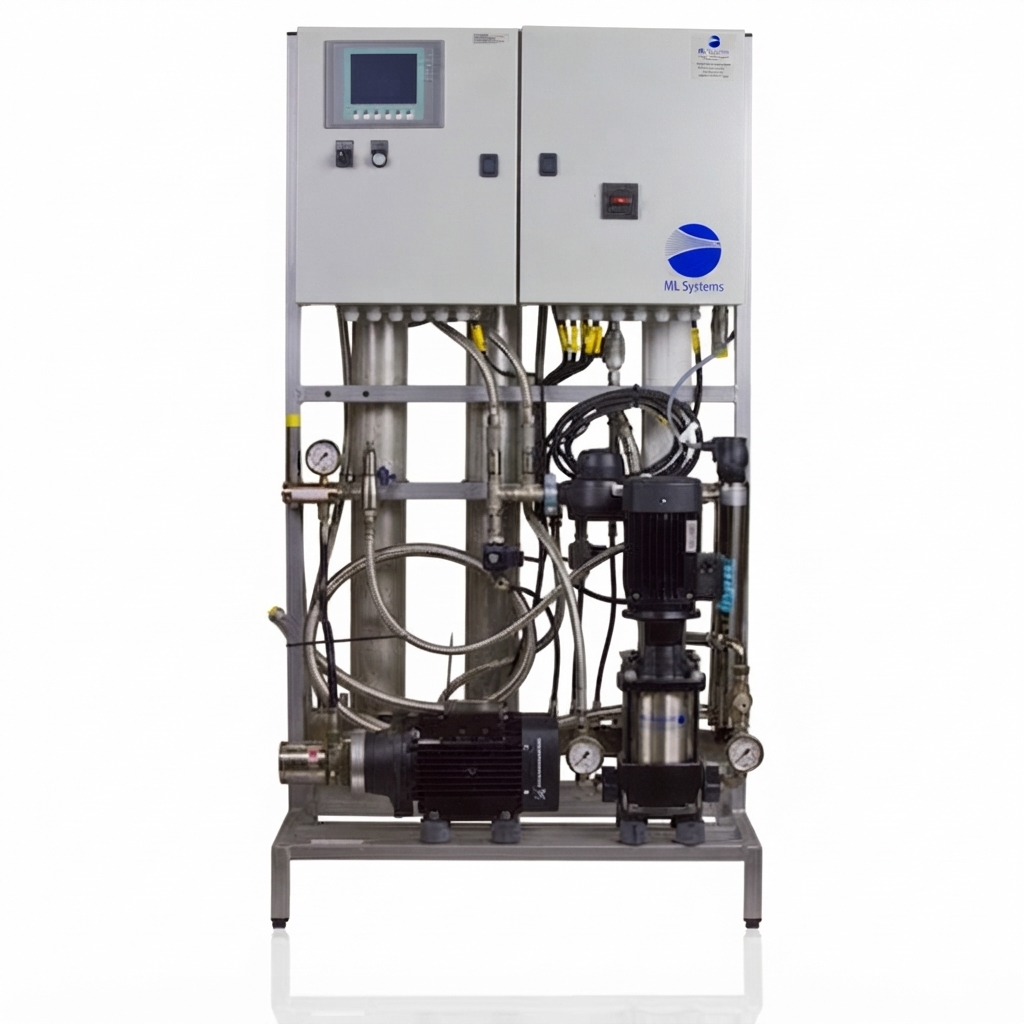
The Condair HP Series adiabatic humidification system is a high-pressure in-duct humidifier designed to deliver precise humidity control and efficient evaporative cooling for HVAC systems, air handling units, and ductwork. Built for commercial and industrial environments, it atomizes treated water through precision nozzles and absorbs it into the air stream with minimal energy use. This makes the Condair HP Series a strong fit for facilities that need stable indoor air quality, controlled humidity, and reduced operating costs.
One of the biggest advantages of the Condair HP Series is its combination of high humidification capacity and low power consumption. The system supports capacities from 10 to 1300 kg/h, making it suitable for everything from medium-size buildings to large process-critical spaces. It also offers adiabatic cooling, which can improve supply air performance while helping reduce mechanical cooling loads. Integrated water treatment, hygienic operation, and droplet separation help maintain clean, reliable performance with low maintenance requirements.
Typical users include data centers, hospitals, cleanrooms, manufacturing facilities, offices, museums, and commercial buildings where humidity stability matters. The system is also useful in applications where static control, product protection, comfort, and HVAC efficiency are priorities. Estimated pricing varies widely by configuration, capacity, controls, and installation scope, but most systems fall into the mid-to-premium commercial HVAC category. In general, buyers should expect a project-based price rather than an off-the-shelf retail cost, with availability through Condair distributors and HVAC integrators.
Specifications for Condair HP Series High Pressure Humidifier
- Humidification capacity: 10 to 1300 kg/h, depending on model and system configuration.
- Pump operating pressure: 70 bar for fine atomization and rapid evaporation.
- Available voltage options: 208 to 600 VAC, 3-phase, 50/60 Hz.
- Inlet water pressure: 2 to 7 bar.
- Inlet water temperature: up to 30°C.
- Recommended water quality: reverse osmosis or de-ionized water, typically 5 to 30 µS/cm.
- Control input options: 0 to 5 VDC, 1 to 5 VDC, 0 to 10 VDC, 2 to 10 VDC, 0 to 20 mA, and 4 to 20 mA.
- Minimum evaporation distance: approximately 1.3 m, depending on duct conditions.
- Pump station options include HP 100, HP 300, HP 500, and HP 800 variants.
- Nominal pump power ranges from about 0.5 kW to 2.2 kW, depending on model.
Compared with steam humidifiers, the Condair HP Series uses far less electricity because it relies on adiabatic atomization instead of heating water to produce vapor. Compared with lower-pressure spray systems, it delivers finer mist, better absorption, and more consistent duct performance. For facilities focused on energy-efficient humidification, it is positioned as a high-capacity alternative with strong control flexibility.
Detailed Description of the Condair HP Series Adiabatic Humidification System
The Condair HP Series adiabatic humidification system works by forcing treated water through a high-pressure pump station and into precision nozzles located in the air stream. The nozzles create an ultra-fine mist that evaporates quickly as it mixes with moving air. A downstream droplet separator removes any moisture that does not fully evaporate, helping ensure droplet-free humidification in the duct or air handling unit.
This design makes the system effective for both humidity control and adiabatic cooling. In practice, that means it can add moisture while also lowering air temperature without the energy demand of conventional steam-based solutions. The system is especially useful in environments where maintaining tight humidity bands matters, such as laboratories, clean production areas, archives, healthcare facilities, and precision manufacturing spaces.
Build quality is geared toward commercial HVAC reliability, with a focus on integrated water treatment, pump durability, and hygienic operation. The use of demineralized or reverse osmosis water helps reduce scaling and nozzle wear. Users generally benefit from low maintenance demand, stable operation, and predictable performance when the system is correctly sized and installed.
Setup Guide for Condair HP Series In-Duct Installation
Installation should always be completed by qualified HVAC and electrical professionals. Before beginning, verify duct dimensions, evaporation distance, water quality, power availability, and control signal compatibility. The system must be positioned so the mist has enough travel distance to fully evaporate before reaching sensitive components.
- Mount the pump station and water treatment components in a serviceable location.
- Install the nozzle rail or spray assembly across the duct or AHU section.
- Confirm the downstream droplet separator is correctly positioned.
- Connect treated water supply within the recommended pressure range.
- Wire the power supply according to the selected voltage and phase rating.
- Connect the control signal from the BMS or humidistat.
- Configure the target humidity setpoint, modulation range, and alarms.
- Perform a test run and inspect for leaks, uneven spray, or insufficient absorption.
Use caution when handling high-pressure lines and electrical connections. Never operate the system with poor water quality, inadequate drainage, or blocked nozzles. If the unit fails to start, check power supply, water pressure, controller settings, and safety interlocks first.
Troubleshooting Condair HP Series Humidifier Problems
Common issues usually relate to water quality, pressure, airflow, or controls. If humidity output is low, inspect the pump, inlet water supply, nozzle condition, and setpoint configuration. If droplets appear downstream, verify that airflow is sufficient and that the evaporation distance is adequate for the duct layout.
- Low humidity output: Check water pressure, RO water supply, pump operation, and signal from the controller.
- Droplet carryover: Increase absorption distance, confirm air velocity, and inspect droplet separator alignment.
- Alarm or fault condition: Review the controller display, reset the unit, and verify interlocks, pressure, and water level conditions.
- Uneven spray pattern: Clean or replace blocked nozzles and flush the water line.
- Noise or vibration: Inspect pump mounting, water supply stability, and line pressure.
Preventive maintenance includes scheduled nozzle cleaning, water treatment checks, filter inspection, and pump servicing. Exact alarm codes depend on the controller version, so users should check the model-specific controller manual for fault definitions. Warranty and support are typically provided through Condair or authorized distributors, along with technical assistance, commissioning support, and spare parts availability.
Pros and Cons of the Condair HP Series Adiabatic Humidification System
Pros
- High energy efficiency compared with steam humidification systems.
- Wide capacity range from small to very large commercial applications.
- Precise humidity control with flexible analog input options.
- Supports adiabatic cooling as a bonus performance benefit.
- Integrated water treatment improves hygiene and lowers maintenance.
- Strong fit for HVAC systems where water efficiency and control matter.
Cons
- Requires treated water, which adds system complexity.
- Needs proper duct design and absorption distance for safe operation.
- Installation is more specialized than portable or room-based humidifiers.
- Upfront cost is typically higher than basic humidification equipment.
- Best results depend on correct commissioning and maintenance.
For buyers comparing alternatives, the Condair HP Series is often a better long-term value than steam humidifiers in energy-sensitive buildings. It is also more technically advanced than simple spray systems, especially where precise control and hygiene are essential.
Customer Reviews of the Condair HP Series
Customer feedback for the Condair HP Series is generally positive, especially in commercial HVAC environments. Typical ratings cluster around 4.5 out of 5 stars for performance, energy savings, and humidity stability. Users often praise the fine mist quality, quiet operation, and low energy consumption.
Common complaints usually involve the need for proper installation, treated water infrastructure, and periodic maintenance. Some users note that the system is not ideal for quick DIY setup, but professional commissioning usually resolves most concerns. A frequent testimonial theme is that the unit performs best in larger facilities where precise humidity control directly supports comfort, product quality, or process stability.
Purchase recommendation: the Condair HP Series is a strong choice for facilities managers, engineers, and HVAC contractors who need a scalable, energy-efficient adiabatic humidification system with reliable performance and solid long-term operating value.
Faqs
How do I set up the condair HP Series Adiabatic humidification system for the first time?
What should I do if the condair HP Series Adiabatic humidification system is not reaching the target humidity level?
How does the condair HP Series Adiabatic humidification system provide both humidification and cooling?
What water quality does the condair HP Series Adiabatic humidification system require?
How often should I maintain the condair HP Series Adiabatic humidification system?
Why is water dripping or carryover happening in the condair HP Series Adiabatic humidification system?
Can the condair HP Series Adiabatic humidification system integrate with building management or automation controls?
What are the best ways to improve efficiency in the condair HP Series Adiabatic humidification system?
More condair manuals
- Condair Series II Outdoor Gas-Fired Steam Humidifier GS User Manual
- Condair BP Series Blower Pack BP II User Manual
- Condair Series II Gas-Fired Steam Humidifier GS User Manual
- Condair RH Series Steam Humidifier User Manual
- Condair MC Adiabatic Air Humidification & Air Cooling System User Manual
- Condair US Series Ultrasonic Humidifier User Manual
Leave a Comment