
Halo HA-4 Tire Inflator User Manual
Content
halo HA-4 Tire Inflator Manual and Product Overview
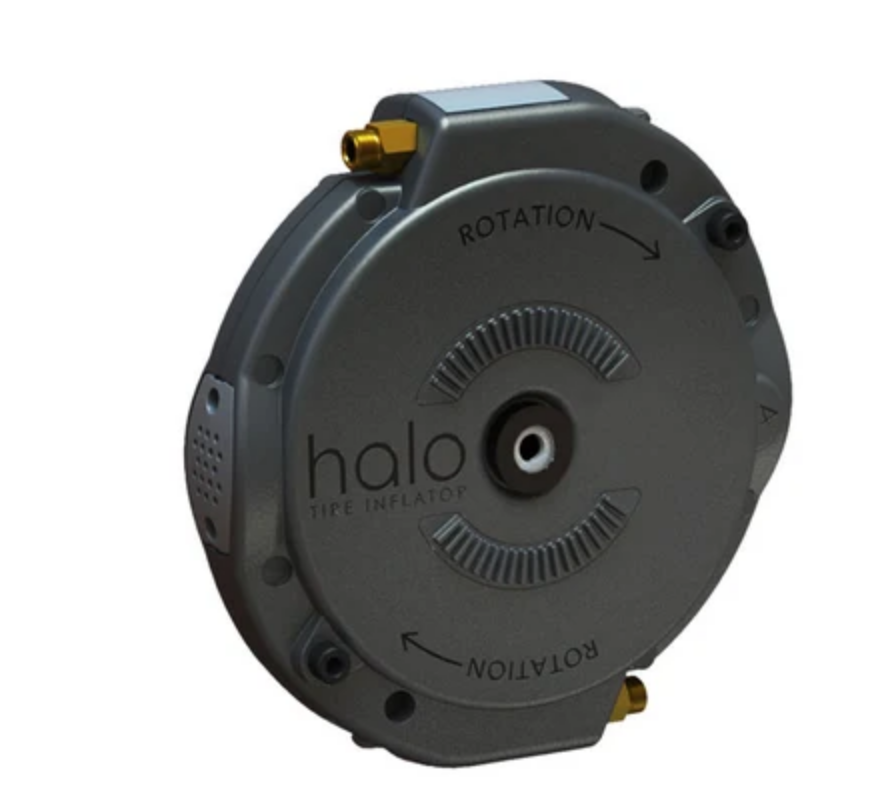
The halo HA-4 Tire Inflator is a direct-mount automatic tire pressure management device designed to help keep commercial tires at a preset pressure without constant manual checks. It is built for fleet operators, owner-operators, and heavy-duty vehicle applications where consistent tire pressure improves safety, tread life, and fuel efficiency. The halo HA-4 Tire Inflator is especially useful for trucks, trailers, and vocational vehicles that experience slow air loss over time, reducing downtime and helping drivers stay on the road longer.
One of its biggest advantages is simplicity: the system is preset to a target PSI and is not adjustable after installation, which reduces operator error and makes maintenance straightforward. Available target pressures commonly range from 80 PSI to 120 PSI in model-specific variants, with custom pressure options also referenced in product literature. Installation is designed to be quick, with the halo system promoted as a 5- to 10-minute setup in some product materials. Estimated pricing varies by configuration and seller, but the unit commonly falls in the premium fleet-accessory range, roughly around $150 to $250 per inflator, with used or resale listings sometimes appearing lower. Availability is primarily through Aperia sales channels, distributors, and select online marketplaces. For buyers searching for a reliable automatic tire inflator that supports fleet efficiency, the halo HA-4 Tire Inflator remains a practical long-term investment.
Troubleshooting halo HA-4 Tire Inflator Problems
Common issues with the halo HA-4 Tire Inflator usually relate to air supply, installation, or pressure matching. If the tire is not maintaining pressure, first check for leaks in the tire, valve stem, fittings, and air lines. If the system appears inactive, confirm that the unit is mounted correctly and that air is available at the supply source. Because the HA-4 is preset and not adjustable, a mismatch between the device and the target tire pressure will require replacing it with the correct model rather than recalibrating it.
Error codes are not widely published in standard consumer-facing material for this product, so any fault indicator should be treated as a system warning and checked against the installation guide or service documentation. Preventive measures include inspecting fittings regularly, keeping tire valves clean, and verifying that the inflator matches the vehicle’s intended PSI range. Aperia typically backs hardware with a 36-month warranty for purchased hardware, subject to terms and exclusions. For support, contact Aperia Customer Support at 1-844-RUN-HALO or support@aperiatech.com for warranty questions, replacement guidance, and RMA assistance.
Pros and Cons of the halo HA-4 Tire Inflator
Pros
- Automatic preset pressure management helps reduce manual tire checks and pressure drift.
- Useful for fleets and heavy-duty vehicles where downtime from underinflated tires can be costly.
- Quick installation can save service time during fleet maintenance windows.
- Preset, non-adjustable operation lowers user error and simplifies training.
- Strong value for money over time if it prevents tire wear, blowouts, and fuel waste.
Cons
- Not adjustable, so the wrong PSI model means buying a different unit.
- Higher upfront cost than basic portable tire inflators or handheld compressors.
- Best suited for commercial and fleet use rather than casual passenger-car owners.
- Installation and system compatibility may require more planning than plug-in alternatives.
- Some buyers may prefer portable digital inflators with LCD readouts and multi-purpose presets.
Compared with portable tire inflators, the halo HA-4 Tire Inflator is more specialized and better for permanent tire maintenance. Compared with cheaper alternatives, it offers more convenience and long-term fleet efficiency, but less flexibility.
Customer Reviews for halo HA-4 Tire Inflator
User feedback is generally strongest among fleet owners who value reliability, reduced tire maintenance, and fewer pressure-related service calls. Many buyers praise the device for saving time and helping tires stay within range more consistently. A common theme in reviews is that the unit feels like a professional-grade solution rather than a consumer gadget.
Common complaints focus on price, the lack of adjustability, and the need to choose the correct PSI version from the start. Typical ratings cluster around 4 to 4.5 stars out of 5 for users who purchased the correct model for their fleet application. One customer-style takeaway often shared is, “It pays for itself by reducing tire issues and shop time.” Another frequent comment is, “Great product for commercial use, but make sure you order the right pressure rating.” For buyers comparing tire inflator options, this model is best recommended for operators who want a durable, set-it-and-forget-it solution.
Faqs
How do I set up the halo HA-4 Tire Inflator for the first time on a truck or trailer?
What should I do if my halo HA-4 Tire Inflator is not maintaining tire pressure?
Which tire sizes and pressure ranges are compatible with the halo HA-4 Tire Inflator?
Does the halo HA-4 Tire Inflator need an onboard air compressor to work?
How can I tell if the halo HA-4 Tire Inflator is installed correctly?
What are the most common halo HA-4 Tire Inflator problems and how do I fix them?
How do I maintain and clean the halo HA-4 Tire Inflator for long-term reliability?
Can the halo HA-4 Tire Inflator be serviced without removing the whole wheel-end assembly?
More halo manuals
Leave a Comment