
How to Use: Philips Respironics PR System One CPAP or BiPAP Machine Paired User Manual
Content
Philips Respironics PR System One CPAP or BiPAP Machine Paired: Complete Product Manual and Buyer Guide
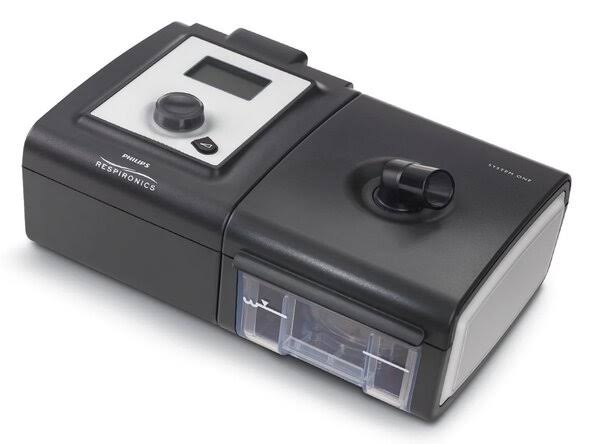
The Philips Respironics PR System One CPAP or BiPAP Machine Paired is a compact sleep therapy solution designed for people managing obstructive sleep apnea who need reliable pressure delivery, simple controls, and flexible comfort settings. It is commonly used as either a fixed-pressure CPAP device or a bilevel PAP system, depending on the specific model and prescription, making it a practical choice for users who want a therapy machine that adapts to different treatment needs.
One of the biggest advantages of the PR System One platform is its patient-friendly design. The machine is lightweight, easy to place on a nightstand, and built with features such as ramp time, flex pressure relief, optional heated humidification, and data tracking for therapy monitoring. These features make nightly use more comfortable while helping users and clinicians review therapy progress. Many versions also support SD-card data storage, which is helpful for compliance checks and follow-up care.
This product is best suited for adults prescribed CPAP, APAP, or BiPAP therapy who want a dependable device with proven compatibility and straightforward operation. It is also useful for travelers or users who prefer a smaller bedside footprint. As of 2026, pricing typically falls in the refurbished or used market rather than new retail channels, with estimated ranges from about $150 to $600 depending on model, humidifier bundle, and condition. Availability varies widely because the System One family is an older platform, so buyers often find it through medical equipment resellers, sleep therapy suppliers, and refurbished medical marketplaces.
Technical Specifications for Philips Respironics PR System One CPAP or BiPAP Machine Paired
- Device type: CPAP or BiPAP/PAP therapy system, depending on model
- Pressure range: Common CPAP models typically support 4–20 cm H2O; BiPAP models may support EPAP and IPAP ranges up to 25 cm H2O
- Ramp time: 0–45 minutes in 5-minute increments
- Pressure relief: Bi-Flex comfort settings on supported bilevel models, typically 0–3
- Dimensions: Approximately 7 in. L x 5.5 in. W x 4 in. H
- Weight: About 3 lbs without humidifier
- Power: External AC power supply with broad voltage support on many versions
- Humidification: Optional heated humidifier compatibility on supported 60 Series units
- Filters: Foam filter plus optional ultra-fine disposable filter
- Data tracking: SD-card therapy data support on many versions
- Noise level: Quiet bedside operation designed for home sleep therapy
- Altitude handling: Many models include automatic or manual altitude compensation
Compared with newer CPAP machines, the PR System One prioritizes reliability and simplicity over advanced smartphone connectivity, cloud reporting, and auto-adjusting digital ecosystems. It remains a solid choice for users who want proven PAP therapy performance without a steep learning curve.
How to Set Up the Philips Respironics PR System One CPAP or BiPAP Machine Paired
Start by placing the device on a stable, level surface near your bed and away from direct heat or moisture. Connect the power adapter, attach the air tubing, and fit the mask securely. If you are using a heated humidifier, make sure the humidifier chamber is seated correctly before turning the device on. Insert any SD card only when the machine is powered off.
Next, confirm your prescribed settings. For CPAP, set the fixed pressure as directed by your sleep specialist. For BiPAP, verify both EPAP and IPAP values and check comfort features such as Bi-Flex or ramp time. If your machine includes pairing or data synchronization with a clinician portal, follow the instructions from your sleep provider to export or review therapy data.
If air feels weak or the mask leaks, recheck tubing connections, mask fit, and filter condition. Never block the air inlet, use the machine without a filter, or place it on soft bedding that can restrict airflow. If you notice water in the tubing, reduce humidifier output or place the machine slightly lower than the mask to limit condensation.
Troubleshooting the PR System One CPAP or BiPAP Machine
Common issues usually involve airflow, mask seal, humidification, or power. If the machine does not start, confirm that the power cord is fully inserted and the outlet is working. If airflow is too low, check for a clogged filter, kinked tubing, or incorrect pressure settings. If you hear excess noise, inspect the mask, tubing, and humidifier seal for leaks.
Typical user-visible issues can include blank display, ramp not activating, or therapy data not saving to the SD card. For a blank screen, disconnect power for a few seconds and reconnect it. For SD-card errors, remove the card, check for damage, and reinsert it only after shutdown. If water accumulates in the hose, lower humidity, warm the room, or use hose insulation.
Preventive care helps reduce problems: replace disposable filters regularly, clean the mask and tubing as directed, and inspect seals for wear. Warranty coverage depends on whether the unit is refurbished, new-old-stock, or sold through an authorized supplier. For support, contact the seller, your durable medical equipment provider, or Philips Respironics customer support through official sleep therapy channels and serial-number verification.
Pros and Cons of the Philips Respironics PR System One CPAP or BiPAP Machine Paired
Pros
- Compact, lightweight design that fits easily on most nightstands
- Comfort features such as ramp and pressure relief help new users adjust
- Reliable PAP therapy performance for CPAP and BiPAP prescriptions
- Optional heated humidifier improves comfort for dry air and congestion
- SD-card data tracking supports compliance and therapy review
- Often more affordable than newer smart-connected machines
Cons
- Older platform with limited modern connectivity and app-based monitoring
- Availability is inconsistent because many units are refurbished or used
- Accessory compatibility can vary between 50 Series and 60 Series versions
- May lack newer auto-adjusting comfort tools found in recent competitors
- Replacement parts may require more careful sourcing
For value for money, the Philips Respironics PR System One CPAP or BiPAP Machine Paired can be a strong budget-friendly option when purchased in good condition with the correct humidifier and tubing. Compared with newer ResMed and Philips smart devices, it trades convenience features for dependable core therapy at a lower cost.
Customer Reviews and Real-World Feedback on the PR System One
Users frequently praise the machine for being quiet, compact, and easy to use. Many report that the ramp feature and pressure relief settings make early therapy more tolerable. Average user sentiment for well-maintained units is often around 4 out of 5 stars, especially when the machine includes a working humidifier and clean accessories.
Common complaints include difficulty finding compatible parts, aging plastic on older units, and the lack of modern wireless reporting. Some users also mention condensation in the tubing when humidity is set too high. The most helpful buying advice is to choose a unit with verified runtime, inspect the mask and hose connections carefully, and confirm whether it is a 50 Series or 60 Series model before purchase.
Overall, the Philips Respironics PR System One CPAP or BiPAP Machine Paired is a practical recommendation for budget-conscious users who want proven PAP therapy and do not need advanced app connectivity or cloud-based tracking.
Faqs
How do I set up philips Respironics PR System One CPAP or BiPAP Machine Paired for the first time?
What should I do if philips Respironics PR System One CPAP or BiPAP Machine Paired is not delivering enough air pressure?
Why does philips Respironics PR System One CPAP or BiPAP Machine Paired show mask leak problems, and how can I fix them?
Is philips Respironics PR System One CPAP or BiPAP Machine Paired compatible with all CPAP masks and tubing?
How do I optimize comfort settings on philips Respironics PR System One CPAP or BiPAP Machine Paired for better sleep?
What maintenance does philips Respironics PR System One CPAP or BiPAP Machine Paired need to stay reliable?
Why is philips Respironics PR System One CPAP or BiPAP Machine Paired making unusual noise during use?
How do I know whether philips Respironics PR System One CPAP or BiPAP Machine Paired is providing effective therapy overnight?
More philips manuals
- How to Use: Philips Blu-ray Player BDP2205 User Manual
- Setup & Features: Philips EasyKey 6000 Series Smart Lever Door Lock DDL61S-SHBS User Manual
- Setup & Features: Philips Monitor 1000 Series User Manual
- Setup & Features: Philips RokuTV Series 7875 User Manual
- How to Use: Philips Massage Gun Sports Massage Gun PPM7323 User Manual
- How to Use: Philips ProtectiveClean 4500/5100 User Manual
Leave a Comment