
Hisense DH3020K1W Dehumidifier User Manual
Content
Hisense DH3020K1W Dehumidifier Manual and Product Overview
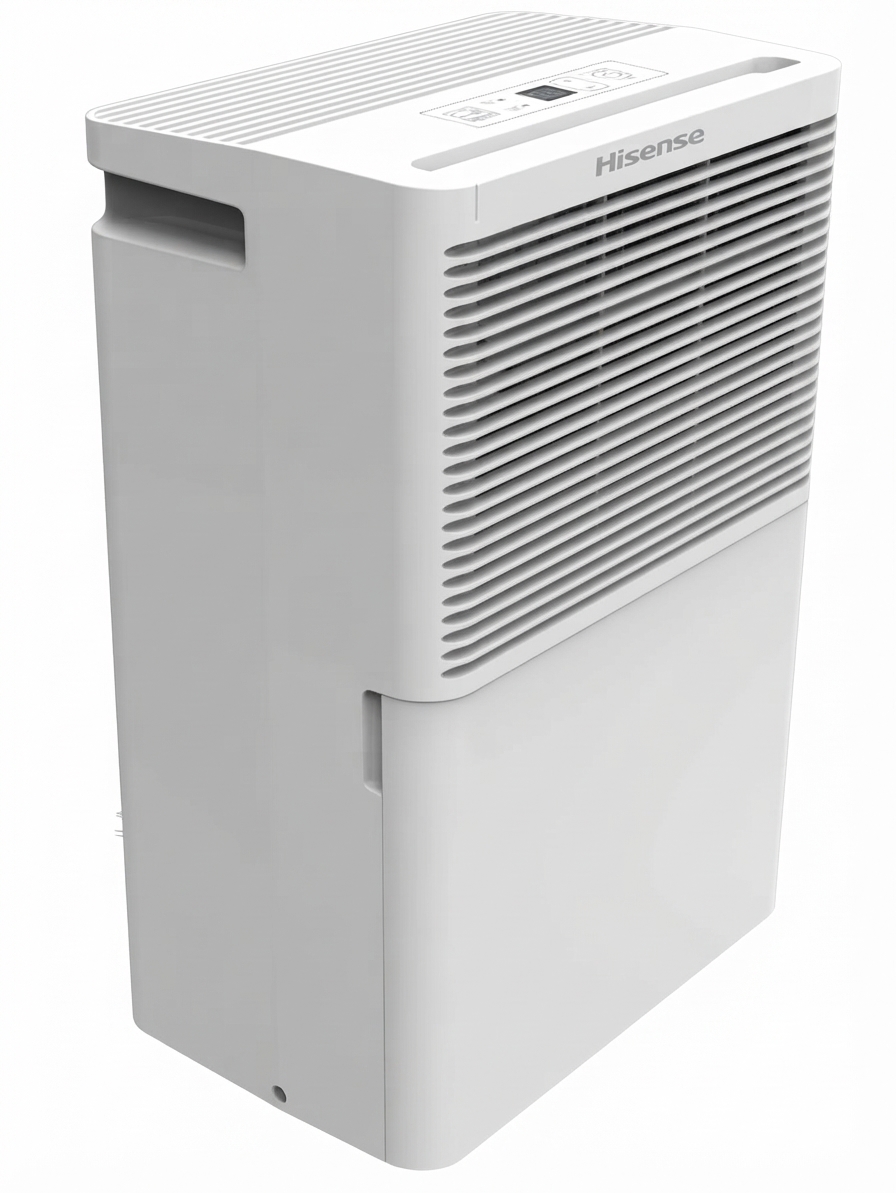
The Hisense DH3020K1W dehumidifier is a compact, energy-efficient moisture control solution designed for bedrooms, basements, laundry rooms, and other medium-sized spaces. Built to remove excess humidity quietly and consistently, this unit helps reduce musty odors, damp surfaces, and the risk of mold and mildew while improving overall indoor comfort. With a 25-pint daily dehumidification capacity, continuous drain support, and a washable filter, the Hisense DH3020K1W Dehumidifier offers a practical balance of convenience and performance for everyday home use.
One of its main advantages is its straightforward operation. The electronic controls, LED display, and single fan speed make it easy to use, even for first-time buyers looking for a no-fuss dehumidifier. Its Energy Star certification also makes it appealing to homeowners who want lower power consumption without sacrificing reliable moisture removal. The built-in bucket shutoff, continuous run option, and garden hose connection add flexibility for both short-term and long-term use. In terms of quiet operation, its 45 dB noise level keeps disruption low, making it suitable for living spaces and sleeping areas.
For shoppers comparing affordable dehumidifiers, the Hisense DH3020K1W Dehumidifier is often positioned as a strong value pick in the budget-to-midrange category. Typical pricing is generally in the approximate range of $120 to $180 depending on retailer, promotions, and availability. It is commonly sold through major appliance retailers, online marketplaces, and home improvement stores, though stock can vary by region. This makes it a practical option for users who want dependable humidity control without stepping into premium pricing.
Specifications: Hisense DH3020K1W Dehumidifier Features and Performance
- Dehumidification capacity: 25 pints per 24 hours
- Coverage area: Up to 1,500 sq. ft. for standard home use
- Noise level: 45 dB(A), designed for quiet operation
- Power requirements: 115V / 60Hz
- Current draw: Approximately 2.7A to 3.7A depending on listing
- Refrigerant: R-410A
- Controls: Electronic control panel with LED display
- Humidity range: Manual setting from 30% to 80%
- Fan speed: Single-speed fan system
- Drainage: Bucket operation plus continuous drain via garden hose connection
- Bucket capacity: 8.5 pints with automatic shutoff at 7.0 pints
- Filter: Washable air filter
- Dimensions: Approximately 334 x 218 x 505 mm
- Energy efficiency: Energy Star certified
Compared with similar 25-pint models, the Hisense DH3020K1W Dehumidifier stands out for its simple design, low noise output, and solid value. Some competing units offer multiple fan speeds, pump drainage, or smart controls, but this model focuses on dependable core performance. It is best suited for users who want effective moisture removal without extra complexity.
Pros and Cons of the Hisense DH3020K1W Dehumidifier
Pros
- Effective moisture removal: The 25-pint capacity handles damp rooms, basements, and laundry areas well.
- Quiet operation: At 45 dB, it is quiet enough for everyday residential use.
- Easy to use: Electronic controls and LED display make setup simple.
- Flexible drainage: The garden hose connection supports continuous draining for hassle-free operation.
- Energy efficient: Energy Star certification helps reduce operating costs.
- Good value for money: It delivers practical features at a price lower than many premium dehumidifiers.
Cons
- Single fan speed: Less customization than models with multiple speed settings.
- No built-in pump: Continuous drain setup is helpful, but it is not as flexible as pump-equipped alternatives.
- Basic feature set: Lacks advanced options like Wi-Fi control, app integration, or a 24-hour timer.
- Moderate bucket size: Users in very humid areas may need to empty it more frequently when not using continuous drain.
For buyers comparing budget dehumidifiers, the Hisense DH3020K1W Dehumidifier offers stronger value than many entry-level units, especially if quiet operation and simple maintenance matter more than smart features.
Customer Reviews for the Hisense DH3020K1W Dehumidifier
Customer feedback for the Hisense DH3020K1W Dehumidifier is generally positive, with many users giving it around 4 out of 5 stars. Buyers frequently praise its quiet performance, easy setup, and ability to reduce humidity quickly in small to medium rooms. A common positive comment is that it works well in basements and helps eliminate damp smells within a short time.
Typical testimonials describe the unit as “simple, effective, and compact,” with many appreciating the continuous drain option for long-term use. Common complaints include the lack of multiple fan speeds, the absence of a pump, and the fact that the bucket may need frequent emptying when continuous drainage is not used. Some users also note that it is best for moderate humidity rather than extremely wet environments.
Overall, this model is recommended for homeowners seeking a reliable, low-noise dehumidifier with strong everyday performance. It is a smart purchase for users who value practicality over advanced smart-home features.
Faqs
How do I set up the Hisense DH3020K1W Dehumidifier for the first time in a basement or bedroom?
Why is my Hisense DH3020K1W Dehumidifier running but not collecting much water?
What does the humidity setting on the Hisense DH3020K1W Dehumidifier actually control?
Can the Hisense DH3020K1W Dehumidifier use continuous drain mode, and when is it better than the tank?
What should I do if the Hisense DH3020K1W Dehumidifier keeps shutting off unexpectedly?
How do I clean and maintain the Hisense DH3020K1W Dehumidifier to keep it working efficiently?
Is the Hisense DH3020K1W Dehumidifier suitable for a whole basement, and how do I know if it is the right size?
Why is my Hisense DH3020K1W Dehumidifier making unusual noise, and how can I reduce it?
More hisense manuals
Leave a Comment