
Installation: Petsafe PSA1130 Smart Pet Doorbell User Manual
Content
PetSafe PSA1130 Smart Pet Doorbell: Complete Product Manual and Buyer Guide
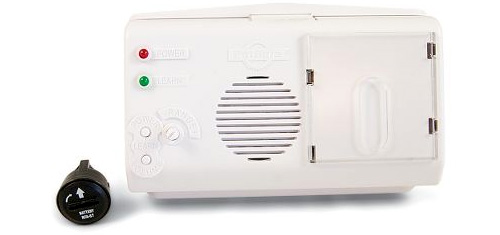
The PetSafe PSA1130 Smart Pet Doorbell is a collar-activated pet door alert system designed to tell you when your dog or cat is waiting at the door. It uses a SmartKey-style transmitter worn by your pet to trigger an audible chime as the animal enters the adjustable sensing range, making it easier to manage indoor-outdoor access without constant door watching. This makes the PetSafe PSA1130 Smart Pet Doorbell especially useful for busy households, multi-pet homes, and pet owners training animals to signal when they want to go outside.
One of its biggest strengths is simplicity. The unit offers adjustable detection distance, supports up to five programmed SmartKey codes, and includes a learn mode for quick setup. It is also built for flexible placement and can be used with or without an external antenna, depending on the installation environment. The doorbell is typically positioned near an exit door, back door, or patio entrance where pets usually wait to go out. For owners who want a practical, low-tech pet communication solution, the PetSafe PSA1130 Smart Pet Doorbell provides a reliable middle ground between basic pet bells and more expensive smart door systems.
In terms of value, this product has historically been positioned in the affordable pet-access category, with an estimated price around $89.99 and availability through pet supply retailers and online marketplaces. It appeals to dog owners, cat owners, trainers, and families who want a clear way to understand when a pet needs to go outside, especially in homes where barking or scratching at the door is a problem.
Specifications for PetSafe PSA1130 Smart Pet Doorbell
- Product type: Collar-activated smart pet doorbell
- Activation method: Detects a programmed SmartKey worn by the pet
- Sensing range: Adjustable from approximately 3 inches up to 36 inches
- Minimum range behavior: Approximately 6 inches in standard operation
- Memory capacity: Supports up to 5 SmartKey codes for multiple pets
- Power source: 3 C batteries, not included
- Installation options: Can be installed with or without an external antenna
- Alerts: Audible chime when a pet enters the detection zone
- Controls: Volume and power buttons plus a learn mode for pairing SmartKeys
- Included items: One SmartKey, mounting hardware, and an operating guide
- Special feature: Built-in picture frame for personalization
- Typical price point: About $89.99
Compared with basic hanging pet bells, the PetSafe PSA1130 Smart Pet Doorbell is more precise because it responds only to the programmed SmartKey rather than any movement near the door. Compared with higher-end smart pet doors, it is far more affordable and easier to install, but it does not provide app control, locking access, or remote scheduling.
Pros and Cons of the PetSafe PSA1130 Smart Pet Doorbell
Pros
- Simple way to know when pets want to go out, reducing barking and scratching at the door
- Adjustable range helps fine-tune detection for different entryway layouts
- Supports up to five pets, which is useful for multi-pet households
- Lower cost than full smart pet doors, making it a strong value-for-money option
- Easy-to-understand operation with learn mode and basic controls
- Works well for training pets to communicate their door needs consistently
Cons
- Requires C batteries, which are not included and add ongoing replacement cost
- No smartphone app, notifications, or remote monitoring
- Depends on pets wearing the SmartKey correctly for reliable activation
- Not a complete access-control system like a smart locking pet door
- Detection range may need adjustment to avoid missed signals or accidental triggers
For buyers comparing alternatives, the PetSafe PSA1130 Smart Pet Doorbell is best for pet owners who want a low-cost alert system rather than a full automated pet entry solution. If you need selective locking, app control, or weather-sealed access, a more advanced smart door may be a better fit.
Customer Reviews and Real-World Feedback
User feedback for the PetSafe PSA1130 Smart Pet Doorbell is generally positive, with many owners praising its ease of use and the convenience of knowing when a pet is waiting by the door. Typical ratings in this product category often fall around 4 out of 5 stars for usefulness and training support.
- Praise: “It helped stop constant scratching at the door and made potty breaks much easier.”
- Praise: “Setup was quick, and the adjustable range made it work well in our hallway.”
- Complaint: “Battery life could be better, especially if the unit is used heavily every day.”
- Complaint: “The pet must wear the SmartKey consistently, or the system won’t trigger.”
Most complaints focus on battery dependency, occasional range tuning, and the need for pets to adapt to wearing the SmartKey. For households that want a simple and affordable pet door alert, this product is usually recommended. For buyers expecting app-based features or fully automatic door control, the PetSafe PSA1130 Smart Pet Doorbell may feel limited.
Faqs
How do I set up the petsafe PSA1130 Smart Pet Doorbell for the first time?
Why is my petsafe PSA1130 Smart Pet Doorbell not responding when my pet presses it?
Where is the best place to install the petsafe PSA1130 Smart Pet Doorbell for reliable use?
How do I train my pet to use the petsafe PSA1130 Smart Pet Doorbell consistently?
What should I do if the petsafe PSA1130 Smart Pet Doorbell keeps triggering by accident?
Is the petsafe PSA1130 Smart Pet Doorbell compatible with small dogs and cats?
How can I improve the performance of the petsafe PSA1130 Smart Pet Doorbell during daily use?
How should I clean and maintain the petsafe PSA1130 Smart Pet Doorbell?
More petsafe manuals
- Petsafe YardMax Pet Fencing PIF00-12917 User Manual
- Petsafe In-Ground Fence Receiver PIG00-13737 Guide
- Petsafe Elite Remote Trainers PAC00-13632 Beginners Guide
- Petsafe Automatic Clean ZAL00-16408 Litter Box Guide
- Petsafe Wireless Containment PIF-300 Manual
- How to Use: Petsafe Drinkwell 2 Gallon Pet Fountain PWW00 Guide
Leave a Comment