
Version 9.2 Roku TV User Manual
Content
Roku Version 9.2 Roku TV Product Manual
Introduction
The roku Version 9.2 Roku TV is a smart television platform built around Roku OS 9.2, designed to make streaming fast, simple, and easy to navigate. It combines live broadcast TV, streaming apps, and Roku’s built-in content discovery tools in one unified interface, making it a practical choice for households that want an all-in-one entertainment hub. Roku OS 9.2 introduced platform updates focused on better content discovery, improved performance, and easier access to entertainment across supported Roku devices.
This TV platform is especially useful for families, cord-cutters, casual streamers, and first-time smart TV buyers who want a straightforward setup without a steep learning curve. With features like Roku Zones, improved channel browsing, Roku Tips & Tricks, voice-based sleep timer support on select Roku TVs, and automatic software updates, the experience is designed to stay current over time. The interface is clean, remote-friendly, and optimized for quick access to popular services, free content, and live TV options.
In terms of price, Roku TVs typically fall in the budget to midrange category, with estimated availability commonly ranging from around $150 to $700 depending on screen size, panel type, and brand partner. Available through major electronics retailers and online stores, the roku Version 9.2 Roku TV remains a strong value option for users who want dependable streaming performance, simple controls, and broad app compatibility without paying premium-brand prices.
Specifications and Key Features
- Operating system: Roku OS 9.2 with built-in smart TV interface.
- Content discovery: Roku Zones, updated 4K Spotlight browsing, and discovery shortcuts for genre-based viewing.
- Streaming support: Access to major streaming apps, live TV, free channels, and The Roku Channel.
- Voice features: Support for Roku Voice on compatible remotes and mobile app functions.
- Setup: Guided setup with automatic software update after Wi-Fi connection.
- Connectivity: Wi-Fi, HDMI inputs, USB ports, and optional Ethernet on select models.
- TV controls: Sleep timer support on Roku TV models using voice commands or mobile app in supported regions.
- Performance: Faster channel loading, improved caching, and smoother platform navigation compared with earlier Roku releases.
- Comparison: More streamlined than many Android TV interfaces and easier to use than some Fire TV layouts for beginners.
Compared with similar smart TVs, the roku Version 9.2 Roku TV emphasizes simplicity and speed over advanced customization. It is a strong alternative for users who prioritize easy navigation, broad streaming access, and consistent software support.
Detailed Description
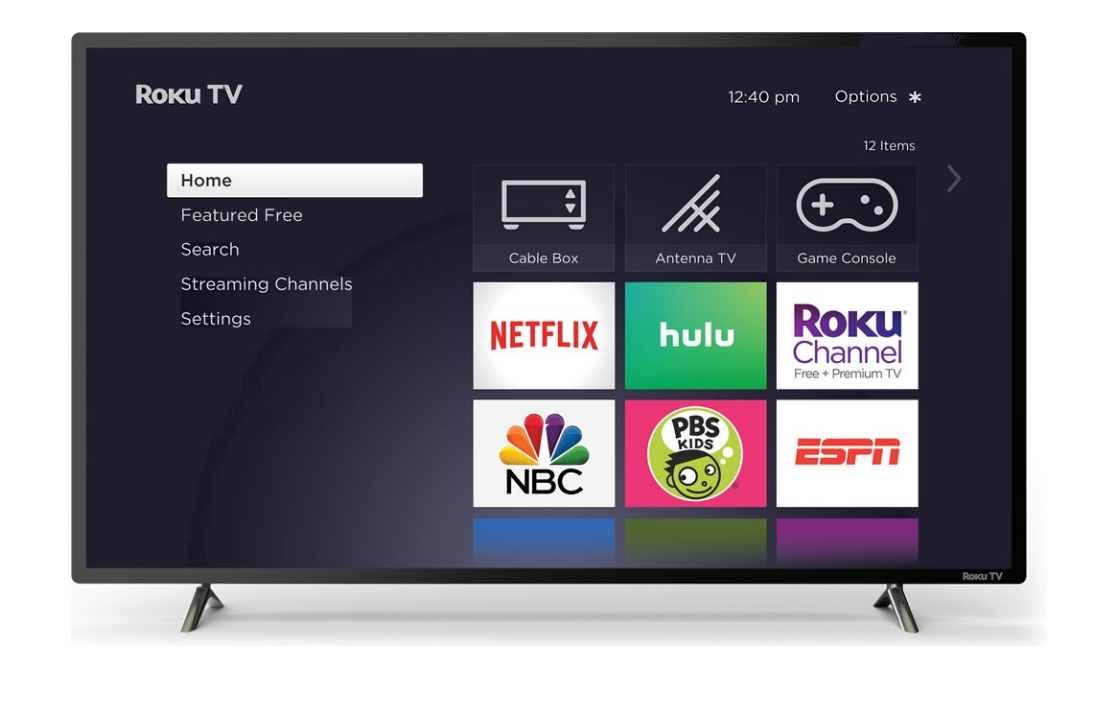
The roku Version 9.2 Roku TV works by integrating Roku OS directly into the television, removing the need for an external streaming box or stick. Once connected to Wi-Fi, the TV automatically downloads updates, signs in to your account, and displays a home screen organized around inputs, apps, recommendations, and live content. Users can switch between streaming services, antenna channels, and connected devices from the same interface.
In real-world use, this setup is ideal for streaming movies, watching sports, browsing free content, or using voice commands to find a show faster. Roku Zones and featured rows help users discover content by category, while the system’s fast launch behavior improves the time it takes to open apps. The build quality depends on the TV manufacturer, but most Roku TVs use lightweight plastic cabinets, standard VESA mounting support, and simple remote layouts that prioritize ease of use.
User experience is one of the strongest advantages. The interface is uncluttered, menu labels are easy to understand, and performance is designed for quick everyday use. For households that want an affordable smart TV with reliable navigation and long-term usability, this platform delivers strong practical value.
Setup Guide
- Unbox the TV carefully and attach the included stands, or mount it on the wall using a compatible VESA bracket.
- Place the TV on a stable surface and make sure ventilation openings are not blocked.
- Connect the power cord and press the Power button on the remote or TV.
- Follow the Guided Setup prompts on screen and select the correct language and region.
- Choose Set up for home use unless the unit is being configured for retail display.
- Select your Wi-Fi network, enter the password, and confirm the connection.
- Allow the TV to download the latest Roku OS updates and restart automatically.
- Pair the remote if prompted, then sign in or create a Roku account.
- Configure picture mode, audio settings, and input labels based on your preferences.
If the network does not appear, use Scan again or move the router closer to the TV. For safety, avoid placing the unit near moisture, direct heat, or unstable furniture. Do not cover the ventilation slots, and disconnect power before mounting or moving the TV. If voice features are not responding, verify remote batteries and confirm that the remote is paired correctly.
Troubleshooting
- TV will not power on: Check the power cable, wall outlet, and remote batteries. Try the physical power button on the TV.
- Wi-Fi connection failed: Restart the router, re-enter the password, or move closer to the access point.
- Apps are slow to open: Restart the TV, clear unused apps where possible, and ensure the system is updated.
- No sound: Verify volume, mute status, audio output settings, and external device connections.
- Remote not pairing: Replace batteries, restart the TV, and re-pair the remote near the television.
- Blank screen: Confirm the correct HDMI input and inspect the source device and cables.
Common Roku error messages usually point to network, activation, or update problems rather than hardware failure. A restart resolves many issues, while a factory reset should be reserved for persistent setup or account problems. Preventive maintenance includes keeping the TV updated, avoiding power interruptions during updates, and using a stable internet connection. Warranty coverage and support depend on the TV manufacturer, but most Roku TV help starts with the retailer, brand support page, or the official Roku support website.
For additional assistance, use the support section inside the Roku interface or contact the television brand’s customer service line listed in the product documentation.
Pros & Cons
Pros
- Simple and intuitive interface that is easy for beginners to learn.
- Fast access to streaming apps, live TV, and free channels.
- Automatic updates help keep features current over time.
- Strong value for money compared with many premium smart TV platforms.
- Good fit for cord-cutters who want one screen for all entertainment.
Cons
- Less customization than Android TV or Google TV.
- Hardware quality varies by TV brand and model.
- Some advanced users may want more detailed picture controls.
- Occasional app or network glitches may require restarting the TV.
- Voice and sleep timer functions depend on compatible hardware and region.
Overall, the roku Version 9.2 Roku TV is best for users who want a dependable, low-cost smart TV experience rather than a highly customizable platform. It compares favorably with Fire TV and Android TV models when ease of use and straightforward navigation matter most.
Customer Reviews
Customer feedback for Roku TV products is generally positive, with many users giving the platform 4 to 5 stars for simplicity, speed, and app selection. A typical review says, “Setup was quick, and I was watching Netflix and live TV within minutes.” Another common comment is, “The menu is clean, and my family can use it without any training.”
Praise often focuses on easy navigation, reliable streaming, and strong value. Common complaints include occasional buffering, remote battery drain, and differences in picture quality depending on the TV manufacturer. Buyers who want a straightforward smart TV for streaming, sports, and free content usually report the best experience. For shoppers comparing alternatives, this model is a strong recommendation for budget-conscious users and households that prefer a simple, user-friendly interface.
Faqs
How do I set up roku Version 9.2 Roku TV for the first time?
What should I do if roku Version 9.2 Roku TV is stuck on the loading screen or keeps restarting?
Which features are included in roku Version 9.2 Roku TV that improve everyday use?
Can I connect an antenna and scan channels on roku Version 9.2 Roku TV?
Why is roku Version 9.2 Roku TV not connecting to Wi-Fi during setup?
How can I make roku Version 9.2 Roku TV load apps and channels faster?
Does roku Version 9.2 Roku TV work with voice remotes and smart assistants?
How should I maintain roku Version 9.2 Roku TV to keep it working properly?
Tags
More roku manuals
Leave a Comment