
Bowers and Wilkins CC6 Center Channel Speaker User Manual
Content
Bowers and Wilkins CC6 Center Channel Speaker Review and Manual
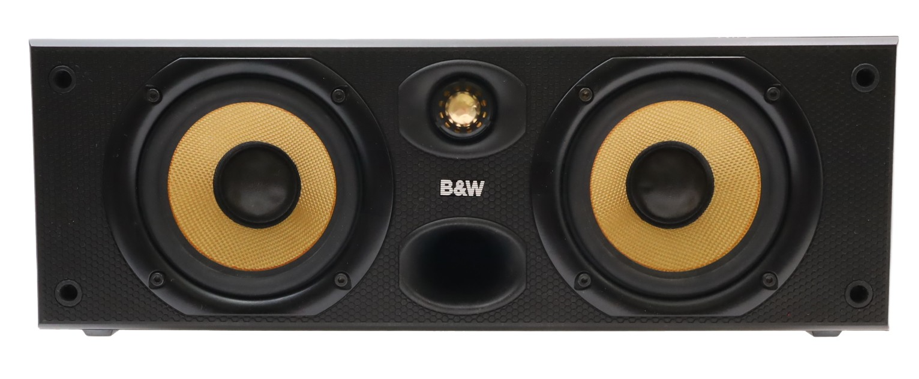
The Bowers and Wilkins CC6 Center Channel Speaker is a dedicated home theater center speaker built to deliver crisp dialogue, smooth tonal balance, and reliable performance in a compact cabinet. Designed for movie lovers and surround sound enthusiasts, it excels at anchoring voices and front-stage effects with clarity and precision. If you want a center channel speaker that blends well with classic Bowers & Wilkins systems, the CC6 remains a respected choice for upgrades, replacements, and budget-conscious home cinema builds.
Its main strengths include a two-way design, Kevlar mid/bass drivers, an aluminum dome tweeter, and a magnetically shielded enclosure that supports placement near televisions and other electronics. The speaker is especially well suited to users who want a clear center image for film dialogue, TV shows, and multichannel music playback. It is commonly paired with older Bowers & Wilkins bookshelf or tower speakers, making it a practical match for legacy setups.
The Bowers and Wilkins CC6 Center Channel Speaker is typically available only on the used or refurbished market, since it is an older model in the brand’s archive lineup. Pricing usually varies by condition, finish, and seller, but a reasonable estimate is around the low to mid hundreds of dollars depending on availability and cosmetic state. For buyers searching for a classic center speaker with proven performance, the CC6 offers strong value and a recognizable B&W sound signature.
Specifications and Key Features
- Speaker type: Two-way center channel speaker
- Driver layout: Dual Kevlar bass/midrange drivers with one aluminum dome tweeter
- Enclosure: Vented-box design for fuller low-end output
- Magnetic shielding: Yes, suitable for close placement near displays
- Recommended amplifier power: Approximately 25W to 120W
- Nominal impedance: 8 ohms
- Sensitivity: About 89 dB
- Frequency response: Roughly 78 Hz to 20 kHz
- Typical use: Home theater center channel for dialogue and front soundstage reinforcement
- Best match: Older Bowers & Wilkins stereo or surround systems
Compared with many generic center channel speakers, the CC6 is known for more refined midrange character and better voice articulation. Against newer compact center speakers, it may lack modern cabinet styling or advanced crossover tuning, but it still competes well in terms of vocal intelligibility and tonal consistency. The Bowers and Wilkins CC6 Center Channel Speaker is especially appealing if you value natural dialogue reproduction over extra bass output.
Setup Guide for the Bowers and Wilkins CC6 Center Channel Speaker
Place the speaker directly above or below your display, centered as close as possible to the screen for the best dialogue localization. Keep the front baffle unobstructed so sound can project freely, and avoid pushing the cabinet too far into a closed shelf.
- Connect the speaker to the center channel output on your AV receiver using quality speaker wire.
- Observe correct polarity by matching positive to positive and negative to negative.
- Set the receiver’s speaker size to “Small” if using a subwoofer, then calibrate levels through your AV setup menu.
- Use room correction or manual distance settings to align the center speaker with your front left and right speakers.
- Test dialogue playback at moderate volume before raising the system level.
Troubleshooting tip: if voices sound thin or distant, recheck polarity, center-channel level, and placement height. Safety warning: disconnect the amplifier before wiring, and never use the speaker with damaged cables or loose binding posts. If the speaker is placed near older CRT equipment, magnetic shielding helps reduce interference, but modern flat-panel displays are also fully compatible.
Troubleshooting Common Issues
- No sound: Confirm the center channel is enabled in the AV receiver and the wire is firmly connected.
- Weak dialogue: Increase the center channel trim level or run speaker calibration again.
- Distortion at high volume: Lower the level, check amplifier clipping, and make sure the receiver is within the recommended power range.
- Rattling or buzzing: Inspect the grille, cabinet placement, and cable connections for vibration or looseness.
- Unbalanced front soundstage: Adjust speaker distance settings and verify that left, center, and right speakers are matched in level.
Prevent problems by keeping the speaker dust-free, using properly stripped wire ends, and avoiding overdriving the system. For support, buyers should contact the seller, refurbisher, or Bowers & Wilkins support resources for archive products when available. Warranty coverage depends on whether the unit is new old stock, refurbished, or second-hand, so confirm terms before purchase.
Pros and Cons of the Bowers and Wilkins CC6 Center Channel Speaker
Pros
- Clear, natural dialogue reproduction that works well for movies and TV
- Kevlar drivers deliver a smooth midrange and recognizable B&W sound character
- Magnetic shielding improves placement flexibility near displays
- Strong value on the used market for buyers building a classic home theater
- Matches well with older Bowers & Wilkins speakers for a cohesive front stage
Cons
- Older design, so availability is limited to used or archive channels
- Cabinet styling and features may feel dated versus modern center speakers
- Best performance depends on careful receiver calibration and placement
- Not ideal for listeners wanting deep bass from the center channel alone
In value-for-money terms, the Bowers and Wilkins CC6 Center Channel Speaker is attractive if you find one in good condition at a fair price. Compared with newer alternatives, it offers less convenience but often better tonal integration with classic B&W systems.
Customer Reviews and User Feedback
Typical owner feedback for the Bowers and Wilkins CC6 Center Channel Speaker is strongly positive around dialogue clarity and midrange smoothness. Many users rate it around 4 to 5 stars for home theater use, especially when paired with matching B&W front speakers. One common comment is that voices sound “clean and anchored,” which is exactly what a center channel should do.
Frequent praise includes compact size, easy placement, and a refined sound that improves movie watching. Common complaints focus on age-related condition, cosmetic wear, and the fact that it is no longer sold as a current model. Buyers looking for a reliable classic center speaker often recommend it, while those wanting the latest features may prefer newer center channel alternatives.
Frequently Asked Questions
What is the Bowers and Wilkins CC6 Center Channel Speaker used for? It is designed mainly for dialogue reproduction in home theater systems.
Is the CC6 a good match for modern AV receivers? Yes, it works well with most receivers that can handle an 8-ohm center speaker within its recommended power range.
Is the speaker still available new? It is typically found only through used, refurbished, or archive listings.
What is the best setup for voice clarity? Place it centered under or above the screen, calibrate the receiver, and keep the front of the cabinet unobstructed.
Faqs
How do I set up the Bowers and Wilkins CC6 Center Channel Speaker for the best dialogue clarity?
What amplifier or AV receiver works best with the Bowers and Wilkins CC6 Center Channel Speaker?
Why does the Bowers and Wilkins CC6 Center Channel Speaker sound too quiet compared with my front speakers?
Can I use the Bowers and Wilkins CC6 Center Channel Speaker with modern AV receivers and surround sound systems?
How do I position the Bowers and Wilkins CC6 Center Channel Speaker to reduce muffled voices?
What should I check if the Bowers and Wilkins CC6 Center Channel Speaker has no sound?
How do I maintain and clean the Bowers and Wilkins CC6 Center Channel Speaker safely?
Is the Bowers and Wilkins CC6 Center Channel Speaker suitable for matching with older Bowers and Wilkins bookshelf speakers?
More bowers and wilkins manuals
- Bowers and Wilkins Series-80 Floorstanding Speaker 802 F Special User Manual
- Bowers and Wilkins Pi7-S2 True Wireless Earbuds User Manual
- Installation: Bowers and Wilkins CCM6 Series In-Ceiling Speaker Instruction Manual
- Bowers and Wilkins 800 Series Center Channel Speaker HTM1-D3 User Manual
- Bowers and Wilkins Standmount & Bookshelf Loudspeaker 606 User Manual
- Bowers and Wilkins CWM Cinema 6 In-Wall Speaker User Manual
Leave a Comment