
Bowers and Wilkins CWM Cinema 6 In-Wall Speaker User Manual
Content
Bowers and Wilkins CWM Cinema 6 In-Wall Speaker: Complete Product Manual
Introduction
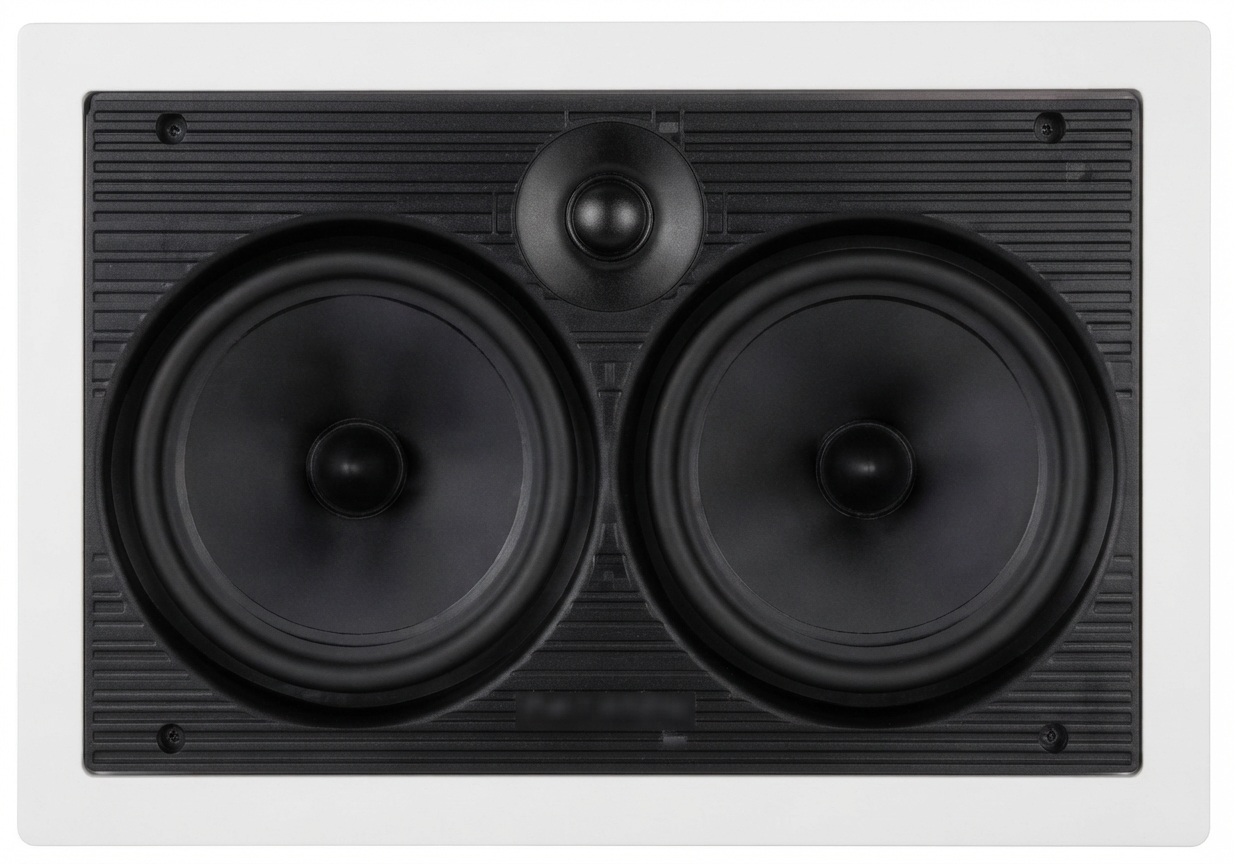
The Bowers and Wilkins CWM Cinema 6 In-Wall Speaker is a premium custom-install speaker designed for discreet home theater systems, multi-channel audio setups, and high-performance surround sound installations. Built for users who want clean room aesthetics without sacrificing detailed sound, this in-wall speaker combines a compact flush-mount design with a powerful two-way acoustic platform. It is especially well suited for left, right, or center channel use, as well as surround applications in dedicated cinema rooms and living spaces.
Key benefits include a tube-loaded soft dome tweeter, dual 6-inch woven glass fibre bass/midrange drivers, and a high sensitivity design that supports dynamic playback with excellent clarity. The speaker is engineered for easy integration into custom installation projects, making it a strong choice for contractors, AV integrators, and homeowners building a hidden home theater system. Its semi-matt white finish can be customized or pre-painted to match interior decor, which adds flexibility for modern installations.
The Bowers and Wilkins CWM Cinema 6 In-Wall Speaker typically falls into the mid-to-premium price category, with estimated availability in the used, clearance, or specialty custom-install market rather than as a mainstream retail item. Depending on region and condition, pricing often appears in the approximate range of $300 to $600 per speaker, with older stock or bundled installation packages varying beyond that. It remains a popular option for buyers seeking a compact in-wall home theater speaker with proven Bowers & Wilkins performance.
Specifications and Key Features
- Type: 2-way in-wall speaker system for custom installation and home theater use.
- Drivers: 1 x 25 mm tube-loaded soft dome tweeter, 2 x 160 mm woven glass fibre cone bass/midrange drivers.
- Frequency response: 60 Hz to 22 kHz, with extension down to -6 dB at 50 Hz.
- Sensitivity: 92 dB SPL at 2.83V, 1m for efficient amplification matching.
- Nominal impedance: 8 ohms, with a minimum impedance of 5.0 ohms.
- Power handling: 150W continuous into 8 ohms on unclipped programme material.
- Crossover frequency: 3.5 kHz for balanced integration between drivers.
- Dimensions: approximately 255 mm high, 369 to 370 mm wide, and 90 mm deep.
- Weight: 2.9 kg, making it manageable for wall installation.
- Finish: semi-matt white, suitable for custom painting or blending into interiors.
Compared with smaller in-wall models, the CWM Cinema 6 offers stronger bass output and a fuller midrange thanks to its dual 6-inch drivers. Against larger architectural speakers, it provides a more compact footprint while still delivering excellent clarity for dialogue and cinematic effects. For users searching for a Bowers and Wilkins in-wall speaker for home cinema, this model balances performance, size, and installation flexibility very well.
Setup Guide: How to Install the CWM Cinema 6 In-Wall Speaker
Begin by selecting a wall location that supports the speaker’s size, depth, and cable routing requirements. Mark the cutout carefully and confirm that there are no obstructions such as studs, plumbing, or electrical wiring behind the wall surface. Use a wall aperture that matches the installation dimensions recommended for the speaker and always allow space for the flush-mount frame and grille.
Connect the speaker cable to the terminal assembly before fully seating the unit. Ensure the amplifier is powered off during wiring and verify polarity to avoid phase issues. Once the cables are attached, insert the speaker into the opening and secure it according to the mounting system. If you are using it in a new build, a pre-mount kit or back box can improve consistency and simplify rough-in work. After mounting, fit the grille and confirm that the front surface sits evenly with the wall.
For best results, configure the speaker as left, right, center, or surround based on your theater layout and room acoustics. A receiver with proper speaker calibration can help optimize levels and crossover settings. If sound seems thin or distorted, check cable polarity, amplifier load, and wall cavity clearance. Safety precautions include turning off power before cutting walls, wearing eye protection, and consulting a qualified installer for large custom cinema projects.
Troubleshooting Common CWM Cinema 6 Problems
If the speaker produces no sound, first confirm amplifier output, cable continuity, and correct terminal connections. A silent channel often results from reversed wiring, a disconnected terminal, or a receiver configuration issue rather than a speaker fault. If sound is weak or unbalanced, inspect the left/right channel assignment and verify that the speaker is not being driven below its intended impedance range.
Common complaints include rattling, muffled dialogue, or reduced bass. Rattling may indicate an unsecured grille, a loose mounting frame, or nearby wall vibration. Muffled sound can be caused by incorrect EQ settings, a blocked front opening, or poor placement within the wall cavity. If distortion appears at higher volumes, reduce gain and ensure the amplifier is rated appropriately for the 150W continuous handling capability.
Preventive care includes checking screw tightness after installation, keeping dust away from the grille, and avoiding overdriving the system. For warranty or technical support, contact Bowers & Wilkins through the official product support portal or an authorized dealer. If the original manual or installation sheet is missing, the archived product documentation is typically available from the manufacturer’s support library and product archive.
Pros and Cons of the Bowers and Wilkins CWM Cinema 6 In-Wall Speaker
Pros
- Excellent clarity for movie dialogue and surround effects.
- Dual 6-inch drivers deliver better body and midrange weight than many compact in-wall alternatives.
- Discreet flush-mount design preserves room aesthetics.
- High sensitivity makes it easier to drive with compatible AV receivers.
- Customizable finish helps it blend into modern interiors.
Cons
- Installation is more involved than using a standard bookshelf or soundbar solution.
- Best performance depends on careful wall placement and acoustic setup.
- May require a more powerful amplifier for the best dynamic headroom.
- Availability can be limited since it is often found through specialty or legacy channels.
In value-for-money terms, the Bowers and Wilkins CWM Cinema 6 In-Wall Speaker stands out for users prioritizing sound quality and invisible installation over convenience. Compared with entry-level in-wall models, it offers a more refined listening experience. Compared with premium competitors, it remains attractive for buyers who want trusted Bowers & Wilkins engineering at a reasonable custom-install cost.
Customer Reviews and Real-World Feedback
Typical user feedback for the CWM Cinema 6 is strongly positive, especially from home theater owners and installers who value its balanced sound and discreet appearance. Average sentiment is often around 4.5 out of 5 stars for performance, with praise focused on clear vocals, strong midrange detail, and easy visual integration into the room.
Common praise includes comments such as “dialogue is crisp and easy to understand” and “the speakers disappear into the wall while still filling the room with sound.” Common complaints usually center on installation complexity, limited retail availability, and the need for precise calibration to get the best results. Buyers frequently recommend it for dedicated cinema rooms, media rooms, and multi-channel installations where appearance matters as much as audio quality.
For shoppers comparing in-wall home theater speakers, this model is a smart choice if you want premium sound, discreet design, and dependable custom-install performance from a respected audio brand.
Faqs
How do I install the Bowers and Wilkins CWM Cinema 6 In-Wall Speaker in an existing wall?
What amplifier power works best with the Bowers and Wilkins CWM Cinema 6 In-Wall Speaker?
Can the Bowers and Wilkins CWM Cinema 6 In-Wall Speaker be used as a center, left, right, or surround speaker?
Why does my Bowers and Wilkins CWM Cinema 6 In-Wall Speaker sound thin or weak in the bass?
What should I check if the Bowers and Wilkins CWM Cinema 6 In-Wall Speaker is producing no sound?
How far should the Bowers and Wilkins CWM Cinema 6 In-Wall Speaker be placed from corners or nearby walls?
Is the Bowers and Wilkins CWM Cinema 6 In-Wall Speaker paintable to match my wall?
How do I maintain and clean the Bowers and Wilkins CWM Cinema 6 In-Wall Speaker safely?
More bowers and wilkins manuals
- Bowers and Wilkins Standmount & Bookshelf Loudspeaker 606 User Manual
- Bowers and Wilkins 800 Series Center-Channel Loudspeaker User Manual
- Bowers and Wilkins 800 Series Center Channel Speaker HTM1-D3 User Manual
- How to Use: Bowers and Wilkins Pi8 In-Ear True Wireless Earbuds User Manual
- Bowers and Wilkins Pi7-S2 True Wireless Earbuds User Manual
- Bowers and Wilkins CC6 Center Channel Speaker User Manual
Leave a Comment