
Bowers and Wilkins 800 Series Center Channel Speaker HTM1-D3 User Manual
Content
Introduction to the Bowers and Wilkins 800 Series Center Channel Speaker HTM1-D3
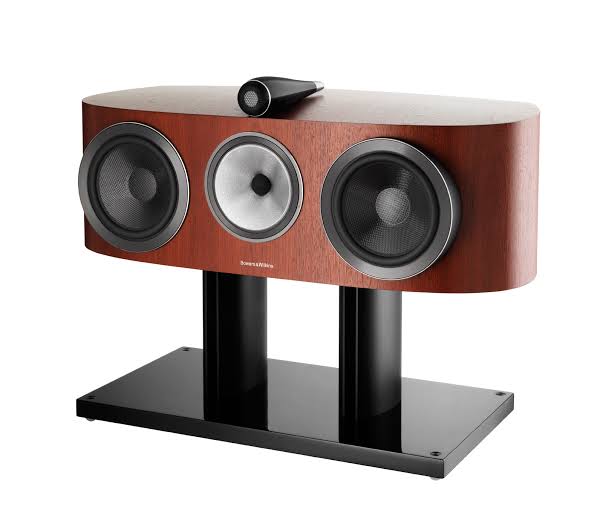
The bowers and wilkins 800 Series Center Channel Speaker HTM1-D3 is a reference-grade center speaker designed for serious home theater systems. Built as part of the premium 800 Series Diamond line, it delivers clear dialogue, precise imaging, and powerful midrange detail that makes movies, concerts, and TV soundtracks feel more lifelike. Its 3-way vented-box design combines a diamond dome tweeter, a Continuum cone FST midrange driver, and dual Aerofoil bass drivers for exceptionally balanced performance across the full frequency range.
This center channel speaker is ideal for home cinema enthusiasts, audiophiles, and anyone building a high-end surround sound system around matching Bowers & Wilkins fronts and surrounds. It is especially well suited to large rooms, dedicated media rooms, and premium AV setups where dialogue clarity and tonal accuracy matter most. If you want a center speaker that can keep pace with powerful main speakers, the HTM1-D3 is built for that role.
Estimated pricing typically sits in the premium range, with historical retail around $6,000 or roughly €6,000 depending on region and finish. Availability varies, and it may be found through specialty audio dealers, select high-end retailers, or limited stock in the used market. The bowers and wilkins 800 Series Center Channel Speaker HTM1-D3 remains a strong choice for buyers seeking flagship-level center channel performance with long-term system value.
Specifications for the HTM1-D3 Center Speaker
- Type: 3-way vented-box center channel speaker
- High-frequency driver: 1 x 25 mm diamond dome tweeter
- Midrange driver: 1 x 150 mm Continuum cone FST driver
- Bass drivers: 2 x 200 mm Aerofoil cone units
- Frequency range: 20 Hz to 35 kHz
- Frequency response: 28 Hz to 28 kHz, +/-3 dB from reference axis
- Sensitivity: 91 dB at 2.83 Vrms
- Nominal impedance: 8 ohms, minimum 3.0 ohms
- Recommended amplifier power: 50 W to 500 W into 8 ohms
- Dimensions: 330 mm high, 850 mm wide, 342 mm deep
- Weight: 30.4 kg
Performance-wise, the HTM1-D3 is designed to deliver low distortion, strong dynamics, and wide sound dispersion for cinematic dialogue and front-stage effects. Compared with smaller center speakers in the same class, it offers deeper bass extension, higher output, and more effortless blending with full-size floorstanding speakers. In a premium home theater speaker comparison, it stands out as a flagship-level choice for users who want maximum clarity and scale from the center channel.
Setup Guide for Bowers and Wilkins 800 Series Center Channel Speaker HTM1-D3
Place the speaker directly above or below your display, ideally centered between the left and right front speakers for the most accurate soundstage. Because the speaker is heavy and large, use two people during placement and always position it on a stable stand, cabinet, or dedicated center-channel support with enough weight capacity.
Connect the HTM1-D3 to a compatible AV receiver or power amplifier using high-quality speaker cable. Match polarity carefully: positive to positive and negative to negative. For best results, use an amplifier capable of clean power delivery in the recommended 50 W to 500 W range. Set the center channel level through your receiver’s speaker calibration system, then run room correction to align timing and tonal balance with the rest of your system.
Safety precautions are essential. Keep ventilation space around the cabinet, avoid blocking the port, and never place the speaker where it can fall or be struck. If sound seems weak, check cable connections, receiver settings, and polarity first. If dialogue sounds too low, raise the center channel trim slightly and verify that the speaker is not placed too far below ear level.
Troubleshooting the HTM1-D3 Center Channel Speaker
Common issues with the bowers and wilkins 800 Series Center Channel Speaker HTM1-D3 usually come down to setup, amplification, or room placement. If dialogue sounds muddy, first confirm that the center speaker is aimed toward the listening position and not obstructed by the TV stand or cabinet edges. If sound is thin or missing bass, check speaker polarity and amplifier settings.
- No sound: Inspect the cable, amplifier output, receiver speaker assignment, and mute settings.
- Distortion at high volume: Reduce gain, verify amplifier quality, and ensure the speaker is not being underpowered or clipped.
- Weak dialogue: Increase center channel trim and re-run room calibration.
- Buzzing or rattling: Check for loose objects on the cabinet, nearby furniture vibration, or an unsecured stand.
- Imbalanced soundstage: Recheck left, center, and right speaker distances in the receiver menu.
Preventive care includes dusting the cabinet, avoiding direct sunlight, and using a stable platform. Warranty coverage and support depend on region and authorized dealer policies, so buyers should contact the retailer or local Bowers & Wilkins service channel for assistance. For help, use the official brand support contact available in your country, or speak with the dealer who supplied the product.
Pros and Cons of the Bowers and Wilkins HTM1-D3
Pros
- Exceptional dialogue clarity for movies, streaming, and gaming
- Premium build quality with flagship 800 Series Diamond engineering
- Strong midrange detail that helps voices sound natural and focused
- High output capability for large rooms and reference home theaters
- Pairs well with other high-end Bowers & Wilkins speakers for seamless timbre matching
Cons
- Large size and heavy weight make placement difficult in compact rooms
- Premium pricing puts it beyond most entry-level home theater budgets
- Requires quality amplification to reach its full potential
- Best results come from a fully matched system, which increases total system cost
For value for money, the HTM1-D3 makes sense if you are building a no-compromise theater and already own or plan to buy matching 800 Series speakers. Compared with smaller center channels, it offers more scale, more detail, and better dynamic headroom. Against alternative premium center speakers, it competes on refinement and authority rather than price efficiency, which is exactly what many flagship buyers want.
Customer Reviews of the HTM1-D3 Center Channel Speaker
Owner feedback is consistently strong for the bowers and wilkins 800 Series Center Channel Speaker HTM1-D3, especially among users who value clear speech and cinematic impact. Many listeners rate it around 4.8 out of 5 stars for its realism, effortless dynamics, and ability to anchor a home theater soundstage.
Common praise includes “dialogue is crisp even at low volume,” “the center image is locked in place,” and “it blends beautifully with the 800 Series fronts.” Common complaints focus on the size, weight, and cost, with some buyers noting that it needs proper amplifier power and careful placement to perform at its best. Overall, it is widely recommended for serious enthusiasts who want a premium center channel speaker with true reference-level performance.
Frequently Asked Questions About the HTM1-D3
What is the HTM1-D3 best used for? It is best used as the main center channel in a high-end home theater system, especially for movies and TV dialogue.
Does it need a powerful amplifier? Yes, it performs best with a quality amplifier or AV receiver that can deliver clean power without distortion.
Is it good for small rooms? It can work in smaller rooms, but its size and output are better suited to medium and large spaces.
Should it be matched with other Bowers & Wilkins speakers? Matching it with compatible 800 Series speakers usually gives the most seamless front-stage sound.
Faqs
How do I set up the bowers and wilkins 800 Series Center Channel Speaker HTM1-D3 for the best home theater performance?
What speakers pair best with the bowers and wilkins 800 Series Center Channel Speaker HTM1-D3 for a matched front stage?
What amplifier power does the bowers and wilkins 800 Series Center Channel Speaker HTM1-D3 need?
Why is dialogue muddy on my bowers and wilkins 800 Series Center Channel Speaker HTM1-D3, and how can I fix it?
Is the bowers and wilkins 800 Series Center Channel Speaker HTM1-D3 hard to drive with an AV receiver?
How do I optimize crossover and bass settings for the bowers and wilkins 800 Series Center Channel Speaker HTM1-D3?
How do I clean and maintain the bowers and wilkins 800 Series Center Channel Speaker HTM1-D3 without damaging it?
What should I do if the bowers and wilkins 800 Series Center Channel Speaker HTM1-D3 sounds unbalanced or one side seems weaker?
More bowers and wilkins manuals
- Bowers and Wilkins Pi7-S2 True Wireless Earbuds User Manual
- Bowers and Wilkins Standmount & Bookshelf Loudspeaker 606 User Manual
- Bowers and Wilkins CC6 Center Channel Speaker User Manual
- Bowers and Wilkins CWM Cinema 6 In-Wall Speaker User Manual
- Bowers and Wilkins Series-80 Floorstanding Speaker 802 F Special User Manual
- Bowers and Wilkins 800 Series Center-Channel Loudspeaker User Manual
Leave a Comment