
Bowers and Wilkins Series-80 Floorstanding Speaker 802 F Special User Manual
Content
Bowers and Wilkins Series-80 Floorstanding Speaker 802 F Special: Product Manual and Buyer’s Guide
Introduction
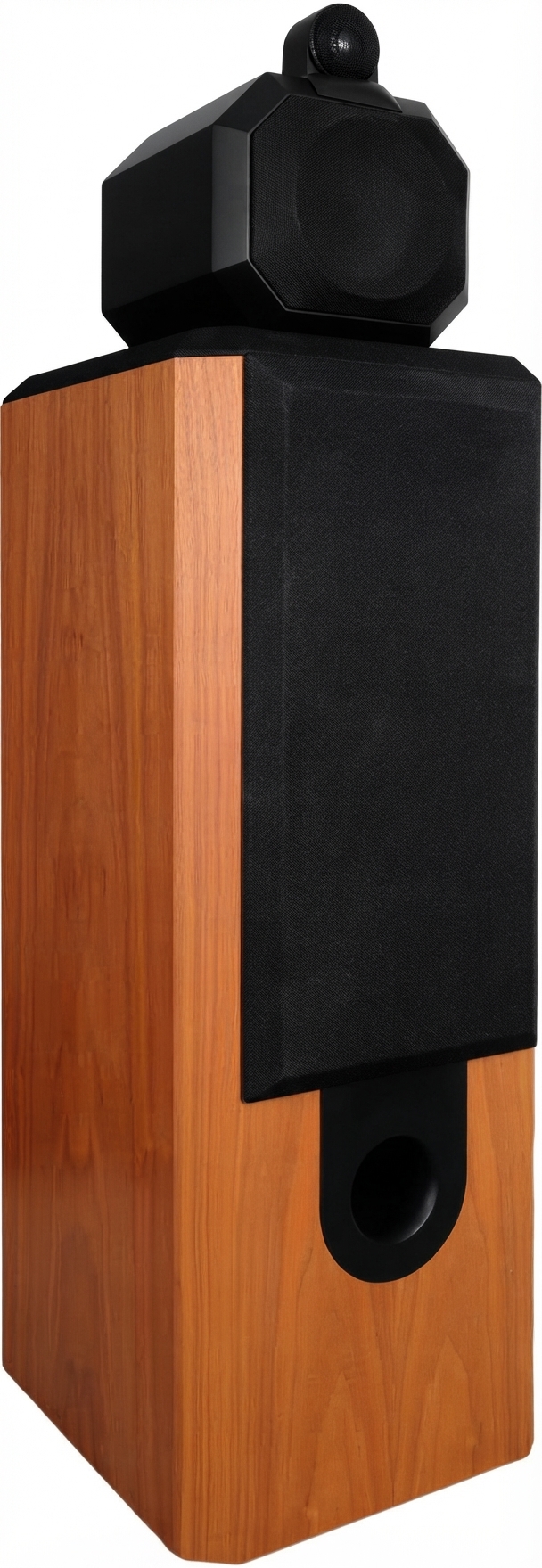
The Bowers and Wilkins Series-80 Floorstanding Speaker 802 F Special is a vintage high-performance floorstanding loudspeaker designed for listeners who want serious stereo imaging, deep bass authority, and the classic B&W presentation. Built as part of the legendary Series 80 era, the 802 F Special stands out for its sealed-box design, three-way driver layout, and refined tuning options that make it especially appealing to audiophiles, collectors, and owners of dedicated listening rooms. It is often chosen for music systems where accuracy, scale, and placement flexibility matter more than compact size.
This model is best suited for high-quality integrated amplifiers and power amplifiers with strong current delivery, especially in rooms where the speaker can be positioned away from walls for optimal bass balance. The 802 F Special is known for its controlled low end, articulate midrange, and smooth high frequencies, making it a strong match for jazz, classical, rock, acoustic recordings, and critical home listening. As a vintage speaker, availability is limited to the used market, restored examples, and specialist audio sellers. Typical pricing can vary widely depending on condition, originality, and refurbishment, but buyers often see a range from roughly $1,500 to $5,000 or more for well-preserved pairs, with exceptional restored units sometimes priced higher.
Specifications
- Product type: Passive floorstanding speaker
- System design: 3-way, 4-driver loudspeaker
- Enclosure: Sealed-box acoustic suspension
- Impedance: 8 ohms nominal
- Sensitivity: Approximately 85 dB to 90 dB depending on production variant and measurement method
- Recommended amplifier power: Typically 80W minimum, with higher-power amplification often preferred for best dynamic headroom
- Frequency response: Approximately 55 Hz to 20 kHz for the classic Series 80 voicing
- Drivers: Dual bass drivers, dedicated midrange driver, and dome tweeter
- Cabinet footprint: Large floorstanding cabinet designed for stable placement and room-filling output
- Special features: Environmental controls and Special-version tweeter refinements on the 802 F Special
- Finish options: Commonly found in wood veneer finishes typical of the era
Compared with later Bowers and Wilkins models, the 802 F Special has a more traditional sealed-box character with tight bass control rather than maximum low-frequency extension. In comparison with modern 800-series speakers, it trades ultimate efficiency and contemporary resolution for a warmer vintage presentation and collectible appeal.
Setup Guide: How to Set Up the Bowers and Wilkins Series-80 Floorstanding Speaker 802 F Special
- Place each speaker on a solid, level floor surface and leave at least 1 to 2 feet of clearance from the rear wall to begin tuning.
- Position the speakers in a symmetrical left-right layout, then angle them slightly toward the listening position for sharper stereo focus.
- Connect the speaker cables to the amplifier with correct polarity, making sure positive and negative terminals match on both channels.
- Use a high-quality amplifier with stable power delivery; vintage B&W floorstanders typically respond best to clean, controlled amplification.
- Adjust environmental controls, if present, to fine-tune treble and midrange output for the room acoustics.
- Play familiar reference music and make small changes to toe-in and spacing until vocals are centered and bass sounds even.
For safe operation, avoid overdriving the speaker with clipping amplifiers, as this can damage the tweeter and midrange section. Because the cabinet is heavy, always move the speaker with two people. If sound is thin, check polarity and room placement first. If bass is boomy, move the speakers farther from walls and reduce corner reinforcement.
Troubleshooting
- No sound: Check amplifier power, cable connections, and source selection. Confirm the speaker wire is firmly attached at both ends.
- Weak bass: Reposition the speaker farther from the wall, inspect the driver condition, and verify amplifier output.
- Harsh treble: Reduce toe-in, lower high-frequency environmental control settings, or test with a different amplifier.
- Imbalanced stereo image: Confirm both speakers are wired with the same polarity and placed at equal distances from the listening seat.
- Rattling or distortion: Inspect for loose cabinet hardware, aging surrounds, or damaged crossover components.
There are no modern digital error codes on this passive speaker, so troubleshooting is physical and mechanical rather than software-based. Preventive care includes keeping the cabinet dry, avoiding direct sunlight, checking driver health regularly, and servicing aging crossover parts when needed. Warranty coverage is usually limited on vintage used units, so buyers should rely on the seller’s guarantee, restoration shop support, or an authorized vintage audio technician for service help.
Pros & Cons
Pros
- Classic Bowers and Wilkins sound with strong imaging and refined midrange
- Sealed-box design offers controlled bass and good placement flexibility
- Large, authoritative presentation suited to serious listening rooms
- Highly collectible vintage model with strong enthusiast appeal
- Works well with high-quality stereo amplifiers and tube or solid-state setups
Cons
- Heavy and difficult to move or position alone
- Requires careful amplifier matching and room setup
- Vintage condition varies widely, so restoration may be necessary
- Less convenient than modern speakers with factory support and easy parts sourcing
- Can be expensive for pristine or fully restored examples
For value for money, the Bowers and Wilkins Series-80 Floorstanding Speaker 802 F Special makes sense for collectors and listeners who prefer vintage engineering over modern convenience. Compared with newer floorstanding speakers, it offers a distinctive character and historical prestige, but buyers should budget for inspection, recapping, and possible driver service.
Customer Reviews
Average user feedback for the Bowers and Wilkins Series-80 Floorstanding Speaker 802 F Special is typically very positive among vintage hi-fi enthusiasts, often landing around 4.5 out of 5 stars in collector communities. Owners frequently praise the speaker’s smooth midrange, spacious soundstage, and elegant build quality. A common testimonial is, “Once properly placed, these speakers disappear and leave only the music.”
Common complaints focus on age-related maintenance, including worn crossover components, tired foam or surround materials on some variants, and the need for powerful amplification. Buyers who plan a restoration generally report the best results. This model is strongly recommended for enthusiasts who value authentic vintage performance, but casual buyers looking for plug-and-play convenience may prefer a modern alternative.
Final Buying Advice
If you want a classic high-end floorstanding loudspeaker with strong musicality and collectible status, the Bowers and Wilkins Series-80 Floorstanding Speaker 802 F Special remains a compelling choice. It rewards careful setup, quality amplification, and a bit of restoration work with a rich, detailed listening experience that still stands out today.
Faqs
How do I set up the bowers and wilkins Series-80 Floorstanding Speaker 802 F Special for the first time?
What amplifier power is best for the bowers and wilkins Series-80 Floorstanding Speaker 802 F Special?
Why does my bowers and wilkins Series-80 Floorstanding Speaker 802 F Special sound bright or thin?
How do the environmental controls on the bowers and wilkins Series-80 Floorstanding Speaker 802 F Special work?
What should I do if the protection circuit on my bowers and wilkins Series-80 Floorstanding Speaker 802 F Special is triggered?
How can I improve bass performance from the bowers and wilkins Series-80 Floorstanding Speaker 802 F Special?
What are the main maintenance steps for a bowers and wilkins Series-80 Floorstanding Speaker 802 F Special?
How do I know if my bowers and wilkins Series-80 Floorstanding Speaker 802 F Special needs restoration or repair?
More bowers and wilkins manuals
- Installation: Bowers and Wilkins CCM6 Series In-Ceiling Speaker Instruction Manual
- Bowers and Wilkins CC6 Center Channel Speaker User Manual
- Bowers and Wilkins Pi7-S2 True Wireless Earbuds User Manual
- Bowers and Wilkins 800 Series Center Channel Speaker HTM1-D3 User Manual
- Bowers and Wilkins Standmount & Bookshelf Loudspeaker 606 User Manual
- Bowers and Wilkins CWM Cinema 6 In-Wall Speaker User Manual
Leave a Comment