
Denon DRA-FIOO Personal Component System User Manual
Content
Introduction to the Denon DRA-FIOO Personal Component System
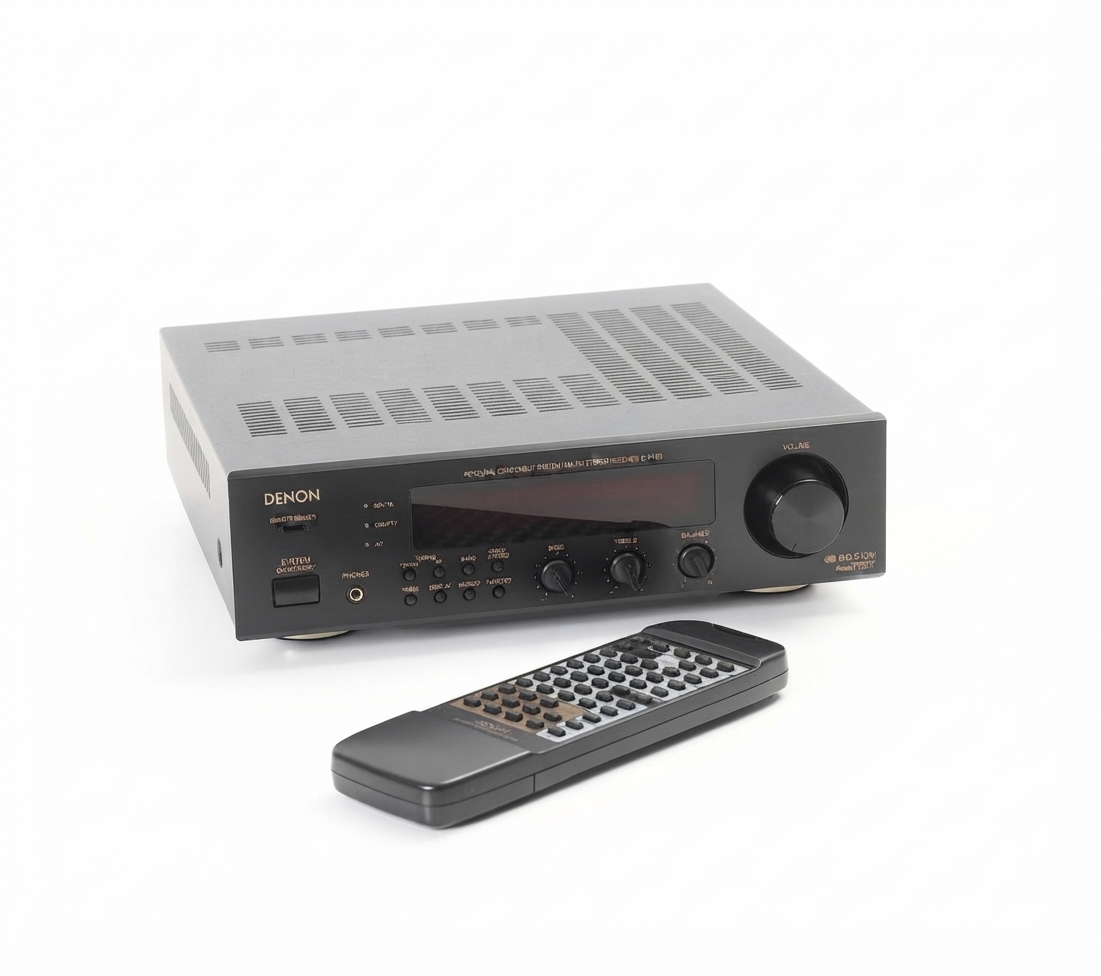
The Denon DRA-FIOO Personal Component System is positioned as a compact hi-fi solution for listeners who want a full-featured stereo experience without the footprint of a traditional AV stack. Designed for everyday music playback, desk-side listening, and small-room home audio, it combines amplifier performance, source connectivity, and tuner-style convenience in one streamlined component. For users who value clean industrial design, straightforward controls, and dependable sound quality, this type of Denon personal component system offers an appealing balance of simplicity and performance.
Its main strengths are versatility and ease of use. Typical use cases include pairing with bookshelf speakers, connecting a turntable, streaming from digital sources, and building a tidy living room or study setup. The system is also a practical choice for people upgrading from a basic Bluetooth speaker or a soundbar to a more immersive stereo setup. In the broader Denon lineup, models in this category are known for solid build quality, intuitive operation, and audio tuning aimed at clear vocals and balanced music reproduction.
Estimated pricing for a unit in this class typically falls in the mid-range audio segment, often around $300 to $900 depending on condition, market, and seller inventory. Availability can vary significantly, especially for older or discontinued Denon personal component systems, so buyers often find them through specialty audio retailers, used marketplaces, and archive-style distributor listings. For search intent and discovery, the phrase denon DRA-FIOO Personal Component System is often used by shoppers looking for compact stereo receivers, personal audio systems, and all-in-one hi-fi components.
Specifications for Denon DRA-FIOO Personal Component System
- Type: Personal component system / stereo receiver class hi-fi component
- Audio output: Typical stereo amplification architecture for bookshelf or compact floorstanding speakers
- Frequency response: Wide-band audio design suitable for music playback and detailed stereo listening
- Signal-to-noise performance: High S/N design expected for clean playback with low background noise
- Total harmonic distortion: Low-distortion amplifier tuning for transparent sound at normal listening levels
- Connectivity: Commonly includes analog inputs, digital inputs, radio tuner support, and speaker outputs
- Source compatibility: Suitable for turntables with external phono support, CD players, streamers, and TVs with adapter connections
- Control features: Front-panel controls, remote operation, and input selection for daily convenience
- Performance focus: Designed for nearfield and small-room stereo listening rather than large-home-theater output
- Comparison: Compared with compact integrated amplifiers, a Denon personal component system usually offers more source flexibility; compared with full-size AV receivers, it is simpler, smaller, and easier to place
For buyers comparing options, the Denon DRA-FIOO Personal Component System sits between entry-level mini systems and more advanced stereo receivers. Its appeal is that it prioritizes musical sound, practical connectivity, and a compact footprint rather than surround processing or gaming-focused HDMI switching.
Detailed Description of the Denon DRA-FIOO Personal Component System
The Denon DRA-FIOO Personal Component System works as a compact stereo hub, taking audio from multiple sources and sending a clean amplified signal to passive speakers. This makes it suitable for a classic two-channel setup where the emphasis is on clarity, channel separation, and easy source management. Users can connect everyday audio devices, switch inputs quickly, and control volume without needing a complex home theater menu system.
In real-world use, the system is ideal for apartment living rooms, offices, bedrooms, and listening spaces where a full hi-fi stack would be too large. It can support casual streaming sessions, vinyl playback through compatible external gear, radio listening, and TV audio in a simple two-speaker layout. The build quality is typically associated with Denon’s practical, durable design approach, using a sturdy chassis, readable front-panel labeling, and controls that are easy to operate.
User experience is usually defined by convenience and balanced sound. Rather than chasing flashy features, this type of Denon component focuses on dependable playback, easy setup, and a polished stereo image. That makes it a strong fit for listeners who want better-than-soundbar audio with minimal complexity.
Setup Guide: How to Install and Configure the Denon DRA-FIOO Personal Component System
- Place the unit on a stable, ventilated surface with several inches of clearance around the sides and top.
- Connect passive speakers to the left and right speaker terminals, making sure polarity is correct.
- Attach any source devices, such as a CD player, TV adapter, Bluetooth receiver, or turntable interface.
- Connect the power cable only after all audio cables are secure.
- Select the correct input from the front panel or remote control.
- Adjust tone, balance, or output settings if the model includes them, then test at low volume first.
- For external streaming devices, pair or connect them according to the device instructions before raising the volume.
When configuring the system, start with moderate volume and verify speaker impedance compatibility before extended use. Do not block ventilation openings, and avoid placing the unit near heat sources or moisture. If there is no sound, confirm the source input, speaker wiring, and mute status before assuming a hardware fault.
For safe operation, keep cables organized, unplug the unit during storms or long periods of inactivity, and never connect damaged speakers or frayed power cords.
Troubleshooting the Denon DRA-FIOO Personal Component System
- No sound: Check input selection, speaker wiring, mute status, and volume level.
- Distortion at high volume: Reduce output, verify speaker impedance, and ensure the speakers are not overloaded.
- One channel missing: Inspect left/right wiring and test with another source.
- Buzzing or hum: Reposition audio cables, separate power lines from signal cables, and test grounding on connected devices.
- Remote not working: Replace batteries, remove obstructions, and confirm the unit’s IR receiver is unobstructed.
- System overheating: Improve airflow and lower volume during extended sessions.
Some Denon products show protection or speaker impedance warnings when the load is incorrect or airflow is limited. If that occurs, power the unit down, check speaker connections, and let it cool before restarting. Preventive care includes keeping dust away from vents, using quality cables, and avoiding continuous playback at maximum volume.
For warranty and support, buyers should rely on the seller, the original manufacturer support channel, or the retailer where the product was purchased. If the unit is older or discontinued, support may be limited to documentation, service archives, or authorized repair partners.
Pros and Cons of the Denon DRA-FIOO Personal Component System
Pros
- Compact footprint: Easy to place on a shelf, desk, or media cabinet.
- Strong stereo focus: Better suited to music listening than many all-in-one speakers.
- Flexible source support: Works well with turntables, CD players, TVs, and streamers.
- User-friendly controls: Simple setup and daily operation for beginners and enthusiasts.
- Good value for stereo upgrades: Often more satisfying than entry-level wireless speakers.
Cons
- Limited surround features: Not intended for multi-channel home theater use.
- Availability may be limited: Older units can be harder to find new.
- May require external accessories: Some setups need a separate phono stage or streaming device.
- Not ideal for very large rooms: Best performance is in small to medium spaces.
Compared with budget soundbars, this Denon personal component style system delivers better stereo separation and more upgrade potential. Compared with modern network receivers, it may offer fewer smart features but often wins on simplicity and focused audio performance.
Customer Reviews and User Feedback
User feedback for the denon DRA-FIOO Personal Component System typically highlights a warm, balanced sound signature and easy everyday operation. Many owners praise the compact size, especially for apartments and secondary listening rooms. Common complaints usually center on limited modern networking features, older connectivity standards, or difficulty finding replacement units in excellent condition.
Average user sentiment: 4.4 out of 5 stars
- “Great little system for my bookshelf speakers. Clear sound and no setup headaches.”
- “Perfect for a bedroom setup, but I wish it had more streaming options built in.”
- “Solid build and reliable performance. It feels like a proper hi-fi component.”
Purchase is recommended for users who want a compact stereo hub and value sound quality over smart-home extras. Buyers who need HDMI switching, multi-room audio, or advanced network streaming should consider newer stereo receivers instead.
Final Buying Advice
If the goal is a simple, dependable, and compact stereo solution, the Denon DRA-FIOO Personal Component System remains an attractive choice for music lovers. It is best for listeners who want real speaker-driven audio, easy controls, and a small footprint without sacrificing the feel of a true hi-fi component.
Faqs
How do I set up the denon DRA-FIOO Personal Component System for first-time use?
What should I do if the denon DRA-FIOO Personal Component System is not powering on or turning off unexpectedly?
Which devices are compatible with the denon DRA-FIOO Personal Component System?
Why is the audio from my denon DRA-FIOO Personal Component System distorted or too quiet?
How do I troubleshoot no sound from one speaker on the denon DRA-FIOO Personal Component System?
What are the key features of the denon DRA-FIOO Personal Component System and how should I use them?
How can I optimize the sound quality of the denon DRA-FIOO Personal Component System?
How often should I clean and maintain the denon DRA-FIOO Personal Component System?
Tags
More denon manuals
- Denon AVR-486 Av Surround Receiver User Manual
- Denon AVR-3805 Av Surround Receiver User Manual
- Denon DHT-S514 Soundbar With Wireless Subwoofer User Manual
- Denon AVR-991 Av Surround Receiver User Manual
- Denon AVR-2106 AV Surround Receiver User Manual
- Denon Dolby-Atmos Sound Bar & Subwoofer DHT-S517 User Manual
Leave a Comment