
Philips 6100 Series Sonicare Toothbrush User Manual
Content
Philips 6100 Series Sonicare Toothbrush Manual and Product Guide
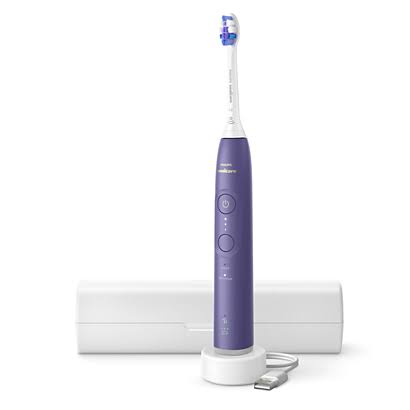
Introduction
The Philips 6100 Series Sonicare Toothbrush is a premium rechargeable sonic electric toothbrush designed for users who want a gentler clean without sacrificing plaque removal performance. Built around Philips Sonicare’s next-generation sonic technology, this model delivers up to 62,000 brush movements per minute, helping clean along the gumline and between teeth with dynamic fluid action. It is especially appealing for people with sensitive teeth, braces, or gums that react to firmer brushing, thanks to its dedicated Sensitive mode and adjustable intensity levels.
This toothbrush stands out for combining ease of use with advanced brushing support. Key features typically include a pressure sensor, brush head replacement reminders, a long-lasting lithium-ion battery, and a travel-friendly design. The included brush heads vary by package, but common combinations include all-in-one, sensitive, and whitening-focused heads, making it a versatile choice for daily oral care. For users upgrading from a basic electric toothbrush, the Philips 6100 Series offers a clear step up in comfort, control, and cleaning consistency.
The Philips 6100 Series Sonicare Toothbrush usually targets adults seeking a mid-to-premium oral hygiene solution for home and travel use. It is commonly priced in the approximate range of $90 to $170 depending on region, retailer, and included accessories. Availability is generally strong through Philips, major electronics retailers, and online marketplaces.
Specifications
Below are the key technical specifications and capabilities commonly associated with the Philips 6100 Series Sonicare Toothbrush:
- Brush movement speed: Up to 62,000 bristle movements per minute for effective sonic cleaning.
- Cleaning modes: Sensitive and Clean modes, with some configurations offering multiple intensity settings.
- Intensity levels: Up to 3 adjustable levels for a more personalized brushing experience.
- Battery type: Rechargeable lithium-ion battery.
- Battery life: Up to 21 days per full charge under typical use.
- Voltage support: 100 to 240 V for international compatibility.
- Pressure sensor: Built-in feedback helps reduce overbrushing by warning when pressure is too high.
- BrushSync support: Reminds users when it is time to replace the brush head.
- Charging: USB-A charging support; adapter may not be included in some packages.
- Warranty: 2-year limited warranty in many markets.
Compared with entry-level sonic toothbrushes, the Philips 6100 Series offers stronger customization and better pressure control. Against higher-end models like the DiamondClean series, it is usually simpler and more affordable while still delivering strong cleaning performance. This makes it a practical balance between premium features and everyday value.
Pros and Cons
Pros
- Gentle yet effective cleaning: The Sensitive mode and soft brush heads make it a strong choice for users with sensitive gums or teeth.
- Useful pressure sensor: Helps prevent aggressive brushing, which is especially valuable for people with receding gums or enamel wear concerns.
- Long battery life: A full charge can last for weeks, making it convenient for travel and busy routines.
- Good accessory selection: Many bundles include multiple brush heads for cleaning, whitening, and sensitive care.
- Strong value for money: It delivers many premium Sonicare features without the higher cost of flagship models.
Cons
- Charging accessory limitations: Some packages do not include a wall adapter, which can be inconvenient.
- Fewer modes than premium alternatives: Users wanting deep customization may prefer more advanced Philips models.
- Replacement heads add ongoing cost: Like most sonic toothbrushes, long-term ownership requires periodic brush head purchases.
- Not the cheapest option: It costs more than basic battery-powered or entry-level electric toothbrushes.
Overall, the Philips 6100 Series Sonicare Toothbrush is best for users who want dependable sonic cleaning, sensitive-gum support, and a polished brushing experience without moving into ultra-premium pricing. It compares favorably with similar mid-range models by offering better feedback and battery performance.
Customer Reviews
Typical customer feedback for the Philips 6100 Series Sonicare Toothbrush is strongly positive, with many users praising the comfortable brushing feel, quiet operation, and noticeable improvement in plaque control. A common rating trend is around 4.5 out of 5 stars, especially among buyers who switch from manual brushes or older electric models.
Frequent praise includes the gentle cleaning action, the pressure warning light, and the convenience of the long battery life. Many users also like the included travel case and the variety of brush heads in certain bundles. Common complaints focus on the missing charging adapter in some boxes and the higher cost of replacement heads. One recurring comment is that the toothbrush feels “gentler than expected, but still leaves teeth very clean,” which reflects its overall balance of comfort and performance.
For most buyers, this model is an easy recommendation if the goal is a reliable sonic toothbrush for daily use, especially for sensitive teeth and gums. It is a stronger purchase choice than budget models and a more affordable alternative to premium flagship Sonicare brushes.
Final Verdict
The Philips 6100 Series Sonicare Toothbrush delivers a well-rounded mix of comfort, modern features, and dependable cleaning performance. It is a smart option for users who want a premium-feeling toothbrush with sensitive-care support, brush head guidance, and long battery life. If you want a mid-range sonic electric toothbrush that balances value, usability, and oral care performance, this model is an excellent choice.
Faqs
How do I set up the Philips 6100 Series Sonicare Toothbrush for the first time?
Why is my Philips 6100 Series Sonicare Toothbrush not turning on after charging?
Which brush heads are compatible with the Philips 6100 Series Sonicare Toothbrush?
How do I switch cleaning modes on the Philips 6100 Series Sonicare Toothbrush?
What should I do if the Philips 6100 Series Sonicare Toothbrush feels too strong or uncomfortable?
How can I get better plaque removal from the Philips 6100 Series Sonicare Toothbrush?
How often should I replace the brush head on a Philips 6100 Series Sonicare Toothbrush?
How do I clean and maintain the Philips 6100 Series Sonicare Toothbrush handle and charger?
More philips manuals
Leave a Comment